





By Boluwatife Oshadiya | March 11, 2026
Key Points
- Iranian drones struck near Dubai International Airport, injuring four people as Gulf states intercepted multiple aerial attacks
- Commercial ships were hit near the Strait of Hormuz, disrupting maritime traffic in a route carrying roughly one-fifth of global oil supply
- Escalating conflict between Iran and US-aligned forces is intensifying risks to global energy markets
Main Story
Iran widened its military campaign across the Gulf on Wednesday as drones fell near Dubai International Airport and commercial vessels were struck near the Strait of Hormuz, raising fresh concerns about global energy security and shipping routes.
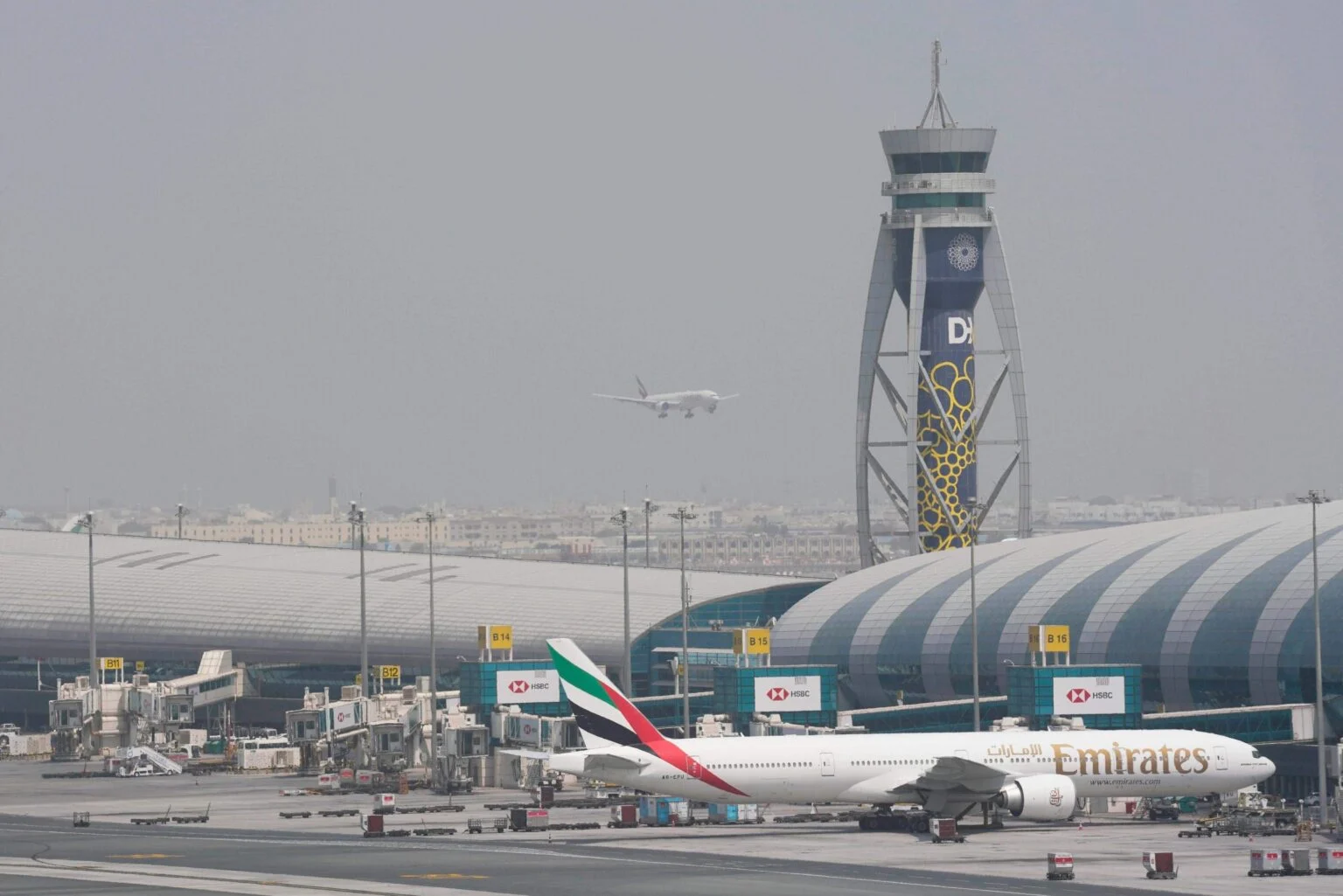
Authorities in the United Arab Emirates confirmed that debris from intercepted drones landed close to Dubai’s main airport, injuring four people. The incident occurred amid a wave of Iranian missile and drone strikes targeting infrastructure across Gulf states in retaliation for ongoing US-Israeli military operations against Tehran.
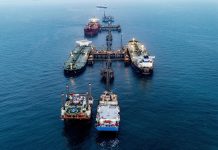
Regional maritime authorities also reported attacks on commercial shipping lanes. The United Kingdom Maritime Trade Operations (UKMTO) said a container ship and a bulk carrier were struck by projectiles off the UAE coast — one near Dubai and another near Ras Al Khaimah. A third vessel was reportedly hit in the Strait of Hormuz off Oman, sparking a fire that was later extinguished.
The Strait of Hormuz remains one of the world’s most strategically sensitive maritime chokepoints. Nearly 20 percent of global oil and liquefied natural gas shipments pass through the narrow waterway connecting the Persian Gulf to international markets.
The latest incidents come as the Middle East conflict enters its second week, with Iran targeting regional energy infrastructure and shipping routes in an attempt to pressure global markets. Energy analysts say the disruption has already triggered volatility in crude oil prices and shipping insurance premiums.
Recent military developments have further intensified the crisis. The United States has reportedly destroyed Iranian naval vessels suspected of laying mines in the Strait of Hormuz, part of a broader effort to keep the shipping corridor open.
Saudi Arabia also said it intercepted multiple ballistic missiles and drones targeting the Shaybah oil field and the Prince Sultan Air Base in its eastern region, underscoring the widening regional security risks.
Meanwhile, major energy installations in the Gulf have come under repeated attack in recent days, including Saudi Arabia’s Ras Tanura refinery and the UAE’s Ruwais complex — two of the region’s largest refining facilities.
What’s Being Said
“Iran has launched dozens of missiles and drones targeting key sites in the region, but the majority have been successfully intercepted,” the UAE Ministry of Defence said in a statement.
“The Strait of Hormuz is a vital artery for global energy markets, and any disruption poses serious risks to supply stability,” the International Energy Agency said during an emergency meeting of G7 energy ministers in Paris.
“Markets are extremely sensitive to developments in Hormuz. Even temporary disruption could send oil prices sharply higher,” said Helima Croft, global head of commodity strategy at RBC Capital Markets.
What’s Next
- Gulf states are expected to increase air-defence deployments around major energy infrastructure and airports in the coming days.
- The International Energy Agency is considering the release of emergency oil reserves if supply disruptions escalate.
- Global shipping companies are reviewing insurance coverage and rerouting strategies as tensions in the Strait of Hormuz intensify.