Key Points
- An investment deal worth $1 billion over three years has been signed between the Ministry of Steel Development and the Indian firm Rashmi Metaliks Group.
- Economic expert Dr. Emmanuel Eche warns that infrastructural bottlenecks, specifically epileptic power supply and poor rail links, could hinder the deal’s success.
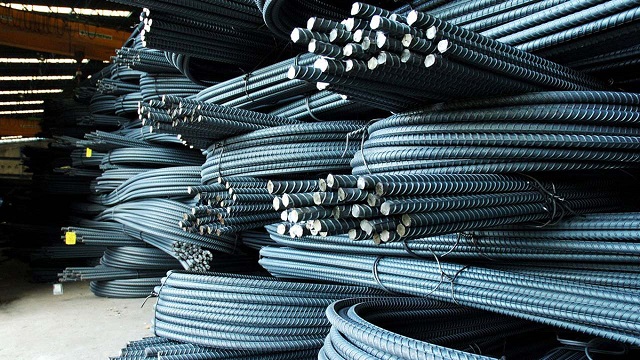
- Nigeria’s annual steel demand is valued at $10 billion, much of which is currently met through imports.
- The expert advocates for “Direct Reduced Iron” (DRI) and gas-based plants over coal to ensure environmental sustainability.
- Successful implementation could position Nigeria to achieve its goal of 10 million tonnes of crude steel output annually by 2030.
Main Story
The Nigerian government’s recent Memorandum of Understanding with the Rashmi Metaliks Group faces potential implementation challenges rooted in the country’s long-standing infrastructural deficits.
Dr. Emmanuel Eche, a Senior Lecturer at the Federal University, Wukari, told the News Agency of Nigeria that while the $1 billion investment is a positive step toward industrialization, the energy-intensive nature of steel production requires a more reliable power and gas supply than currently exists.
He noted that without dedicated gas pipelines, captive power plants, and functional rail links to iron ore sites, the high capital expenditure may fail to produce competitive steel products.
The expert further emphasized the need for transparency, urging the government to convert the MoU into a detailed investment agreement featuring clear timelines and public accountability standards.
Beyond logistics, Dr. Eche raised concerns regarding environmental impacts, suggesting that Nigeria should “leapfrog” to modern gas-based plants rather than traditional, high-pollution coal methods to protect host communities.
Despite these warnings, he acknowledged the immense potential of the deal to transform Nigeria from a raw mineral exporter into a value-adding economy, leveraging the nation’s three billion tonnes of iron ore to reduce the massive $10 billion annual import bill and create thousands of jobs across the construction and automotive sectors.
The Issues
- The steel industry’s heavy reliance on power makes it highly vulnerable to Nigeria’s unstable electricity grid and gas supply.
- Poor rail infrastructure and port congestion remain significant barriers that could sharply increase the cost of production and distribution.
- Integrated steel plants pose risks of wastewater, dust, and carbon dioxide pollution if environmental standards are not strictly enforced.
- There is a risk that tax holidays or exclusive agreements for the Indian firm could create an uneven playing field for existing local steel players.
What’s Being Said
“Fast-track dedicated gas supply, captive power and rail links to iron ore sites and ports. Without this, one billion dollars capex won’t translate into competitive steel.” — Dr. Emmanuel Eche, Economic Expert
“Nigeria should leapfrog to Direct Reduced Iron (DRI) and gas-based plants, not coal.” — Dr. Emmanuel Eche, Economic Expert
“The deal targets job creation across the steel value chain. Steel is labour-intensive, so Direct Reduced Iron, pig iron, billets and ductile pipe lines will employ engineers, technicians, and support staff.” — Dr. Emmanuel Eche, Economic Expert
What’s Next
- Government officials are expected to work on transitioning the preliminary MoU into a formal, binding investment agreement with specific performance indicators.
- The administration must prioritize the development of dedicated energy and transport links to support the upcoming Indian-led steel plants.
- Environmental regulators will need to establish and enforce strict ESG (Environmental, Social, and Governance) standards for the new facilities.
- Local engineers and technicians are anticipated to undergo training as part of the deal’s job creation and technology transfer objectives.
Bottom Line
Infrastructural Necessity. While the $1 billion Indian investment offers a path to slashing Nigeria’s $10 billion steel import bill, its ultimate success depends on the government’s ability to fix power and rail bottlenecks while ensuring environmental and fiscal transparency.