








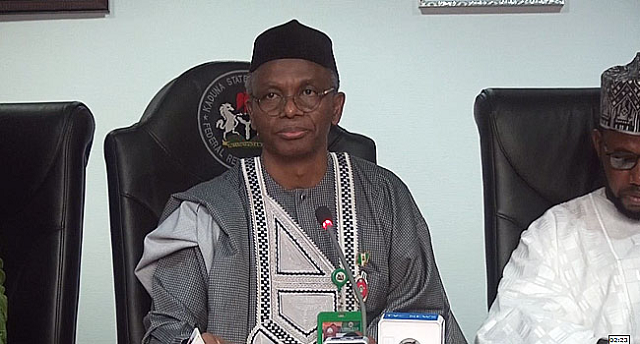
The Independent Corrupt Practices and Other Related Offences Commission (ICPC) has detained former Kaduna State Governor, Malam Nasir El-Rufai, in connection with ongoing corruption investigations, shortly after his release from the custody of the Economic and Financial Crimes Commission (EFCC).
The ICPC confirmed late Wednesday that El-Rufai was taken into custody for questioning over allegations linked to his tenure as governor. In a statement issued by the commission’s spokesperson, John Odey, the agency confirmed that the former governor was in its custody as of the close of business on Wednesday, February 18, 2026.
“Malam Nasiru El-Rufai is in the custody of the commission in connection with investigations,” Odey stated, adding that the commission was conducting further inquiries into allegations under review.
Transfer of Custody After EFCC Bail
The development came hours after the EFCC granted El-Rufai bail following two nights in its custody. According to sources familiar with the matter, the former governor was released late Wednesday night after meeting the bail conditions imposed by the anti-graft agency.
El-Rufai had been in EFCC custody since Monday after honouring an invitation to respond to allegations of corruption related to his administration in Kaduna State. Shortly after his release, the ICPC moved to take him into custody as part of a separate but related line of investigation.
Expanding Anti-Corruption Scrutiny
The sequence of events underscores intensified anti-corruption scrutiny surrounding high-profile public officials. While the specifics of the allegations have not been fully disclosed, both agencies have indicated that investigations are ongoing.
The ICPC and EFCC operate as independent anti-corruption bodies with overlapping but distinct mandates under Nigerian law, often pursuing separate inquiries where matters involve procurement processes, financial mismanagement, or abuse of office.
Legal observers note that the former governor’s detention by a second agency after release on bail signals the seriousness of the investigations and suggests coordinated but independent prosecutorial strategies.
As of press time, there has been no formal charge filed in court against El-Rufai. The commissions have maintained that investigations remain active and that due process will be followed. The unfolding situation is expected to generate significant political and legal debate in the coming days as further details emerge.







 has detained former Kaduna State Governor, Malam Nasir El-Rufai, in connection with ongoing corruption investigations, shortly after his release from the custody of the Economic and Financial Crimes Commission (EFCC).)