







Key points
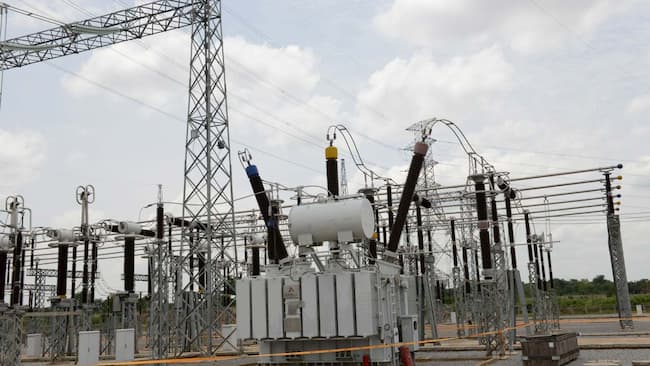
- The Federal Government has launched the Health Power Initiative to improve electricity supply across healthcare facilities nationwide.
- The initiative aims to enhance healthcare delivery, patient safety and the operation of critical medical equipment.
- Stakeholders also called for tax incentives and increased investment to strengthen intensive care services in Nigeria.
Main Story
The Federal Government has reaffirmed its commitment to addressing the persistent electricity challenges affecting healthcare delivery across Nigeria by unveiling the Health Power Initiative, a programme designed to improve power supply in hospitals nationwide.
The Minister of State for Health and Social Welfare, Dr Iziaq-Adekunle Salako, announced the initiative on Thursday in Abuja during the 11th Scientific Conference and Annual General Meeting of the Intensive and Critical Care Society of Nigeria (I-CCSN).
The conference, supported by the World Federation of Intensive and Critical Care, focused on strengthening intensive care services under the theme, “Sustainable Financing for Intensive Care Units in Public Health Facilities.”
Speaking at the event, Salako said the initiative was part of the Federal Government’s broader efforts to strengthen Nigeria’s healthcare system by ensuring reliable electricity for health facilities.
According to the minister, improved power supply would enhance healthcare service delivery, increase patient safety and ensure the efficient operation of critical medical equipment, particularly in intensive care units and emergency departments.
Salako also highlighted other recent government interventions aimed at improving emergency healthcare services, including the deployment of 145 tricycle ambulances, six boat ambulances, and additional emergency response equipment under the National Emergency Medical Service.
He said the interventions represent significant progress in improving maternal and emergency healthcare, adding that sustained investment and expanded training opportunities remain essential for building a resilient healthcare system.
The conference also featured discussions on improving intensive care through sustainable financing, better data management, effective sepsis treatment and mechanical ventilation in low-resource settings.
Chairman of the conference and Chief Medical Director of Zenith Medical and Kidney Centre, Abuja, Dr Olalekan Olatise, called on the Federal Government to introduce tax waivers for investors in Nigeria’s healthcare sector.
He said such incentives would encourage greater private sector participation and accelerate investments in healthcare infrastructure.
Olatise also stressed the need to resolve electricity challenges affecting hospitals, noting that unreliable power supply continues to undermine the delivery of quality healthcare services.
He observed that intensive care equipment remains expensive and many hospitals struggle to procure essential consumables required for critical care.
According to him, Zenith Medical and Kidney Centre is currently establishing a 10-bed Intensive Care Unit (ICU) as part of efforts to expand access to specialised healthcare services.
He further acknowledged improvements in access to foreign exchange for healthcare investments, attributing the progress to ongoing efforts by the Federal Ministry of Health.
The Issues
The conference highlighted several challenges confronting Nigeria’s healthcare system:
Inadequate electricity supply affecting hospital operations and patient care.
High cost of intensive care equipment and medical consumables.
Limited funding for critical care services in public health facilities.
Need for greater private sector participation through investment incentives.
Expansion of emergency medical services and specialised healthcare infrastructure.
What’s Being Said
Dr Iziaq-Adekunle Salako, Minister of State for Health and Social Welfare
The Federal Government has introduced the Health Power Initiative to improve electricity supply across healthcare facilities.
The programme is expected to enhance patient safety, improve healthcare delivery and ensure the effective operation of critical medical equipment.
Government has also deployed 145 tricycle ambulances, six boat ambulances, and additional emergency response equipment to strengthen the National Emergency Medical Service.
Dr Olalekan Olatise, Chief Medical Director, Zenith Medical and Kidney Centre
Called for tax waivers to encourage greater private sector investment in healthcare.
Said inadequate electricity continues to undermine healthcare delivery.
Noted that intensive care equipment remains expensive and many hospitals lack essential consumables.
Confirmed that Zenith Medical and Kidney Centre is establishing a 10-bed Intensive Care Unit to expand critical care services.
What’s Next
The Federal Government is expected to begin implementing the Health Power Initiative across public health facilities to improve electricity reliability and healthcare service delivery.
Stakeholders also anticipate further policy measures to strengthen intensive care services through sustainable financing, increased investment, improved emergency response infrastructure and stronger collaboration between government and the private sector.
Bottom Line
The launch of the Health Power Initiative reflects the Federal Government’s efforts to tackle one of the biggest operational challenges facing Nigeria’s health sector—unreliable electricity. Combined with increased emergency medical investments and calls for stronger private sector participation, the initiative is expected to improve healthcare delivery and strengthen critical care services nationwide.