





Key points
- Federal Government says Nigeria is committed to becoming a global leader in extractive sector transparency.
- NEITI is preparing for the 2026 EITI Validation Exercise, which began on July 1.
- Government says transparency should deliver stronger institutions, investor confidence and sustainable development.
- NEITI says the focus is shifting from publishing reports to achieving measurable governance impact.
Main story
The Federal Government has reaffirmed its commitment to positioning Nigeria as a global leader in extractive sector transparency through sustained reforms, accountability and effective implementation of the Extractive Industries Transparency Initiative (EITI).
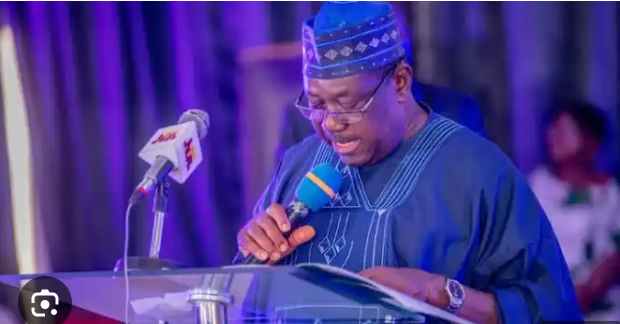
Secretary to the Government of the Federation (SGF), Sen. George Akume, stated this on Monday in Abuja at the opening of a joint retreat of the National Stakeholders’ Working Group (NSWG) and the Nigeria Extractive Industries Transparency Initiative (NEITI) Senior Management Team.
The three-day retreat, themed “Strengthening EITI Implementation: From Extractive Sector Reporting to Impact,” is being held ahead of Nigeria’s 2026 EITI Validation Exercise.
Akume, who also chairs the NSWG, said the validation process, which commenced on July 1, provides Nigeria with an opportunity to assess its progress, address outstanding corrective actions and strengthen governance across the extractive sector.
He said the country’s success should not be measured by the number of reports produced but by how transparency improves governance and public trust.
“The real measure of success is the extent to which transparency strengthens our institutions, builds investor confidence and restores public trust in how we manage our resources and supports sustainable national development for the benefit of the citizens,” he said.
According to him, the 2023 EITI Standard places greater emphasis on systematic disclosures, beneficial ownership, contract transparency, state-owned enterprises, anti-corruption measures, environmental reporting, energy transition and stakeholder participation.
Akume said these priorities align with the Federal Government’s ongoing reform agenda and reaffirmed its commitment to implementing them effectively.
He added that President Bola Tinubu remained committed to providing the leadership needed to ensure a successful validation exercise.
The SGF also commended NEITI for submitting the required documentation to the EITI Secretariat and engaging stakeholders ahead of the visit of the international validation team.
He urged members of the NSWG and NEITI management to deepen collaboration, review progress and develop innovative ideas that would strengthen Nigeria’s leadership in extractive sector governance.
Earlier, NEITI Executive Secretary, Musa Adar, described the retreat as taking place at a defining moment in Nigeria’s implementation of the EITI.
He said that while NEITI had spent more than two decades improving transparency through independent industry reports, the emphasis had now shifted from reporting to delivering measurable outcomes.
According to him, the global EITI framework now focuses on how disclosures influence public policy, strengthen institutions, improve revenue governance and enhance accountability.
Adar said recent engagements with government institutions, extractive companies, civil society organisations and the media had shown strong commitment to the validation process, although greater coordination and implementation of recommendations remained necessary.
He urged participants to use the retreat to assess the impact of NEITI’s work beyond report publication, strengthen collaboration and develop practical strategies for implementing audit recommendations and corrective actions.
He also called for innovative approaches to improve data accessibility, policy engagement and institutional effectiveness, stressing that transparency must ultimately translate into stronger governance, better resource management and sustainable development.
The issues
Nigeria has consistently ranked among Africa’s leading countries in EITI implementation, but the 2026 validation will test whether transparency reforms have translated into tangible improvements in governance, revenue management and public accountability. Meeting the updated EITI standards will also be important for maintaining investor confidence in Nigeria’s extractive industries.
What’s being said
“The real measure of success is the extent to which transparency strengthens our institutions, builds investor confidence and restores public trust in how we manage our resources.” — Sen. George Akume, Secretary to the Government of the Federation.
What’s next
The ongoing retreat is expected to produce strategies for addressing outstanding validation requirements before the visit of the EITI International Validation Team as Nigeria prepares for its 2026 assessment.
Bottom line
As Nigeria prepares for its next EITI validation, the government is seeking to move beyond transparency reporting toward measurable governance reforms that strengthen accountability, attract investment and improve the management of the country’s extractive resources.