









By Boluwatife Oshadiya | July 5, 2026
Key Points
- Federal Government denies claims that more than ₦8 trillion was spent outside the approved 2026 budget
- Finance Ministry says all federal expenditures are backed by constitutional and legislative approvals
- Government attributes the controversy to misinterpretation of the IMF’s 2026 Article IV Consultation Report
Main Story
The Federal Government has dismissed claims that it spent more than ₦8 trillion—about two percent of Nigeria’s Gross Domestic Product (GDP)—outside the approved 2026 budget, describing the allegation as false and a misrepresentation of the International Monetary Fund (IMF)’s recent fiscal assessment.

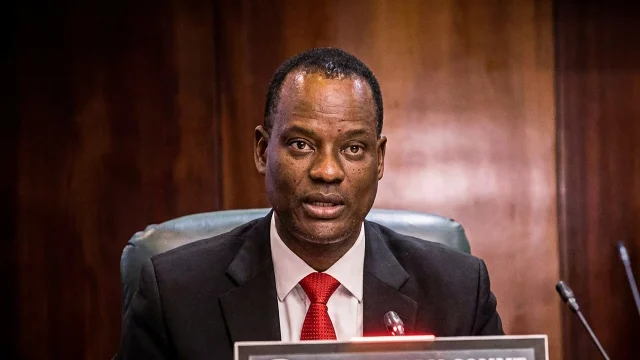
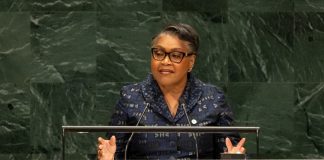
In a statement issued on Sunday, Minister of Finance and Coordinating Minister of the Economy, Taiwo Oyedele, said the Federal Government does not operate a “shadow budget” and that every expenditure is made within the constitutional and legal framework governing Nigeria’s public finances.
The clarification follows public commentary referencing the IMF’s 2026 Article IV Consultation Report, which some interpreted as suggesting that trillions of naira had been spent without legislative approval.
According to the Ministry, Sections 80–83 and 162 of the 1999 Constitution require all federal spending to be authorised through Appropriation Acts, Supplementary Appropriation Acts, or other statutory instruments approved by the National Assembly.
The statement explained that several categories of expenditure—including statutory transfers, debt service obligations, intervention funds, capital rollovers, and allocations to development commissions—are established under existing laws and may appear differently under international fiscal reporting standards without implying unlawful spending.
“The Federal Government does not operate a ‘shadow budget’ or expend public funds outside the constitutional and statutory framework established for public finance,” Oyedele said.
He added that differences between budget presentation and international reporting standards should not be interpreted as evidence of illegal expenditure, noting that the IMF’s observations relate primarily to the comprehensiveness and presentation of fiscal reporting rather than the legality of government spending.
The Finance Minister also recalled that President Bola Ahmed Tinubu had already urged the National Assembly during the presentation of the 2026 Appropriation Bill to harmonise Nigeria’s multiple budget structures into a single, more transparent fiscal framework.
What’s Being Said
Finance Minister Taiwo Oyedele maintained that the reported figures have been taken out of context.
“It is inaccurate to suggest that trillions of naira have been secretly spent outside legislative approval. Such allegations should identify specific projects executed without appropriation and present credible evidence,” he said.
The Ministry further noted that recent public financial management reforms—including treasury digitalisation, improved budget credibility, revenue administration reforms and enhanced fiscal transparency—have been acknowledged by the IMF, international investors and global credit rating agencies.
What’s Next
- The Federal Government says it will continue implementing reforms aimed at aligning Nigeria’s budget presentation with international fiscal reporting standards.
- Discussions around harmonising multiple government budget frameworks are expected to continue between the Executive and the National Assembly following President Tinubu’s earlier proposal.
- Analysts are expected to closely review the IMF’s 2026 Article IV Consultation findings as debate continues over Nigeria’s fiscal reporting framework.
The Bottom Line: The government’s response seeks to draw a clear distinction between fiscal reporting classifications and the legal authority for public spending. While the controversy has intensified public scrutiny of Nigeria’s public finances, it also highlights the growing importance of transparent fiscal communication as the country pursues broader public financial management reforms.




..,)