









By Boluwatife Oshadiya | June 11, 2026
Key Points
- Solar-powered charging is emerging as the most reliable solution for EV owners facing Nigeria’s unstable electricity supply
- High temperatures, dust, flooding, and poor road conditions remain the biggest maintenance challenges for electric vehicles in Nigeria
- Industry stakeholders and government-backed initiatives are expanding EV infrastructure, including solar-powered charging stations
Main Story
Electric vehicle (EV) adoption in Nigeria is gradually increasing as consumers seek alternatives to rising fuel costs, but maintaining and charging these vehicles remains a unique challenge due to unreliable grid electricity, extreme weather conditions, and infrastructure limitations.
While EVs generally require less maintenance than conventional petrol-powered vehicles because they have fewer moving parts and do not require oil changes, Nigerian operating conditions demand special attention to battery management, charging practices, suspension systems, cooling components, and tire maintenance.
Industry experts increasingly recommend solar-powered charging systems as a long-term solution for EV owners. Nigeria’s abundant sunshine makes solar charging attractive, particularly as electricity consumers continue to face power outages, tariff increases, and voltage fluctuations.
For daily use, EV specialists recommend maintaining battery charge levels between 20% and 80% to reduce long-term battery degradation. Frequent use of high-speed DC charging stations should also be limited because fast charging generates additional heat that can shorten battery lifespan over time.
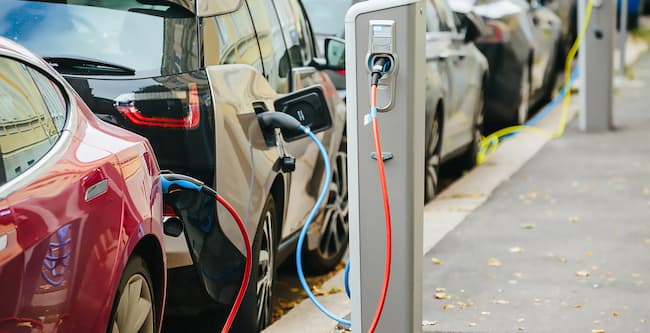
Home charging remains the most common option among Nigerian EV owners. Standard 220-volt charging provides a slow but accessible solution, while Level 2 charging systems offer significantly faster charging speeds but require professional installation and upgraded electrical infrastructure.
Solar charging systems, which combine solar panels, inverters, EV chargers, and optional battery storage, are becoming increasingly popular. Depending on system capacity, installation costs can range from approximately ₦2 million for basic hybrid systems to more than ₦30 million for large off-grid installations designed to support both household and vehicle energy needs.
The growing interest in solar-powered transportation aligns with ongoing efforts by Nigeria’s automotive sector and the National Automotive Design and Development Council (NADDC), which has supported pilot solar-powered EV charging stations as part of broader electric mobility initiatives.
“Solar energy offers a practical pathway for sustainable electric vehicle adoption in Nigeria because it addresses both energy reliability and operating cost concerns,” industry stakeholders have repeatedly noted during recent EV infrastructure discussions.
What’s Being Said
“Electric mobility represents a significant opportunity for Nigeria’s transport sector, but charging infrastructure remains critical to widespread adoption,” officials from the National Automotive Design and Development Council have stated during industry engagements on EV development.
Industry operators argue that solar-powered charging networks could accelerate EV adoption by reducing dependence on public electricity supply while lowering long-term operating expenses for vehicle owners.
Independent mobility analysts also note that Nigeria’s climate presents both advantages and challenges for EV users. While abundant sunshine supports solar generation, high temperatures can affect battery efficiency and require careful thermal management practices.
What’s Next
- More private-sector investment is expected in EV charging infrastructure across major Nigerian cities, particularly Lagos and Abuja
- Automotive companies and mobility startups are likely to expand partnerships focused on solar-powered charging solutions
- Government agencies are expected to continue developing policies aimed at supporting electric vehicle adoption and local EV ecosystem growth
Bottom Line
Nigeria’s EV market remains in its early stages, but solar-powered charging is rapidly emerging as the most practical solution to the country’s electricity challenges. For prospective EV owners, success will depend not only on choosing the right vehicle but also on investing in reliable charging infrastructure and adopting maintenance practices suited to Nigeria’s demanding climate conditions.





 adoption in Nigeria is gradually increasing as consumers seek alternatives to rising fuel costs, but maintaining and...)