









Key Points
- SDP candidate proposes expanding Nigeria’s electricity generation to 75,000MW.
- Plan combines gas, solar, hydro and decentralised generation.
- He says local manufacturing and reliable power are critical to industrialisation.
Main Story
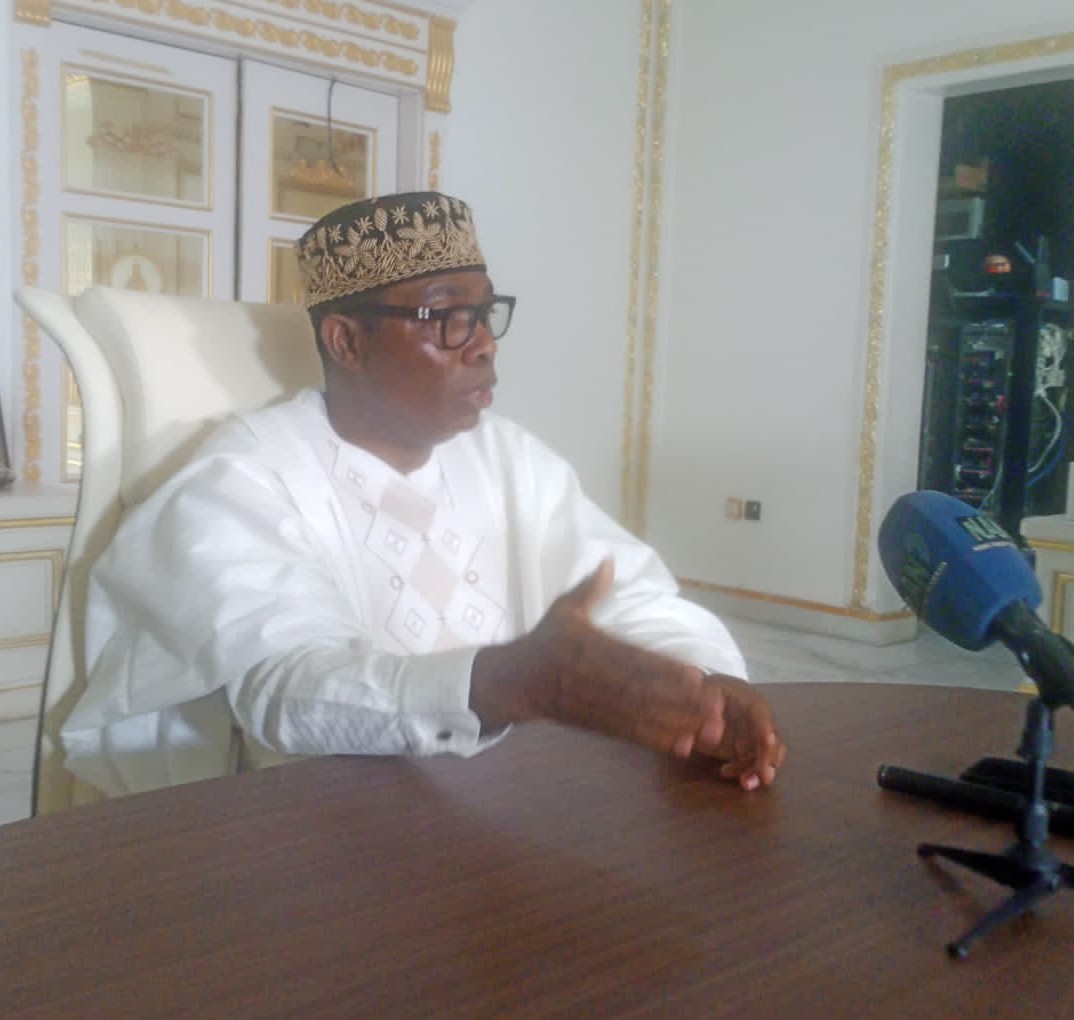
The Social Democratic Party (SDP) presidential candidate, Prince Adewole Adebayo, has proposed raising Nigeria’s electricity generation capacity to 75,000 megawatts (MW) through a combination of gas, renewable energy, rehabilitated hydropower facilities and decentralised generation.
Adebayo made the proposal while featuring on the Personality Interview Series of the News Agency of Nigeria (NAN) on Sunday in Abuja.
He said Nigeria needed to move beyond existing generation targets and develop an electricity system capable of supporting large-scale industrialisation.
“For now, any presidential candidate who is not giving you a plan for 50,000 megawatts is behind the time. Nigeria has passed the age where we need 10,000 megawatts or 20,000 megawatts,” he said.
Adebayo said his proposed energy strategy would deliberately diversify electricity generation rather than depend on a single source.
He identified gas as a major advantage for Nigeria and said it should be deployed alongside solar and other renewable sources to increase electricity supply.
The SDP candidate also proposed expanding decentralised generation through mini-grids and embedded power systems, particularly in communities and economic clusters that are poorly served by the national grid.
He said electricity generation should not be concentrated solely within the existing grid structure, arguing that smaller generation systems could complement the national network and bring power closer to consumers.
“A lot of it will be green, like solar; a lot of it will be gas, because we have a bonus of gas,” he said.
Adebayo said rehabilitating existing hydroelectric facilities would form another part of the plan, allowing Nigeria to recover generation capacity from infrastructure already in place.
He said the approach would combine the utilisation of existing energy assets with investment in new generation capacity.
Beyond generation, Adebayo identified local manufacturing as a key component of his proposed power-sector strategy.
He said Nigeria should produce solar equipment and other energy components locally to reduce dependence on imports and create employment.
The presidential candidate also linked electricity policy directly to economic production, particularly manufacturing, agriculture and small businesses.
He said dependable electricity would help businesses reduce production costs by lowering their reliance on alternative power sources.
Adebayo said his administration, if elected, would treat electricity as an economic development issue rather than only a utility challenge.
He, however, said increasing generation alone would not resolve Nigeria’s electricity problems.
According to him, reforms would also be required across transmission, distribution, energy procurement and the electricity market to ensure that additional generation reaches consumers.
He said his administration would pursue a coordinated approach covering generation, transmission and distribution, with the objective of translating increased generation into reliable and affordable electricity.
Adebayo said Nigeria had sufficient energy resources to support a much larger electricity system but required deliberate planning to harness them effectively.
“We have a bonus of gas,” he said, stressing the need to combine the country’s gas resources with renewable energy and improved infrastructure.
He said the broader strategy would support increased productivity, job creation and improved living standards.
The Issues
Adebayo’s proposal goes beyond increasing generation capacity by combining a diversified energy mix with decentralised power systems and reforms across the electricity value chain.
His emphasis on mini-grids and embedded generation is aimed at complementing the national grid, particularly for communities and economic clusters with inadequate grid supply.
The plan also links energy policy to industrialisation, with local production of renewable energy equipment proposed as a way to reduce import dependence while creating jobs.
What’s Being Said
“For now, any presidential candidate who is not giving you a plan for 50,000 megawatts is behind the time. Nigeria has passed the age where we need 10,000 megawatts or 20,000 megawatts,” Adebayo said.
“A lot of it will be green, like solar; a lot of it will be gas, because we have a bonus of gas,” he said.
“We have a bonus of gas,” Adebayo said.
What’s Next
Adebayo said the proposed expansion would be accompanied by reforms covering generation, transmission, distribution and energy procurement if he is elected president.
His proposed strategy also includes rehabilitating existing hydroelectric facilities, expanding decentralised generation and promoting local manufacturing of renewable energy equipment.
Bottom Line
SDP presidential candidate Adewole Adebayo is proposing a 75,000MW electricity generation system built around gas, renewables, hydro and decentralised power. He says the expansion must be matched by electricity-market reforms and local manufacturing to support Nigeria’s industrialisation.



 presidential candidate, Prince Adewole Adebayo, has proposed raising Nigeria’s electricity ...)