Key points
- Abia State Government has inaugurated 20 additional electric buses as part of efforts to expand clean public transportation.
- Pi-CNG & EV, MOFI and REA pledged deeper collaboration with the state on clean energy and mobility.
- Officials linked energy, agriculture and transportation to job creation, lower transport costs and sustainable economic growth.
- Abia Government said the partnership would help attract investment and improve infrastructure.
Main story
Abia State has expanded its clean transportation programme with the addition of 20 electric buses, as the state steps up cooperation with Federal Government agencies on clean energy and mobility.
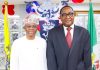
The new buses were inaugurated during a visit to the state by a delegation led by the Chief Executive Officer of the Ministry of Finance Incorporated (MOFI), Dr Armstrong Takang.
The visit brought together representatives of MOFI, the Presidential Initiative on Compressed Natural Gas and Electric Vehicles (Pi-CNG & EV), the Rural Electrification Agency (REA) and the Abia State Government to discuss opportunities for joint investment in clean energy infrastructure.
The latest deployment adds to efforts to reduce the cost and environmental impact of public transportation while expanding access to cleaner mobility options.
Pi-CNG & EV Executive Chairman, Ismaeel Ahmed, said the development of transportation could not be separated from broader investments in energy and agriculture because the three sectors collectively support economic activity.
He said an efficient transport system helps businesses move goods, connects people to opportunities and creates jobs, making affordable mobility an important part of economic development.
Ahmed said Pi-CNG & EV would work with Abia to increase the use of CNG and develop infrastructure capable of supporting a wider clean-mobility network.
He said the collaboration would involve government agencies, private-sector players and other stakeholders in developing the infrastructure required to make cleaner transportation more accessible and affordable.
Takang said the Federal Government’s development efforts should produce measurable benefits outside the nation’s capital, particularly in communities where infrastructure gaps remain significant.
He identified energy, agriculture and transportation as sectors that could reinforce one another when developed together, creating opportunities for employment, investment and improved livelihoods.
The MOFI chief called for closer cooperation between the Federal agencies and Abia State to ensure that national clean-energy programmes translate into practical projects across the South-East.
REA Managing Director Abba Aliyu was also part of the discussions, which focused on expanding reliable electricity access and developing infrastructure to support sustainable economic activity in Abia.
Governor Alex Otti welcomed the collaboration and said his administration was prepared to work with the Federal Government initiatives to expand clean-energy adoption and improve the state’s transport infrastructure.
He said stronger cooperation could also help position Abia to attract investment into emerging clean-energy and transportation opportunities.
The issues
Nigeria’s transport sector faces high operating costs, while unreliable electricity and limited clean-energy infrastructure continue to constrain economic activity. Expanding electric mobility and CNG adoption could reduce dependence on conventional fuels and lower transportation costs, but wider adoption will depend on adequate charging and refuelling infrastructure, reliable electricity and sustained investment.
What’s being said
“Energy, agriculture and transportation are interconnected sectors that must be developed in an integrated manner to unlock sustainable economic growth.” – Ismaeel Ahmed, Executive Chairman, Presidential Initiative on CNG and Electric Vehicles:
“Transportation fundamentally serves as an enabler of economic activity by facilitating the movement of people and goods, creating jobs, generating wealth and improving livelihoods.” – Ismaeel Ahmed, Executive Chairman, Presidential Initiative on CNG and Electric Vehicles:
“National development must extend beyond Abuja to deliver meaningful impact to communities across the country.” – Armstrong Takang, Chief Executive Officer, Ministry of Finance Incorporated:
“When effectively integrated, energy, agriculture and transportation will become powerful drivers of economic growth, job creation and improved livelihoods.” – Armstrong Takang, Chief Executive Officer, Ministry of Finance Incorporated:
What’s next
Pi-CNG & EV, MOFI, REA and the Abia State Government are expected to strengthen their partnerships around clean mobility, reliable energy access and infrastructure development, with the state seeking to expand electric bus deployment and attract further investment into the clean-energy ecosystem.
Bottom line
The inauguration of 20 additional electric buses and the renewed partnership between Abia and Federal clean-energy agencies signal a broader push to build cleaner transportation infrastructure while using energy and mobility investments to support economic growth.