








Key points
- Tourism stakeholders have called for stronger collaboration between the tourism and transportation sectors.
- They say improved connectivity is essential for sustainable tourism growth and economic development.
- Industry leaders urged implementation of recommendations from previous tourism transportation summits.
- Government and private sector stakeholders pledged greater collaboration to improve mobility and visitor experience.
Main story
Stakeholders in Nigeria’s tourism industry have called for closer collaboration between the tourism and transportation sectors, arguing that improved connectivity is critical to unlocking the country’s tourism potential and driving sustainable economic growth.
The call was made at the ninth National Tourism Transportation Summit and Expo in Abuja, where policymakers, tourism professionals and transport operators gathered to discuss strategies for strengthening the link between both sectors.
Speaking at the event, National President of the Institute of Tourism Professionals in Nigeria (ITPN), Abiodun Odusanwo, said the summit was designed to translate years of policy discussions into concrete action.
He noted that recommendations from the previous eight editions had provided clear roadmaps for industry development but had largely remained unimplemented, limiting their impact on the sector.
According to Odusanwo, this year’s summit places greater emphasis on implementing those recommendations while encouraging stronger collaboration among government agencies and private sector operators whose activities influence tourism and transportation.
Permanent Secretary of the Federal Ministry of Art, Culture, Tourism and the Creative Economy, AbdulKarim Ibrahim, described transportation as a critical pillar of tourism development, saying efficient, safe and accessible transport systems are essential to improving visitor experiences and connecting destinations across the country.
He reaffirmed the ministry’s commitment to working with transport operators, investors and professional bodies to develop policies that improve mobility, safety and tourism infrastructure.
President of the Federation of Tourism Associations of Nigeria (FTAN), Aliyu Badaki, said sustainable tourism growth depends on reliable transportation networks that facilitate travel, promote regional integration, attract investment and create employment opportunities.
Director-General of the Nigerian Tourism Development Authority (NTDA), Olayiwole Awakan, also said tourism could only thrive where transportation systems were efficient and accessible, describing the summit as an important platform for developing practical solutions to challenges affecting both sectors.
The issues
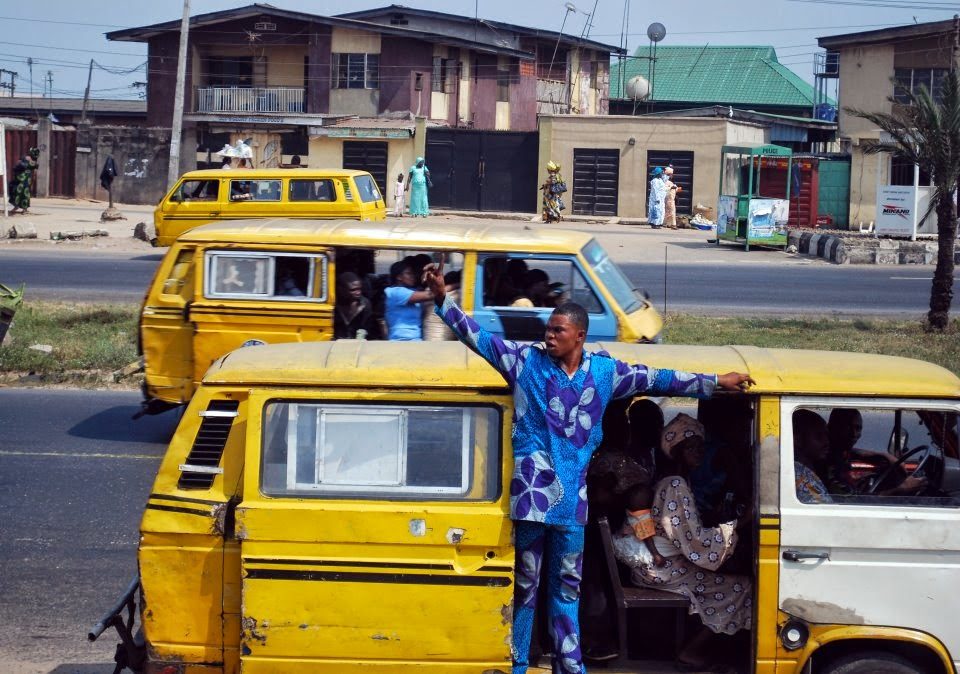
Nigeria’s tourism sector continues to face infrastructure and connectivity challenges that limit visitor movement and destination development. Industry stakeholders believe stronger coordination between transport providers, tourism operators and government agencies is essential to improving competitiveness and unlocking the sector’s economic potential.
What’s being said
“Tourism and transportation are inseparable partners in economic development. A thriving tourism industry depends on efficient, safe, accessible and sustainable transport systems.” — Aliyu Badaki, President, Federation of Tourism Associations of Nigeria.
Bottom line
Stakeholders believe Nigeria can significantly strengthen its tourism industry by improving transportation infrastructure and implementing long-standing policy recommendations that promote greater collaboration across both sectors.