






By Boluwatife Oshadiya
Key Points
- EFCC witness claims $6.23m fraud involving CBN funds
- Funds allegedly approved under false pretence for election observers
- Emefiele denies charges, pleads not guilty
- Court adjourns case to July 2
Main Story
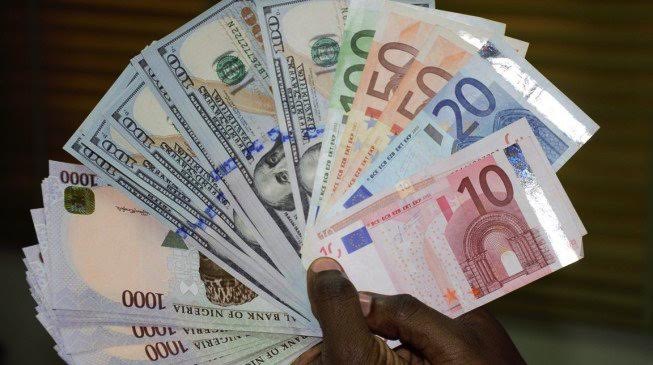
A prosecution witness in the ongoing trial of former Central Bank Governor, Godwin Emefiele, has alleged that $6.23 million was fraudulently withdrawn from the coffers of the Central Bank of Nigeria (CBN).
The witness, Chief Superintendent of Police Eloho Okpozikbo, made the disclosure before an Abuja High Court, stating that the funds were purportedly requested for international election observers during the 2023 general elections.
The Economic and Financial Crimes Commission (EFCC) has charged Emefiele with multiple offences, including criminal breach of trust, forgery, abuse of office and obtaining money by false pretence. The former CBN governor has pleaded not guilty.
According to the witness, investigations revealed that the Office of the Secretary to the Government of the Federation denied making any such request.
“The money was fraudulently taken because some of the suspects we interrogated confessed,” Okpozikbo told the court.
He added that a document presented as a presidential directive—allegedly issued by former President Muhammadu Buhari—was used to authorise the disbursement.
What’s Being Said
The prosecution, led by Director of Public Prosecutions Rotimi Oyedepo, argued that documentary evidence supports the claims, including internal memos and payment records from the Abuja branch of the CBN.
However, defence counsel Matthew Burkaa objected to the prosecution’s approach, accusing it of leading the witness and attempting to rely excessively on documents already before the court.
The presiding judge, Hamza Muazu, cautioned both parties to use judicial time efficiently and directed that proceedings focus on admissible evidence without unnecessary repetition.
What’s Next
The court adjourned the case until July 2 for continuation of hearing, as the EFCC seeks to establish its case against Emefiele amid heightened public interest in accountability within Nigeria’s financial system.