






Key points
- The Federal Government says it generated N15.8tn in additional resources from petrol subsidy removal and foreign exchange reforms between June 2023 and December 2025.
- The Federal Government’s incremental expenditure during the period stood at N30.64tn.
- Only N5.4tn, or 34 per cent of the N15.8tn subsidy savings, accrued to the Federal Government, while states received N6.5tn and local governments N3.9tn.
- Additional resources available to the Federal Government totalled N20.4tn, comprising subsidy savings, independent revenue and borrowing.
- Wage adjustments, external debt servicing and strategic infrastructure accounted for more than 82 per cent of incremental expenditure.
- The government said the reforms created fiscal space but did not produce idle cash because the resources were absorbed by rising obligations.
Main Story
Thirty months after President Bola Tinubu removed the petrol subsidy and introduced major economic reforms, the Federal Government says it generated N15.8tn in additional resources but spent N30.64tn on incremental government expenditure during the period.
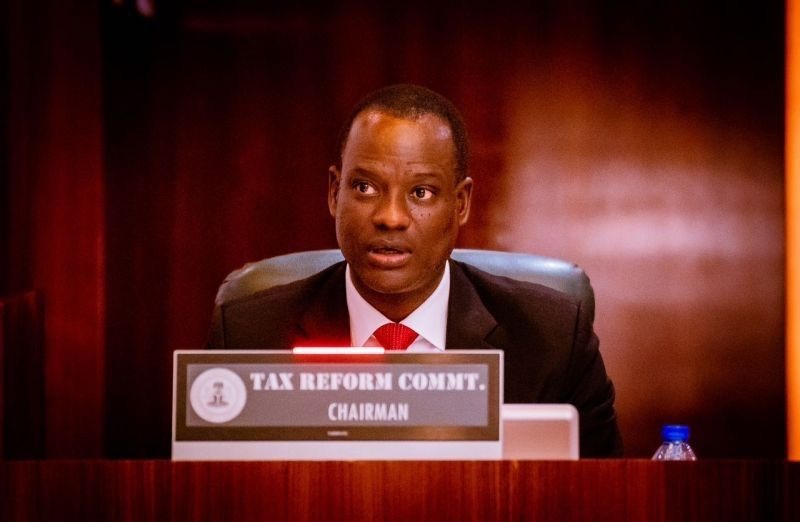
The figures were contained in the Federal Government’s Nigeria Reform Scorecard, titled “The Benefits, Costs and Harm Prevented,” released on Wednesday. Finance Minister and Coordinating Minister of the Economy, Taiwo Oyedele, said the N15.8tn in additional resources resulted from the combined effects of petrol subsidy removal and foreign exchange reforms between June 2023 and December 2025.
However, only N5.4tn, representing 34 per cent of the subsidy savings, accrued to the Federal Government. States received N6.5tn, while the 774 local government areas received N3.9tn under the Federation Account allocation formula.
The Issues
The figures provide the government’s latest explanation of what happened to the savings generated by the removal of petrol subsidy, amid persistent public concerns over the utilisation of the funds. The government said the N15.8tn was not held in a separate account labelled “subsidy savings”, but appeared through increased naira revenues accruing to the Federation as a result of the reforms.
Oyedele explained that the foreign exchange reforms also increased the naira value of dollar-denominated revenues collected by agencies such as Customs and the Nigeria Revenue Service. He added that the reforms eliminated an implicit exchange-rate subsidy which, according to the government, had benefited rent-seekers rather than ordinary Nigerians and manufacturers.
What’s Being Said
Oyedele said the Federal Government’s total incremental resources stood at N20.4tn, comprising N11.9tn in additional borrowing, N3.1tn in independent revenue and its N5.4tn share of the subsidy savings.
He said N9.39tn of the N30.64tn incremental expenditure went into wage adjustments, minimum wage increases and allowances for public servants, while N9.37tn was spent on additional external debt servicing resulting from naira depreciation. Another N6.47tn was allocated to strategic infrastructure development.
The Finance Minister said the government was providing an account of the reforms rather than declaring victory, acknowledging that the policies had imposed real costs on households and businesses, including higher prices and a sharp adjustment in the value of the naira.
What’s Next
The Federal Government said the reforms were intended to create greater fiscal capacity for investment in infrastructure, security, education, human capital and social interventions. It also said the policies prevented a deeper fiscal crisis and reduced reliance on monetary financing.
According to the scorecard, other incremental expenditure included N3.14tn in additional electricity subsidy costs, N1.24tn in increased domestic debt servicing, N423.8bn in social welfare transfers and N419.1bn for the Federal Capital Territory, Ecological Fund, Natural Resource Fund and other interventions.
Bottom Line
The government’s latest scorecard shows that while the subsidy and foreign exchange reforms generated N15.8tn in additional resources for the Federation, the Federal Government’s share was only N5.4tn. With incremental expenditure reaching N30.64tn, the administration says the reforms created fiscal space that was largely absorbed by wages, debt servicing, infrastructure and other rising government obligations.