








Key points
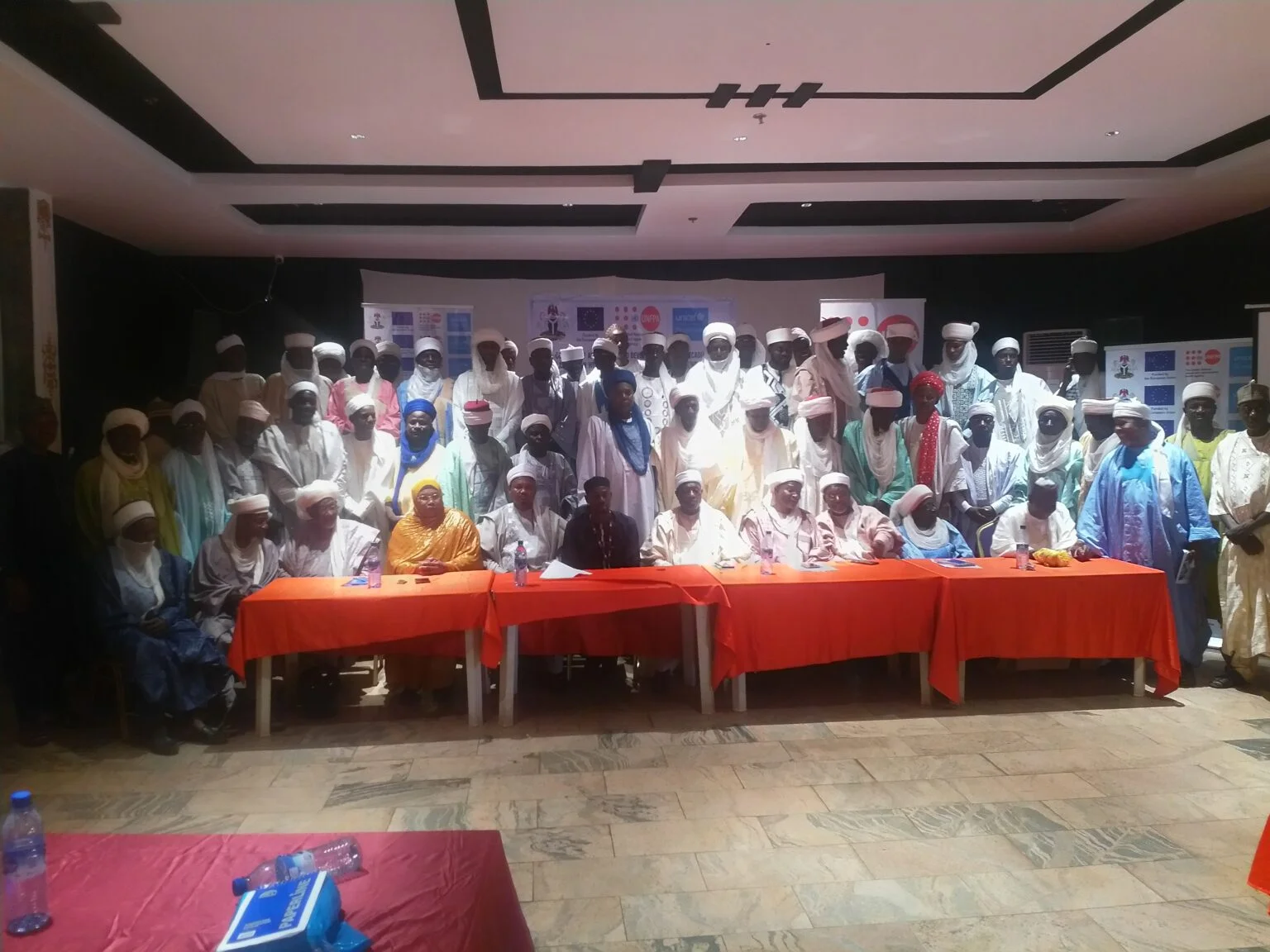
- CADI and UNFPA trained 87 district heads in Sokoto on tackling harmful social norms and improving access to sexual and reproductive health services.
- Traditional leaders were urged to use their influence to combat gender-based violence and promote behavioural change within communities.
- Stakeholders identified stigma, misinformation, gender inequality and limited services as major barriers to healthcare access.
Main story
The Community Awareness and Development Initiative (CADI), in partnership with the United Nations Population Fund (UNFPA), has trained 87 district heads across Sokoto State on addressing harmful social norms, gender-based violence (GBV), and improving access to sexual and reproductive health (SRH) services.
The training, held in Sokoto, brought together traditional leaders selected from various communities across the state as part of efforts to strengthen grassroots advocacy and community-based interventions on public health and social protection issues.
Speaking during the programme, Chairman of the CADI Board of Trustees and Sarkin Yakin Gagi, Alhaji Sani Umar-Jabbi, said the district heads were carefully chosen because of their influence and leadership roles within their communities.
According to him, the initiative was designed to dismantle harmful cultural and social practices that continue to restrict access to healthcare services, particularly those related to reproductive health and support for survivors of gender-based violence.
He stressed the need for participants to take the training seriously, noting that future participation in similar programmes would depend on their level of commitment and impact in promoting the campaign at the community level.
Experts at the training highlighted several challenges hindering access to SRH and GBV services, including stigma, misinformation, poverty, gender inequality, and inadequate healthcare facilities.
Dr Bello Kilgori, one of the facilitators, explained that cultural and religious misconceptions, as well as policy limitations, also contribute significantly to the low utilisation of critical health services.
Another resource person, Alhaji Musa Galadanci, underscored the strategic role of traditional and religious leaders in shaping public opinion and driving positive behavioural change.
“Their influence in shaping public opinion and behaviour cannot be overstated. They must take this responsibility seriously for the development of their communities,” he said.
Also speaking, Dr Jabbi Kilgori, District Head of Kilgori and member of the Sultanate Council, outlined practical strategies for monitoring service delivery, reporting gaps, and improving community responsiveness to health and protection services.
Representing UNFPA, Mr Benedit Essong described traditional and religious leaders as critical stakeholders in addressing gender-based violence and promoting reproductive health awareness.
He reaffirmed the organisation’s commitment to sustaining collaboration with CADI and the Sokoto State Government to improve public health outcomes and strengthen protection systems across communities.
The issues
Gender-based violence and limited access to sexual and reproductive health services remain major concerns in many parts of northern Nigeria, often worsened by harmful cultural norms, misinformation, and social stigma.
Stakeholders say traditional institutions remain vital in influencing public attitudes and promoting acceptance of healthcare interventions, particularly in rural and underserved communities.
What’s being said
CADI says the programme is aimed at empowering community leaders to become advocates for improved health access and social inclusion.
UNFPA, on its part, believes stronger engagement with traditional and religious leaders will help reduce stigma, improve awareness, and encourage greater utilisation of health and protection services.
Participants were also urged to champion community-level reforms capable of addressing harmful practices and promoting the wellbeing of women and vulnerable groups.
What’s next
Organisers said the trained district heads are expected to return to their communities and begin advocacy engagements aimed at improving awareness, reporting mechanisms, and access to SRH and GBV-related services.
CADI and UNFPA also indicated plans to sustain follow-up engagements and expand partnerships with local stakeholders to deepen community impact across Sokoto State.
Bottom line
The training reflects growing recognition of the critical role traditional leaders play in tackling gender-based violence and improving healthcare access, particularly in communities where cultural influence strongly shapes public behaviour and decision-making.









, in partnership with the United Nations Population Fund (UNFPA), has trained 87...)