





Key points
- The Enugu State Government signed grant agreements with four renewable energy developers to electrify four unserved rural communities.
- The integrated solar mini-grids will feature a minimum generation capacity of 200 kW peak in each target community.
- Funded by the EU and the German Government through GIZ-NESP, the grant covers 80% of total project costs.
- The selected developers will inject the remaining 20% to fund civil works, customer metering, and electricity service delivery.
- The rural electrification project is projected to provide 24-hour power supply to roughly 8,000 residents across the state.
Main Story
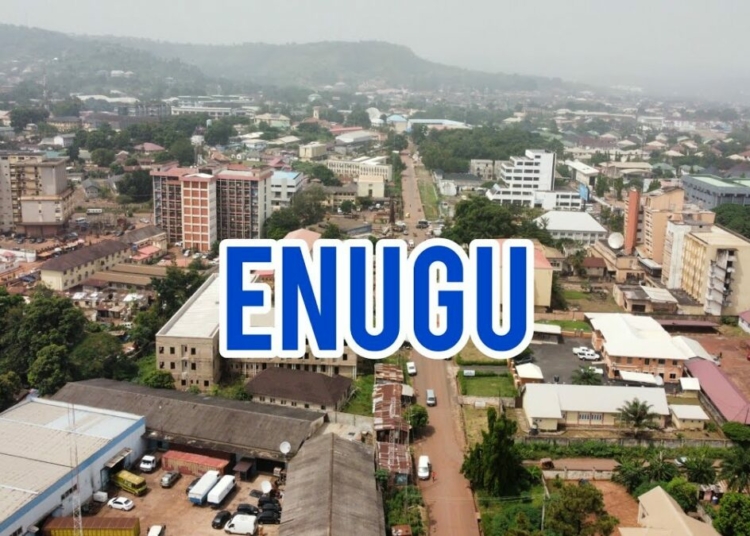
The Enugu State Government has signed formal grant agreements with four renewable energy developers to provide reliable electricity to four underserved rural communities across the state’s three senatorial districts.
The clean energy pacts were sealed during the Renewable Energy Development for State Electricity Market (REDSEM) Grant Agreement Signing Ceremony held in Enugu. The infrastructure intervention was organized by the state government with technical and financial backing from the Nigerian Energy Support Programme (NESP) and the German Development Agency (GIZ).
The benefiting rural localities include Okpatu, Ugbawka, Agonta, and Ijabe, while the selected energy firms include Darway Coast Nigeria Ltd, Sea Solar Energy Limited, and two other developers. Speaking on the mechanics of the scheme, Mr. Chijioke Okonkwo, Chairman of the Enugu State Electricity Regulatory Commission (EERC), stated that the initiative marks the operational kickoff of electricity projects through an in-kind grant funded by the German Government.
The grant covers the procurement of critical power hardware, including solar panels, batteries, and inverters required to construct integrated solar mini-grids with a minimum generation capacity of 200 kilowatts (kW) in each community. Okonkwo noted that while the in-kind grant finances 80% of the project cost, the developers will contribute the remaining 20% to cover localized civil works, smart metering, field operations, and retail electricity delivery. He clarified that the power supplied will not be free but will be delivered at affordable tariffs to guarantee long-term commercial sustainability.
The Head of Component for Sustainable Energy Investments at GIZ-NESP, Mr. Joshua Garba, highlighted that the project is jointly funded by the European Union (EU) and the German Government. Garba commended Enugu State for emerging as a leading subnational government in domesticating and executing the provisions of Nigeria’s Electricity Act through the creation of its own functional state electricity market.
Representing Governor Peter Mbah, the Secretary to the Enugu State Government, Prof. Chidiebere Onyia, affirmed that the partnership aligns perfectly with the administration’s core vision of making Enugu fully investment-ready through aggressive infrastructure development and strategic international donor collaborations. This structural goal was echoed by the Commissioner for Energy and Mineral Resources, Mr. Franklin Enyinna, who noted that the state cannot expand its subnational economy from $4.4 billion to $30 billion without a stable, reliable power supply.
To ensure smooth field execution, the host communities have already allocated the required land spaces and signed peace pacts welcoming the private operators. On behalf of the selected developers, Mr. Chibueze Ekeh, the Chief Executive Officer of Sea Solar Energy Limited, revealed that the rigorous and highly competitive selection process will bring 24-hour electricity to these rural areas for the first time.
Ekeh detailed that his firm alone expects to directly power 600 households, translating to nearly 3,000 individual beneficiaries. Across all four selected communities, approximately 8,000 residents are on track to benefit from the solar arrays, which will boast capacities ranging between 200 kW and 300 kW peak, with full project completion targeted within 12 months once all grant conditions are finalized.
The Issues
- Accelerating field engineering and civil works by developers to hit the projected 6 to 12-month completion timelines.
- Securing the newly installed solar panels, high-capacity batteries, and mini-grid networks against vandalism in remote rural areas.
- Balancing affordable consumer tariff structures with the developers’ need to recoup their 20% capital input and sustain maintenance operations.
What’s Being Said
- Outlining the immediate impact of the partnership, EERC Chairman Mr. Chijioke Okonkwo stated: “In a nutshell, it means that four communities in Enugu State will have electricity within the shortest possible time; potentially within six months if implementation is fast-tracked,”.
- Lauding Enugu’s pioneering regulatory reforms, Mr. Joshua Garba of GIZ-NESP noted: “Enugu State is always mentioned at our meetings and gatherings because of the progress it has made in the electricity sector. We are pleased to be part of this journey and will continue to support the state beyond the current intervention,”.
- Linking rural power supply to macroeconomic expansion, the Commissioner for Energy and Mineral Resources, Mr. Franklin Enyinna emphasized: “You cannot grow Enugu’s economy from $4.4 billion dollars to $30 billion dollars without reliable power supply. This project aligns perfectly with the governor’s vision of making Enugu an investment-friendly destination,”.
What’s Next
- Renewable energy developers will complete preliminary civil works and begin shipping solar panels and inverters to the four sites.
- The Enugu State Electrification Agency will initiate its supervisory role to ensure all installations align strictly with state technical standards.
- Traditional rulers and community leaders will set up localized security frameworks to protect the newly designated mini-grid land areas.
Bottom Line
Backed by the European Union and the German Government through GIZ, the Enugu State Government has locked in a co-funding agreement with private developers to deploy solar mini-grids across four unserved rural communities, aiming to bring 24-hour power to 8,000 residents and drive its $30 billion economic expansion goal.