





Key points
- Sub-Saharan Africa dominated the global off-grid solar sector in 2025, selling 9.26 million kits to claim a 90.7% market share.
- East Africa remained the industry’s powerhouse, hitting a record 7.43 million units sold with a strong shift toward solar home systems.
- Nigeria spearheaded West Africa’s 26% market recovery, driven by the rollout of the World Bank-backed DARES program.
- Pay-as-you-go (PAYGo) financing surged continent-wide, matching cash sales globally for the first time.
- Despite record-breaking sales, stakeholders warn deployment still falls short of meeting Africa’s universal energy access goals.
Main Story
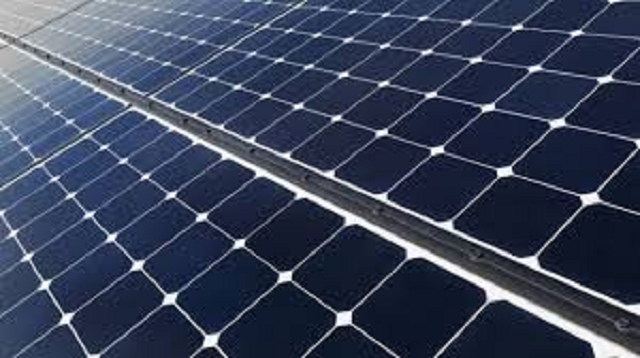
Africa has firmly cemented its position as the world’s largest off-grid solar market, accounting for more than 90% of global sales in 2025 as households and businesses rapidly adopted decentralized renewable energy to combat persistent electricity deficits.
According to the 2025 Global Off-Grid Solar Market Report published on June 1 by the Global Off-Grid Lighting Association (GOGLA), sub-Saharan Africa recorded the sale of 9.26 million off-grid solar kits last year. This volume represents approximately 90.7% of the 10.2 million units sold worldwide, marking a 15% increase from 2024 and a 29% jump from 2023. The data underscores the critical role of decentralized technologies on a continent where nearly 600 million people still live without electricity grid access.
East Africa maintained its status as the industry’s primary powerhouse, logging a record 7.43 million units sold—a 13% expansion year-on-year. Growth in the region was characterized by a distinct consumer shift away from basic solar lanterns toward larger, more capable energy setups; sales of comprehensive solar home systems skyrocketed by 51% and multiple-lighting systems grew by 32%.
This structural upgrade was largely enabled by fintech integration. While traditional cash sales in East Africa dropped by 10%, pay-as-you-go (PAYGo) installment sales surged by 45%. Globally, PAYGo sales expanded 48% to 5.11 million units, matching cash transactions for the very first time and demonstrating how digital payment systems are transforming solar affordability for low-income consumers.
West Africa recorded a powerful economic turnaround, bouncing back with a 26% rise to 1.45 million units following a brutal previous year where regional sales had plummeted by 33%. Nigeria single-handedly fronted this recovery by charting a 33% year-on-year sales increase despite severe macroeconomic headwinds, including high inflation, currency depreciation, and foreign exchange scarcity.
Nigeria’s solar rebound was heavily propelled by the implementation of the World Bank-funded Distributed Access through Renewable Energy Scale-up (DARES) initiative, which targets standalone solar systems and mini-grids for underserved areas. Mirroring the rest of the continent, Nigerian cash sales declined by 9% while PAYGo consumer financing jumped 55%, with multiple-lighting systems leading product demand with a 66% growth rate. Meanwhile, Central Africa registered a more modest 9% growth to 310,000 units, where smaller lanterns under 1.5 watts remained dominant due to ongoing affordability constraints.
Even with these historic sales figures, industry stakeholders emphasize that the current rate of deployment is still not fast enough to close Africa’s massive electricity gap. Off-grid solar is expected to serve as a vital cornerstone for Mission 300—the joint commitment by the World Bank and the African Development Bank to connect 300 million Africans to electricity by 2030.
GOGLA continues to warn that the sector requires substantial infusions of fresh capital to overcome persistent hurdles like currency volatility and restricted access to financing. Nevertheless, for global investors and policymakers, the commercial maturation of PAYGo financing and targeted public interventions like Nigeria’s DARES program prove that off-grid solar has evolved into a viable, high-growth commercial market.
The Issues
- Scaling up global investment and capital injection to the levels required to meet universal electricity access goals under Mission 300.
- Insulating solar supply chains and distributor networks against ongoing currency volatility and macroeconomic pressures in sub-Saharan Africa.
- Overcoming consumer affordability bottlenecks in slower-growing regions like Central Africa where demand is still limited to small solar lanterns.
What’s Being Said
- Highlighting the commercial validation of the industry, the GOGLA market report notes that with Africa capturing over nine out of every ten solar kits sold globally, the continent has transitioned off-grid solar from a niche development tool into a massive commercial marketplace.
- Reflecting on the role of targeted public policy, sector analysis indicates that the strong rebound in major markets like Nigeria shows how innovative funding models and public-sector support can significantly accelerate regional energy access.
What’s Next
- GOGLA and affiliated solar companies will use the newly released data to pitch for expanded international funding ahead of upcoming climate summits.
- The World Bank-backed DARES program will continue to roll out its next phase of standalone solar and mini-grid installations across underserved Nigerian communities.
- Fintech and renewable energy firms will deepen their convergence to expand PAYGo digital payment infrastructure into emerging Central and West African solar clusters.
Bottom Line
Driven by an explosive 45% to 55% rise in PAYGo fintech financing and backed by major institutional rollouts like Nigeria’s DARES program, sub-Saharan Africa has captured 90.7% of the global off-grid solar market, turning a developmental energy-access solution into a dominant commercial clean-energy success story.