Key points
- Leaders from across the energy, finance, and government sectors convened in Lagos on 10 June 2026 for the inaugural Nigeria Solar Generator Day.
- Co-hosted by ZEGen, GOGLA, and VeraSol, the event focused on shifting homes and businesses away from polluting petrol and diesel generators.
- Nigeria stands as one of the largest generator-dependent markets globally, with over 86 million people completely lacking grid electricity access.
- A recent ZEGen report estimates that 41 million small businesses and 17 million households rely on self-generation, spending $8 billion annually on fuel.
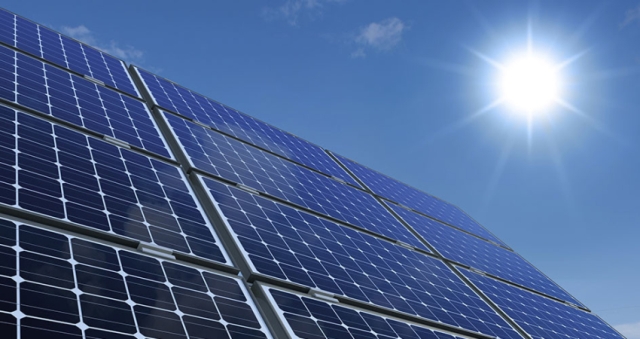
- Analysis reveals a standard solar generator system can meet up to 85% of typical energy demand for many users while wiping out fuel costs.
Main Story
Energy distribution companies, international financiers, policymakers, and development partners gathered in Lagos on 10 June 2026 for the first-ever Nigeria Solar Generator Day.
According to an official press statement released by the event organizers in Abuja, the high-level summit was designed to highlight the building momentum behind the country’s transition away from petrol and diesel generators toward clean, renewable energy solutions.
Co-hosted by clean-tech organizations ZEGen, GOGLA, and VeraSol, the landmark event established a collaborative space to analyze market growth, evaluate technological performance, and map out how public policy, finance, and private enterprises can scale green alternatives. Nigeria remains one of the most generator-dependent markets in the world, with more than 86 million citizens lacking access to a central electricity grid, forcing millions of homes and commercial enterprises to depend heavily on self-generation.
To address this, the summit focused on identifying core market opportunities, building commercial financing pathways, advancing strict product testing standards, and shaping new data frameworks.
Data from a recent ZEGen report titled Understanding Nigeria’s Fossil Fuel Generator Challenge underscores the massive scale of the country’s energy deficit. The study estimates that 41 million small businesses and 17 million households actively operate petrol and diesel generators, incurring a staggering $8 billion in collective annual fuel expenditures.
Experts at the event demonstrated that a standard solar generator system could successfully fulfill up to 85% of typical energy demands for a significant portion of these users, effectively eliminating out-of-pocket fuel costs while protecting consumers from volatile oil price shocks.
Industry leaders emphasized that Nigeria’s solar sector has reached a critical turning point that requires immediate, large-scale action. Organizers stated that the focus must now shift toward attracting increased commercial investment, securing philanthropic funding, and fostering deep institutional collaboration to scale these solutions at pace.
Furthermore, as the local market rapidly expands, verifying product durability through technical tools and performance data will remain critical to building long-term consumer and investor confidence. Following the conclusion of the panels, participants are expected to collaborate on technical guidance and shared frameworks, with key operational insights due to be published as a formal follow-on to the event.
The Issues
- Securing the massive influx of private capital and philanthropic funding needed to replace millions of fossil-fuel generators at pace.
- Enforcing quality control and standards verification across the expanding solar market to protect consumers from low-quality products.
- Convincing 41 million small businesses to transition from familiar petrol systems to solar alternatives despite high upfront costs.
What’s Being Said
Emphasizing the commercial urgency of the summit, Lily Beadle, Programme Director at ZEGen, stated: “ZEGen is helping to turn innovation into real-world deployment in Nigeria – combining research, technology innovation and partnerships to build a scalable market for solar generator solutions in place of polluting fossil fuel generators.”
Highlighting the market potential, Sarah Odumwegu-Ojukwu, GOGLA Country Representative for Nigeria, noted: “Nigeria is one of Africa’s at largest and most dynamic energy markets, where households and businesses are actively seeking reliable, healthier alternatives to costly diesel. Solar generators are that alternative — and the opportunity is enormous.”
Focusing on consumer protection, Ruth Kimani of VeraSol added: “As the solar generator market in Nigeria expands, ensuring product quality and performance will be critical to building confidence among customers and investors.Events like Nigeria Solar Generator Day play an important role in bringing the sector together to align on standards and best practice.”
What’s Next
- Summit participants will begin drafting unified technical guidance and shared operational frameworks based on the event’s conclusions.
- Organizers will publish a comprehensive post-event report detailing key market growth data and financing models analyzed during the panels.
- VeraSol and local distributors will step up the deployment of performance-verification tools to help de-risk upcoming solar infrastructure investments.
Bottom Line With millions of Nigerian households and small businesses spending $8 billion annually on fossil-fuel self-generation, the inaugural Nigeria Solar Generator Day has united energy leaders in Lagos to deploy high-quality solar alternatives capable of wiping out fuel costs and covering up to 85% of typical power needs.