






Key Points
- Africa’s solar installations are estimated to reach 17GW in 2026, up 45 per cent from 2025.
- Nineteen African countries recorded more than 100 per cent year-on-year growth in solar installations.
- South Africa is expected to account for less than 20 per cent of Africa’s solar additions for the first time since 2019.
Main Story
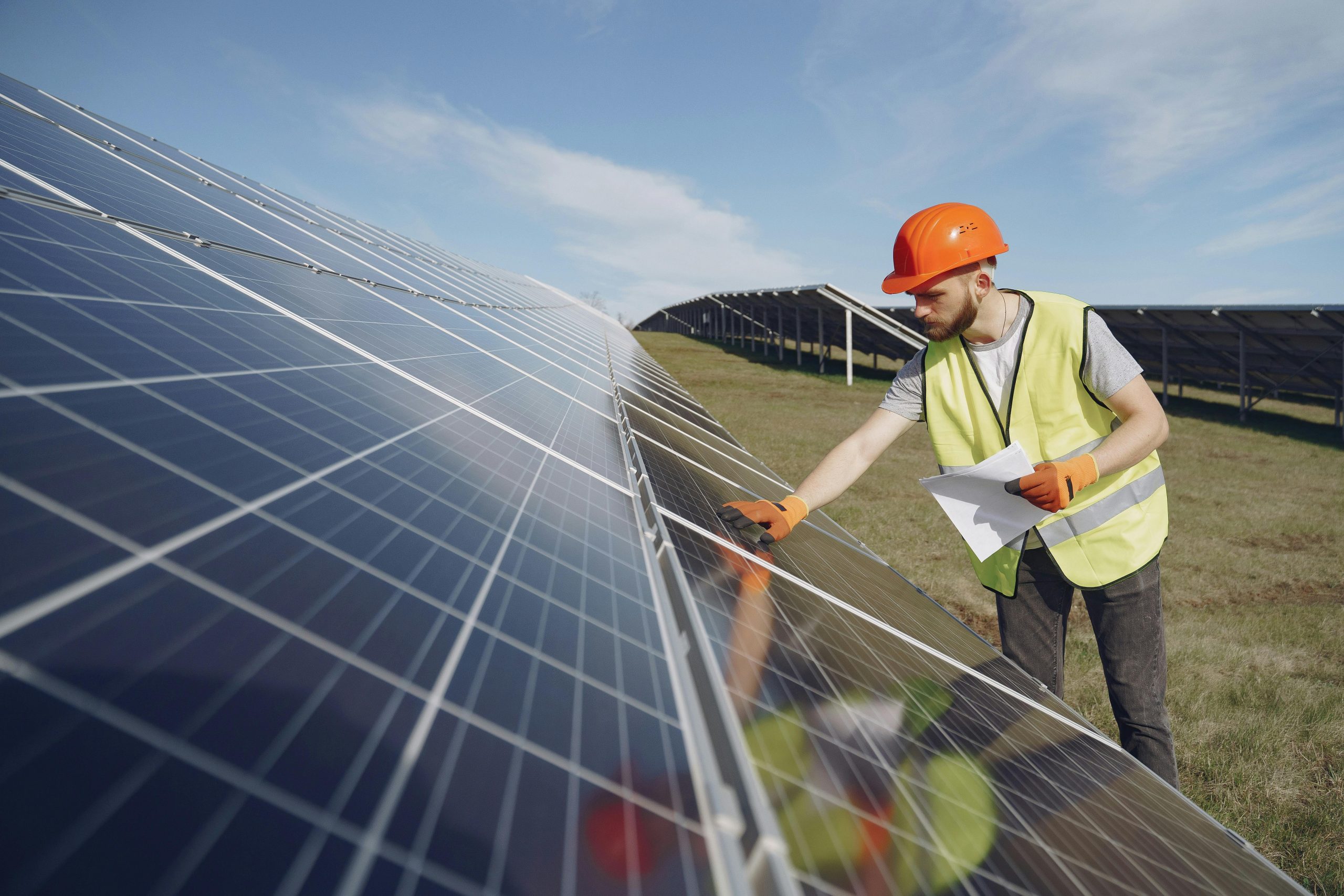
Solar deployment is accelerating across Africa as cheaper panels drive rapid growth beyond South Africa, traditionally the continent’s largest solar market.
A new report by Forbes Africa, citing energy think tank Ember and the African Tech Futures Lab, estimates that Africa will install about 17 gigawatts (GW) of solar capacity in 2026, representing a 45 per cent increase from the previous year.
The report estimates that roughly 100,000 solar panels are being installed across the continent every day this year.
The latest increase follows an estimated 51 per cent growth in solar installations in 2025 and 25 per cent growth in 2024. Ember’s estimates are based on Chinese customs data and a methodology that accounts for the time between the shipment of panels and their eventual installation.
According to the report, Chinese solar panel exports to Africa rose sharply in the 12 months to June 2026, reaching levels comparable with exports to the Middle East and Latin America.
The expansion is increasingly being driven by countries outside Africa’s traditional solar leaders. Nineteen countries recorded year-on-year installation growth of more than 100 per cent, including the Democratic Republic of Congo (544 per cent), Zimbabwe (282 per cent), Egypt (176 per cent) and Zambia (117 per cent).
South Africa’s share of the continental market is consequently declining. It is expected to account for less than 20 per cent of Africa’s solar installations in 2026, the first time that its share has fallen below that level since 2019.
Solar is also becoming an increasingly important source of new electricity capacity. In Senegal, solar additions between 2023 and 2026 are equivalent to almost 80 per cent of the country’s entire grid capacity in 2023. Solar additions in the Democratic Republic of Congo and Kenya are each equivalent to more than half of their respective 2023 grid capacities.
The estimated 17GW of new solar capacity is expected to generate about 23 terawatt-hours of electricity annually, equivalent to 2.3 per cent of Africa’s electricity generation. According to the report, that is slightly above the continent’s average annual electricity demand growth of 2.2 per cent between 2014 and 2024.
The Issues
The rapid expansion is occurring alongside a major data gap. Only 12 African countries report an official or semi-official figure for distributed solar, and Ember believes those figures still underestimate the scale of deployment.
The continent is also heavily dependent on imported panels. Although Africa’s panel manufacturing capacity is expanding, 94 per cent of solar panels installed on the continent are still imported from China.
Ember estimates that African panel manufacturing output will reach about 3.5GW in 2026, or roughly one-fifth of the solar capacity expected to be installed during the year.
Access to finance remains another constraint. Grid Crux CEO Mojola Ola told Forbes Africa that access to capital is a critical factor determining the pace at which renewable-energy solutions can be deployed across the continent.
What’s Being Said
“Solar panels have become so cheap, the economics are compelling.”
Dave Jones, Chief Analyst at Ember, said the scale of the transition remains difficult to capture because governments need better systems for gathering solar data.
“This transition is chaotic and disruptive, and far from the orderly model planned in national strategies.”
Joel Nana, Research Director at African Tech Futures Lab and Project Manager at Sustainable Energy Africa, said policymakers need to determine how distributed solar assets should be incorporated into national electricity systems.
“At all levels of multiple segments this is one critical factor that determines the rate of acceleration or deployment of renewable solutions across Africa.”
Mojola Ola, CEO of Grid Crux, said access to capital remains critical to renewable-energy deployment.
What’s Next
Africa’s solar market is expected to continue expanding as falling panel costs improve the economics of deployment across more countries.
However, the report points to the need for better solar data, increased local manufacturing and improved access to finance if the continent is to sustain the pace of growth.
Bottom Line
Africa’s solar expansion is becoming broader and less concentrated in South Africa, with 19 countries recording more than 100 per cent year-on-year growth. Falling panel costs are driving deployment, but financing, data collection and dependence on Chinese imports remain constraints on the sector.