






Keypoints
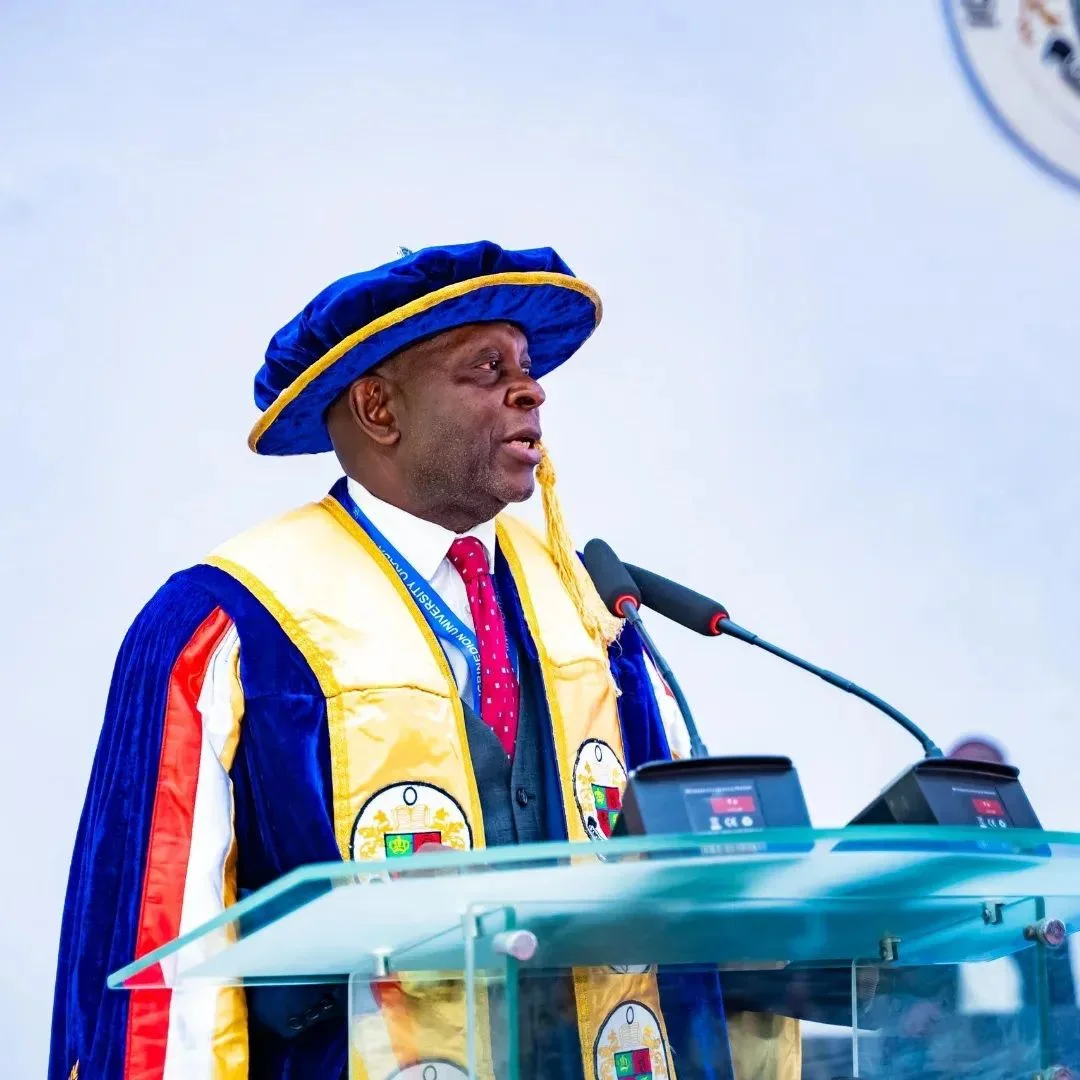
- Prof. Charles Adetunji, a globally ranked microbiologist, challenged Nigerian scholars to move beyond academic publishing and focus on problem-solving research.
- Speaking at Igbinedion University, he identified “institutional inefficiencies” and “administrative overload” as greater barriers to research than intellectual ability.
- The workshop, “Crafting the Grant-Winning Proposal,” aimed to equip scholars with the skills to secure competitive international funding.
- Adetunji defined research productivity as a function of output and impact divided by time, emphasizing that quality must outweigh quantity.
- Igbinedion University Vice-Chancellor, Prof. Lawrence Ezemonye, announced Adetunji’s appointment as a Visiting Professor to boost the institution’s research ecosystem.
Main Story
Nigeria’s academic community is being called to pivot from “publishing for promotion” to “research for development.”
At a high-level grant-writing workshop hosted by Igbinedion University, Okada, on Thursday, April 23, 2026, Prof. Charles Adetunji argued that the true measure of a scientist is their ability to attract global grants and solve local societal problems.
Adetunji, who is ranked among the top two percent of scientists globally, stressed that scholarly work must align with the Sustainable Development Goals (SDGs) to remain relevant.
The professor pointed out that many Nigerian researchers are hindered by systemic issues rather than a lack of expertise. He cited delayed funding cycles and fragmented workflows as major constraints that turn university administration into a bottleneck rather than a multiplier for success.
To compete in a world where the “laboratory is now virtual and global,” Adetunji urged scholars to embrace artificial intelligence and big data, while building international networks that translate academic findings into actionable policy and economic innovation.
The Issues
The primary challenge is the systemic-efficiency gap; intellectual talent is often wasted because of weak institutional approval systems and administrative burdens that slow down the research cycle. Authorities must solve the problem of grant-alignment friction, as many brilliant research ideas fail simply because they are not presented clearly or positioned to meet the strategic priorities of international funders.
Furthermore, there is a digital-transition risk; as research becomes increasingly driven by cloud computing and global collaboration, scholars who fail to adopt these virtual tools risk becoming obsolete. To succeed, universities must move beyond “research within walls” and ensure that findings are actively pushed into the hands of policymakers and industry leaders to drive the national economy.
What’s Being Said
- “Productivity is output multiplied by impact and divided by time. Administration can either become a multiplier or a major constraint,” stated Prof. Charles Adetunji.
- Vice-Chancellor Prof. Lawrence Ezemonye noted that the university is currently “thinking research, speaking research and acting on research” to compete globally.
What’s Next
- Igbinedion University is expected to launch a Research Capacity Strengthening Initiative led by newly appointed Visiting Professor Adetunji.
- Scholars in the College of Natural and Applied Sciences are anticipated to begin forming interdisciplinary grant-writing teams to target specific 2026–2027 global funding cycles.
- The university management may introduce structural reforms to its administrative workflow to reduce the “administrative overload” identified during the workshop.
- A follow-up session focusing on AI and Big Data in Microbiology is likely to be scheduled to help researchers transition to the virtual laboratory environment.
Bottom Line
The appointment of a global top-tier scientist like Prof. Adetunji signals a shift in Nigerian academia toward a grant-competitive and impact-heavy model. If universities can successfully remove the systemic barriers to productivity, the next generation of Nigerian researchers could lead the way in solving local challenges through global innovation.