The Pension Transitional Arrangement Directorate (PTAD) has disbursed ₦3.9bn in outstanding pension arrears to 91,146 retirees under the Federal Government’s Defined Benefit Scheme (DBS). The payment, completed this week, forms part of the ₦32,000 pension increment recently approved by President Bola Tinubu.
In a statement issued on Friday in Abuja, PTAD’s Head of Corporate Communications, Olugbenga Ajayi, explained that the payments covered retirees across multiple pension departments. According to him, ₦1.9bn was paid to 59,865 pensioners under the Parastatals Pension Department; ₦830m to 12,976 retirees under the Civil Service Pension Department; and ₦620m to 9,689 pensioners in the Police Pension Department.
He added that another ₦551m was released to 8,616 retirees from the Nigeria Customs Service, Nigeria Immigration Service and the Prisons Pension Department.
The Executive Secretary of PTAD, Tolulope Odunaiya, reaffirmed the Federal Government’s commitment to clearing all outstanding liabilities and improving the welfare of older citizens under President Tinubu’s Renewed Hope Agenda. PTAD had earlier announced that implementation of the new pension adjustments for DBS pensioners would begin with the September 2025 payroll.
Under the approved package, pensioners will receive a fixed ₦32,000 increase, alongside 10.66% and 12.95% percentage increments for eligible categories, a plan expected to benefit about 832,000 retirees under PTAD’s management.
The Nigeria Civil Aviation Authority has urged the Judiciary to strengthen legal support for aviation contracts in order to attract more international investment into the sector.
The call was made in Abuja during the grand finale of the first international Cape Town Convention moot court held at the Federal High Court. The event was organised under the CTC Academic Project with support from the Federal Ministry of Aviation and Aerospace Development and the Aviation Working Group.
Director-General of the NCAA, Captain Chris Najomo, who was represented by Captain Donald Tonye Spiff, said the Cape Town Convention has boosted Nigeria’s credibility with global aviation players. The convention covers international interests in mobile equipment and includes a protocol specific to aircraft assets.
Najomo said the industry struggled to gain the trust of aircraft lessors before the adoption of the treaty. He credited the progress to the efforts of the Minister of Aviation and Aerospace Development, Festus Keyamo. He added that Nigeria is now firmly recognised by major aircraft manufacturers and leasing companies.
He also praised the performance of the students in the moot competition. He said their work showed Nigeria’s growing expertise in aviation law.
Secretary General of the Aviation Working Group, Jeffrey Wool, described the moot court as a milestone for the country. He said the CTC is a critical treaty for aviation financing. He added that familiarising the courts and young lawyers with its provisions will help Nigeria handle related cases more effectively.
The event replicated real court proceedings. It featured two finalist teams from the University of Benin and the University of Lagos. A panel of three Federal High Court judges, Justices Binta Nyako, Joyce Abdulmalik and James Omotosho, presided over the session.
Eighteen universities from across the six geopolitical zones took part in the preliminary rounds. The University of Benin and the University of Lagos emerged as the top teams.
Nigeria has moved to review its bilateral air service agreements with Sweden, Norway and Denmark. The talks form part of the 2025 International Civil Aviation Negotiation event in Punta Cana, Dominican Republic.
Festus Keyamo, Minister of Aviation and Aerospace Development, led the Nigerian delegation to the annual meeting organised by the International Civil Aviation Organisation.
Tunde Moshood, the minister’s special adviser on media and communications, said Nigeria’s presence at ICAN2025 reinforces its push for aviation growth and deeper economic ties. “The ICAN2025 event provides a unique global platform for countries to conduct bilateral and multilateral negotiations on Air Service Agreements aimed at enhancing air connectivity, fostering trade, tourism, and investment, and promoting the sustainable growth of the global aviation industry,” he said.
Moshood added that the Nigerian delegation has taken part in several BASA review meetings and memorandum of understanding discussions on the sidelines of the event.
Delegates held separate talks with South Africa about fifth-freedom traffic rights and an additional designation for another carrier on the Cape Town–Lagos route. In a joint session with Sweden, Norway and Denmark, the parties agreed to exchange air service agreement documents for further review and deliberation. The discussions will focus on updating existing BASAs to boost connectivity and mutual benefits.
Speaking on the sidelines, Minister Keyamo said Nigeria remains committed to deepening international aviation cooperation. He said active engagement at ICAN2025 demonstrates the government’s focus on expanding Nigeria’s global aviation footprint and improving market access for Nigerian carriers.
Moshood also noted that Equatorial Guinea will host the next ICAN meeting.
The Nigerian delegation includes Chris Najomo, Director-General of the Nigeria Civil Aviation Authority; Ahmed Mohammed, Director of Air Transport Management at the ministry; Sarah Okunade, Director of Legal Services; and Michael Achimugu, Director of Public Affairs and Consumer Protection at the NCAA.
Senior executives from the Airline Operators of Nigeria also joined the team. They include Toyin Olajide, Chief Operating Officer of Air Peace, and Charles Johnson Ararume, Chief Financial Officer of Arik Air.
Nigerian fintech giant, Paystack, has suspended its Co-founder and Chief Technology Officer, Ezra Olubi, following the resurfacing of sexually explicit tweets he allegedly posted more than a decade ago. The posts, which circulated widely on X on Thursday, contained graphic remarks involving minors and references to sexualised anime characters.
In a statement on Friday, the company confirmed it had initiated a formal probe into the allegations.
“Paystack is aware of the allegations involving our Co-founder, Ezra Olubi. We take matters of this nature extremely seriously. Effective immediately, Ezra has been suspended from all duties and responsibilities pending the outcome of a formal investigation,” the statement read. The company added that it would not comment further until the process is concluded.
Olubi, known for a public persona that often sparks social-media debate, has not issued any response. He deactivated his X account on 13 November amid growing public backlash. In 2022, he received a national honour — the Order of the Niger (OON) — from former President Muhammadu Buhari.
A Spotlight on Conduct in Africa’s Tech Ecosystem
Olubi’s suspension comes at a time when concerns around child sexual abuse are prompting stronger institutional and legal responses across Nigeria. The Senate recently passed amendments to the Criminal Code Act that prescribe life imprisonment for anyone convicted of defiling a minor. The reforms, adopted in October, eliminate fines, remove gender bias in the definition of rape, and abolish statutes of limitation for offences involving minors.
The heightened scrutiny underscores an evolving expectation of accountability in Nigeria’s tech sector, which has grown rapidly and now attracts intense global attention.
Paystack’s Influence and Global Standing
Established in 2015 by Shola Akinlade and Ezra Olubi, Paystack has evolved from a Lagos startup into one of Africa’s most influential payment infrastructure companies. The firm enables businesses to receive payments through cards, bank transfers, USSD, QR codes, and mobile money.
Paystack gained early global visibility after entering the Y Combinator accelerator in 2016 and raising $1.3 million in seed funding. Momentum continued with an $8 million Series A round in 2018 led by Stripe, Visa, and Tencent. In 2020, Stripe acquired Paystack in a landmark $200 million deal — one of the largest fintech exits in Africa.
More recently, Paystack led a consortium to acquire Brass, expanding its footprint into SME-focused financial tools. Because of its scale, global partnerships, and integration into Stripe’s payments ecosystem, the company’s handling of the allegations against Olubi is being closely monitored within and beyond Africa’s technology community.
The National Pension Commission (PENCOM) has extended the deadline for Pension Fund Administrators (PFAs) and Pension Fund Custodians (PFCs) to comply with its revised minimum capital requirements, granting operators six additional months to meet the new standards.
In an addendum to its earlier circular of 26 September 2025 (Ref: PenCom/INSP/Surv/2025/1255), released this week, the Commission confirmed that the compliance deadline has now been shifted from 31 December 2026 to 30 June 2027. The document, signed by A.M. Saleem, Director of the Surveillance Department, also offered fresh clarifications to guide operators ahead of the new deadline.
The addendum introduces significant updates aimed at easing compliance pressure and improving transparency in capital computation. These include:
• Inclusion of Statutory Reserve Fund (SRF):
The SRF will now count as part of Shareholders’ Funds across all PFA categories (A, B and C). The move is expected to strengthen operators’ capital positions and reduce the immediate burden of raising fresh capital.
• Refinement of AUM-Based Surcharge for Category A PFAs:
Certain funds will now be excluded from the calculation of the 1% capital surcharge tied to Assets Under Management (AUM). These include:
– Fund V (Personal Pension Plan)
– Fund VII (Foreign Currency Fund)
– Approved Existing Schemes
– Additional Benefit Schemes
The exclusions aim to ensure a more accurate representation of risk exposure in the capital framework.
PENCOM reaffirmed that compliance will continue to be monitored biannually through audited financial statements. Any identified shortfalls must be addressed within 90 days of notification.
The Commission stressed that while existing operators have been granted an extension, the revised capital requirements remain effective immediately for new licences, reinforcing its commitment to safeguarding financial stability within the pension sector.
The extension provides much-needed relief to PFAs and PFCs navigating the sector’s most significant regulatory overhaul in more than 20 years. By allowing the SRF as part of capital and adjusting AUM calculations, PENCOM appears to be striking a balance between regulatory discipline and operational flexibility.
Operators seeking clarification have been advised to contact the Commission’s Surveillance Department.
In September, PENCOM introduced a sweeping review of capital requirements for PFAs and PFCs, raising the minimum capital for PFAs to ₦20 billion. PFAs with AUM of ₦500 billion and above must now maintain ₦20 billion plus 1% of excess AUM, while those below the threshold must meet a flat ₦20 billion minimum.
Special-purpose PFAs, including NPF Pensions Limited, are required to maintain ₦30 billion, while the Nigerian University Pension Management Company Limited must hold ₦20 billion.
The reforms are designed to bolster resilience in the pension industry, which now manages assets exceeding ₦18 trillion, and to ensure operators remain financially sound amid a rapidly expanding retirement savings market.
• OGUNCCIMA faults suspension of 15% fuel import tariff
The Nigerian Midstream and Downstream Petroleum Regulatory Authority (NMDPRA) has announced that more than 12.6 million barrels of crude oil have been supplied to domestic refineries in 2025, with the Dangote Refinery receiving the largest share. The disclosure was made yesterday in Abuja by the Authority’s Chief Executive, Farouk Ahmed, at the annual conference of the Energy Correspondents Association of Nigeria (ECAN).
Ahmed revealed that crude supply to local refineries has more than doubled in two years—from about 20,000 barrels per day (bpd) in 2023 to over 40,000bpd in 2025. He attributed the increase to coordinated efforts between NMDPRA and the Nigerian National Petroleum Company Limited (NNPCL) to strengthen feedstock availability for both modular and large-scale refineries operating in the country.
The NMDPRA boss also addressed the Authority’s recent suspension of the proposed 15 per cent ad valorem tariff on imported petroleum products. He said the reversal was necessary to stabilise the market, ensure price predictability and prevent supply disruptions. “We have worked to improve domestic crude supply obligations and streamline logistics to guarantee refinery operations, particularly at the Dangote Refinery,” he said.
In a separate statement issued by NMDPRA’s Director of Public Affairs, George Ene-Ita, the Authority assured the public of steady fuel availability and urged Nigerians to avoid panic buying, noting that the country currently enjoys robust product supply from both domestic production and imports.
However, the policy reversal has drawn criticism from the Ogun State Chamber of Commerce, Industry, Mines and Agriculture (OGUNCCIMA), which warned that suspending the tariff could undermine Nigeria’s efforts to boost local refining capacity. OGUNCCIMA President, Niyi Oshiyemi, described the suspension as a setback to ongoing economic reforms and a missed chance to strengthen investor confidence in the energy sector.
According to Oshiyemi, the tariff would have provided essential protection for domestic refiners, including the Dangote Refinery and multiple modular plants. “The suspension of the 15 per cent fuel import tariff is disappointing. The policy was a step in the right direction to promote local refining, reduce dependence on imports, conserve foreign exchange and create a fair competitive environment for domestic producers. Its reversal sends a wrong signal to investors,” he said.
He further argued that the tariff would have helped ease pressure on the naira by reducing forex demand for imported fuel, noting that long-term energy security hinges on Nigeria strengthening its refining capacity rather than rolling back policies that support domestic production.
Ahmed also disclosed that the Authority had gazetted 18 new regulatory instruments and developed additional guidelines and standard operating procedures to improve efficiency and compliance across the midstream and downstream value chain.
The global cryptocurrency market kicked off the week on a bullish note as Bitcoin and Ethereum led gains that pushed total market capitalisation above $3.6 trillion on Monday. Investors flooded back into digital assets amid growing optimism that the U.S. government’s shutdown crisis will soon be resolved.
Market sentiment brightened across risk assets, with major stock indices and U.S. futures posting gains while the dollar regained modest strength. Data from CoinMarketCap showed that the total crypto market cap climbed more than 5% within 24 hours, fueled by a wave of buying in large-cap tokens.
Bitcoin gained 4.3% in the past 24 hours, trading around $106,100, with daily trading volumes surpassing $70.25 billion. The world’s largest cryptocurrency rebounded strongly after briefly dipping below the $2 trillion market cap mark last week. Early Monday data placed Bitcoin’s market value at $2.115 trillion.
Ethereum also rallied 6.43% within the same period, trading at $3,609. The rebound trimmed Ethereum’s weekly losses to below 2%, suggesting renewed investor confidence following weeks of volatility driven by concerns over the U.S. Federal Reserve’s policy direction.
Altcoins joined the uptrend, reversing the sell pressure that dominated the previous week. Traders attributed the rebound to easing macroeconomic fears after the U.S. Senate took significant steps toward ending the government shutdown, which had stalled economic data releases for weeks.
Late Sunday night, eight Democrats joined Senate Republicans to advance a House-passed short-term funding bill, sparking optimism across global financial markets and digital assets.
Nigeria’s earnings from crude oil and gas dropped sharply by 43% in 2024, settling at ₦1.08 trillion compared to ₦1.90 trillion in 2023, according to data from the Budget Office of the Federation’s latest Budget Implementation Report for Q4 2024.
Despite an uptick in oil production, total oil and gas revenue accounted for only 8% of overall income. The report revealed that total oil and gas proceeds before deductions reached ₦15.07 trillion, falling short of the ₦19.99 trillion budget projection by 24.65%.
The decline in crude-based income was offset by higher tax and royalty inflows. Petroleum Profit Tax (PPT) and Company Income Tax (CIT) generated ₦6 trillion, while royalties soared to ₦6.99 trillion — almost triple the previous year’s figures. This boost came largely from improved compliance and reforms introduced under the Petroleum Industry Act (PIA).
Gas-flaring penalties rose significantly by 178% to ₦391.26 billion, while royalty recovery and marginal field settlements more than doubled. Additionally, pipeline-fee revenue increased to ₦35.2 billion.
A key driver of overall revenue growth was exchange-rate gains, which skyrocketed from ₦791.88 billion in 2023 to ₦4.24 trillion in 2024 following the naira’s liberalisation. After all deductions, Nigeria’s net oil revenue stood at ₦12.95 trillion — below the ₦16.98 trillion target but far above 2023’s ₦4.82 trillion.
Crude oil production climbed by 12.6% to 442.21 million barrels, averaging 1.43 million barrels per day (bpd). December saw the highest monthly output at 1.49 million bpd, the highest since the start of the year. Total liquid output, including condensates, reached 492.34 million barrels, up from 451.09 million barrels in 2023.
However, output remained 20% below government projections due to crude theft, aging infrastructure, and low investment. Still, analysts noted that total oil and gas inflows nearly doubled year-on-year, driven primarily by stronger royalties, exchange-rate gains, and fiscal adjustments.
Yields on Nigerian Open Market Operation (OMO) bills climbed by 15 basis points to an average of 22.2% in the secondary market, as traders adjusted portfolios ahead of two major CBN auctions last week.
The Central Bank of Nigeria offered a combined ₦1.2 trillion in OMO bills in its continued bid to absorb excess liquidity from the financial system. The move triggered mild selloffs across the short-term OMO curve, as both domestic banks and foreign portfolio investors rebalanced holdings in anticipation of possible rate realignments.
The uptick in yields came amid cautious investor sentiment and global uncertainties, with analysts citing geopolitical comments by U.S. officials about Nigeria’s security situation as a contributing factor to the brief volatility.
During the week, the CBN floated two separate OMO auctions, each worth ₦600 billion. The first attracted subscriptions of ₦1.18 trillion, indicating a bid-to-offer ratio of 2.0x. Eventually, the CBN allotted ₦273.60 billion at stop rates of 21.69% and 21.84% for the 56-day and 84-day maturities, respectively.
In parallel, the Nigerian Treasury bills (NTB) market traded on mixed sentiments, though demand remained strong as investors sought to reinvest funds from unmet bids. The 3 September 2026 bill led the charge, reversing prior profit-taking as buyers positioned ahead of the midweek NTB auction.
At the auction, the apex bank offered ₦650 billion split into ₦100 billion (91-day), ₦100 billion (182-day), and ₦450 billion (364-day) tenors. Subscription levels rose sharply to ₦1.18 trillion, compared to ₦750.91 billion in the previous auction. Eventually, ₦546.34 billion was allotted, with stop rates unchanged for short-term bills at 15.30% and 15.50%, while the 364-day bill dipped by 10bps to 16.04%.
Overall, average NTB yields closed the week at 17.6%, reflecting sustained investor interest despite the tightening bias in the money market.
Nigeria’s interbank market closed last week on a mixed note as system liquidity stayed buoyant despite the Central Bank of Nigeria’s (CBN) intensified efforts to withdraw excess cash through market operations.
Financial data indicated that the banking sector’s excess funds, which peaked at about ₦5 trillion during the week, remained robust even after the apex bank conducted two major liquidity-absorbing operations—Open Market Operations (OMO) and treasury bill sales.
By the close of trading, system liquidity stood at ₦3.91 trillion, marking a 58.3% increase from ₦2.47 trillion recorded the previous week. This followed an earlier liquidity surge midweek, when OMO repayments worth ₦1.5 trillion pushed total system liquidity to ₦4.6 trillion.
Despite these tightening measures, banks continued to place surplus funds at the CBN’s Standing Deposit Facility (SDF) window, earning below the borrowing rate. Market analysts at Cowry Asset Management Limited noted that interbank lending activity remained muted, with the Nigerian Interbank Borrowing Rate (NIBOR) closing flat at 24.88%.
The liquidity inflow largely came from maturing OMO and Nigerian Treasury Bills (NTBs) alongside sustained placements by deposit money banks at the SDF window. Liquidity levels improved from ₦3.1 trillion at the start of the week to ₦5 trillion at its peak before closing at ₦3.9 trillion after the CBN’s ₦1.2 trillion OMO auction.
Overall funding conditions remained relaxed, with the average cost of borrowing dropping by four basis points week-on-week. At the end of Friday’s session, the Open Repo Rate (OPR) held firm at 24.50%, while the Overnight Rate (O/N) declined slightly by seven basis points to 24.79%.
The Chief of Army Staff (COAS), Lieutenant General Waidi Shaibu, on Wednesday welcomed members of the 41 Regular Combatant Course Alumni Association to the Army Headquarters, Abuja, in what became a heartfelt reunion of long-standing comrades bound by service, sacrifice, and shared ideals.
Receiving his coursemates, Lt Gen Shaibu expressed profound gratitude for their solidarity, describing them as “an integral part of my success journey.” He noted that the bond formed at the Nigerian Defence Academy (NDA) has endured the test of time, adding that their collective wisdom continues to strengthen the Nigerian Army’s pursuit of peace and stability.
The Army Chief reaffirmed his commitment to collaborating closely with both serving and retired members of the Course to advance the nation’s security architecture. He disclosed that since assuming office, his colleagues have remained actively engaged in offering insights on tackling emerging threats across the country. He urged them to remain his “eyes and ears,” stressing that their field experience and support are critical to shaping a safer, more united Nigeria.
Earlier, President of the 41 Regular Combatant Course Alumni Association, Major Lancelot Anyanya (Rtd), led the delegation in congratulating Lt Gen Shaibu on his appointment as the 25th Chief of Army Staff. He described the COAS as “a friend, brother and leader whose elevation has inspired immense pride among coursemates,” noting that the 41 Regular Combatant Course represents the pioneering Post-Jubilee Generation Officers of the NDA.
Anyanya praised Shaibu’s exemplary service record and recalled his remarkable leadership since their days at the Academy, where he served as Academy Cadet Adjutant over 30 years ago. He expressed confidence that the COAS would continue to deliver with excellence and commitment in line with the vision of President Bola Ahmed Tinubu, the Commander-in-Chief of the Armed Forces.
The delegation also extended goodwill to the COAS’s wife, Mrs Safiyyah Hassan Shaibu, acknowledging her steadfast support and her leadership role as National President of the Nigerian Army Officers’ Wives Association (NAOWA). They assured the Army Chief of their unwavering backing as he steers the Army toward greater operational effectiveness and national stability.
Google has introduced new AI-powered shopping tools that turn its Gemini model into a digital personal shopper.
The company announced the update on Thursday, describing it as a major step toward what it calls “agentic commerce,” a new phase of online shopping powered by artificial intelligence.
The tools allow users to search, compare, and even buy items automatically. The system can also call nearby stores to check prices and stock levels before completing a purchase.
In AI Mode on Google Search, users can type requests such as “cozy sweaters in warm autumn colors” and receive shoppable images, side-by-side comparisons, and live inventory data from Google’s Shopping Graph, which holds more than 50 billion listings.
Through the Gemini app, shoppers can create lists, compare prices, and follow links directly to retailers. The new “Let Google Call” feature uses the company’s Duplex technology to contact stores, gather information, and return updates by text or email.
Google has also introduced an automated checkout tool that can complete purchases once an item hits a target price. The feature will first work with retailers such as Wayfair, Chewy, Quince, and select Shopify stores.
According to Google, the new updates blend Gemini’s intelligence with years of shopping data to help users find and buy products more easily.
It’s another Thursday for Thursday Chronicles, your weekly dose of laughter, reflection, and survival tales from the grand theatre called life in Nigeria. This week, we’re stepping into a world of lace, gele, and glitter, the place where love becomes a full-blown production and bank accounts quietly weep: the Nigerian wedding.
If you’ve ever attended one, then you know, it’s not just a ceremony. It’s an experience, a spectacle, a national sport powered by emotion, ego, and jollof rice. No one ever plans a “small wedding” in Nigeria. Even the simplest ceremonies end up with live bands, 300 uninvited guests, and an auntie who swears she raised the groom from childhood.
It all begins with the famous Aso-Ebi, that sacred cloth that turns friends into accountants. You’re told, “It’s just ₦25,000,” but by the time you buy the fabric, pay the tailor, and fix the inevitable “style correction,” you’ve spent enough to fund a short vacation. The irony? The more expensive your Aso-Ebi, the higher your chances of leaving the reception without food. It’s one of those Nigerian mysteries that science can’t explain.
Then comes the invitation. The card says 10 a.m. prompt, and you, the punctual, hopeful guest, show up at 10:15, thinking you’re late. Joke’s on you. The decorators are still inflating balloons, the MC is nowhere in sight, and the DJ is shouting “Testing, testing, one-two.” The couple? Still at the makeup studio, three hours away from “I do.” In Nigeria, “prompt” is not a time; it’s a prayer.
By the time the church service starts, the bride’s makeup has entered stage five of survival. The pastor delivers a sermon that sounds like a marriage seminar, quoting Proverbs, Corinthians, and sometimes local proverbs that sound suspiciously made up. Everyone is smiling, but secretly, all eyes are on the clock, and the clock is whispering, “It’s almost time for jollof.”
Ah, the reception. That’s where dignity goes to rest. The hall is decorated like a presidential inauguration, but beneath the glitter is quiet tension; everyone is waiting for food. You’ll see guests pretending to dance near the servers, strategically positioning themselves to “help distribute.” You’ll see aunties carrying takeaway packs like trophies. The DJ plays “Buga,” the MC shouts “Spray the couple!” and somewhere, someone’s gele has given up the fight. It’s beautiful chaos.
Then the money-spraying begins, Nigeria’s most beloved tradition. It’s a shower of naira and ego. One uncle starts with ₦100 notes, then another arrives with fresh ₦500s, and suddenly it’s a competition. The couple dances, the crowd cheers, and the air smells like mint and sweat. The little children become mini bankers, picking up stray notes for “safekeeping.” Everyone is happy, except your wallet.
When the older generation leaves, the real show begins. The after-party is a transformation. The DJ drops Burna Boy, ties come off, wigs loosen, and the atmosphere shifts from “holy matrimony” to “music festival.” The bride, now barefoot, is dancing like she just signed an international deal. The groom, drenched in sweat, is smiling like a man who survived war.
A few days later, you get the classic WhatsApp message: “Hi, dear! Thanks so much for coming. Please send your pictures, and don’t forget to tag us @TheTayoWedding.” You look at the message and sigh, you didn’t eat, you stood for hours, and yet you’re somehow the one being asked for pictures. But you smile, type “Congratulations again, dear,” and keep scrolling. Because deep down, you loved every bit of it.
Nigerian weddings are a perfect blend of stress and joy, chaos and coordination, noise and nostalgia. You’ll spend money you don’t have, wear clothes you can’t breathe in, and dance on an empty stomach, but you’ll also laugh, celebrate, and collect memories that last a lifetime. It’s loud, it’s dramatic, and it’s ours.
So, the next time you find yourself buying another Aso-Ebi or attending a wedding you barely got invited to, remember — you’re not just going for the food or the pictures. You’re going for the culture, the laughter, and that special kind of madness that only Nigerians can create.
That’s it for this week’s Thursday Chronicles, where love is loud, rice is spiritual, and every wedding is a blockbuster. Until next week, may your outfits fit perfectly, your plates be full, and your next wedding experience come with fewer expenses and more food.
Nigeria’s top insurance players were honoured in Lagos at the 2025 Insurance Industry Awards, organised by Almond Productions Limited. The event, tagged “Recharged Edition,” celebrated innovation, resilience, and service excellence across the nation’s insurance sector.
NEM Insurance Plc won General Insurance Company of the Year, while AXA Mansard Insurance Plc took home Life Insurance Company of the Year. Casava Micro Insurance was recognised as Micro Insurance Company of the Year, and SCIB Nigeria & Co. received Insurance Broking Company of the Year.
In the individual categories, Ebelechukwu Nwachukwu, Managing Director and Chief Executive Officer of REX Insurance, was named Insurance Woman of the Year. Enitan Solarin, Managing Director of YOA Insurance Brokers, was awarded Insurance Broker of the Year.
The highlight of the night was the Insurance CEO of the Year award, presented to Kunle Ahmed, Managing Director and Chief Executive Officer of AXA Mansard Insurance Plc and Chairman of the Nigerian Insurers Association (NIA). His leadership was recognised for driving growth and transformation within the company.
Speaking at the ceremony, Faith Ughwuode, Managing Director of Almond Productions, said the awards recorded over 17,000 votes from stakeholders across and outside the insurance industry.
She explained that winners were selected based on financial strength, gross premium income, claims payment performance, corporate social responsibility, and brand visibility. For the individual categories, judges assessed years of service, leadership record, and contributions to industry growth.
The event reaffirmed Almond Productions’ commitment to promoting professionalism and celebrating excellence within Nigeria’s insurance ecosystem.
The High Commission of India in Abuja has deepened cultural relations with Nigeria through a joint film initiative held in collaboration with the Kaduna International Film Festival.
The event, which took place at the Indian High Commission’s Chancery in Abuja, featured short film screenings and a panel discussion focused on creative collaboration between both nations. It brought together diplomats, Nollywood practitioners, cultural enthusiasts, and representatives of the Indian community in Nigeria.
In a statement released on Wednesday, the High Commission said the initiative was designed to promote cultural understanding and creative partnerships between the Indian and Nigerian film industries.
Speaking at the event, Indian High Commissioner to Nigeria, Ambassador Abhishek Singh, said cinema has always played a strong role in connecting both countries. He noted that Bollywood produces about 2,000 films each year, while Nollywood is recognised as the second-largest film industry in the world by volume.
“The Indian community in Nigeria, estimated at over 50,000, continues to play an active role in our cultural exchanges,” Singh said. “We have organised film festivals in different cities to showcase Indian culture and strengthen our friendship.”
He announced that the High Commission will soon launch a new initiative called Bollywood and Yamarita, which will combine film screenings with Nigerian cuisine as a way of celebrating shared creativity.
During the evening, two short films were screened: the Indian production Good Morning and the Nigerian film Not So Long a Letter. The screenings were followed by a panel discussion titled Celebration of Our Rich Cultural Heritage and the Need for Collaboration.
The panel featured journalist Swat Duniah-Adalumo as moderator, alongside filmmaker Dr Ahmed Sarari, actor Francis Duru, and actress Steph-Nora Okere. Discussions centred on how film can foster mutual understanding and expand opportunities for cultural and creative cooperation.
Ambassador Singh also highlighted ongoing efforts to strengthen bilateral cultural relations. He noted that during Prime Minister Narendra Modi’s state visit to Nigeria in 2024, both countries signed a Programme of Culture Cooperation and Exchanges (2024–2029) to support cross-cultural projects and film partnerships.
An MoU on film co-production is currently being reviewed by both governments. Singh also praised Indo-Nigerian filmmakers such as Hamisha Daryani, known for the Netflix hit Namaste Wahala and the 2024 series Postcards.
He added that India’s International Film Festival will hold in Goa from November 22 to 28, 2025, providing a global platform for filmmakers and cinema enthusiasts to share diverse perspectives.
India and Nigeria established diplomatic relations in 1960 and have since maintained strong economic and cultural ties. Bollywood films have long been popular among Nigerian audiences, while Nollywood continues to gain international recognition for its creativity and storytelling.
Businessman working on laptop with PROPERTY MANAGEMENT inscription, new business concept
Industry experts in Africa’s real estate sector have called for greater investment in technology and stronger collaboration to improve community management and property operations across the continent.
The call came at the first edition of the Real Estate Management in Africa (REMA) Conference 2025, held in Lagos under the theme “Structures Beyond Buildings.”
Chude Osiegbu, Convener and Chief Executive Officer of Venco Africa, said the conference was created to address a long-standing gap in the industry. He explained that most real estate events focus on construction and developers, while those managing communities rarely have a platform to share ideas.
“REMA provides a space for operators, stakeholders, and residents to exchange ideas and learn from each other,” Osiegbu said.
He highlighted the importance of digitization to improve facility operations, enhance community safety, and drive sustainability. “We want all stakeholders, including residents, facility managers, and energy and security providers, to understand what it takes to successfully run modern communities,” he added.
Osiegbu said that tools such as internet-enabled access control, app-based billing, and energy monitoring systems are already changing how estates are managed. These technologies improve efficiency and transparency. He acknowledged that new technology can bring challenges but emphasized its potential to make life in communities more seamless.
Ufuoma Ilesanmi, Managing Director of Haven Homes, described digital innovation as one of the most significant changes in Nigeria’s real estate sector.
“Ten years ago, smart home features were a novelty. Today, homes with digital systems sell almost twice as fast,” she said. “Buyers now expect smart access, energy monitoring, and app-based security.”
She added that platforms such as Venco and My Estate App have improved transparency and accountability among developers, facility managers, and residents.
Chijioke Akanno, Head of Technical Forum at UPDC FM, explained how digital systems have reduced inefficiencies in estate management. “Previously, access control could take several minutes, with guards calling residents to verify visitors. Now, it takes less than 30 seconds using QR codes and digital authorization,” he said.
Akanno urged government agencies to integrate smart infrastructure such as panic alarms and emergency systems with public safety services.
Engr. Sheriff Daramola, President of IFMA Nigeria, identified energy as the largest operational cost in estate management. He stressed the importance of integrating renewable energy solutions from the design stage. “Many estates prevent residents from installing solar due to poor planning. Sustainability must start with the building design,” he said.
Similarly, Emad Yassin, General Manager of Provast Ltd, said that building efficiency begins with architecture. “If buildings are designed to maximize natural light and ventilation, energy costs drop automatically,” he noted.
Dr. Roland Igbinoba, President of the Nigeria PropTech Association and moderator of the conference sessions, encouraged stakeholders to invest in the digital infrastructure of African cities. He said technology, data, and collaboration will define the future of real estate management across the continent.
The REMA 2025 Conference, organised by Venco Africa, included participation from MTN, Sterling Bank, Provast, Rana Energy, and the International Facility Management Association (IFMA) as platinum partners.
In an increasingly complex global economy, access to finance remains one of the most pressing issues confronting businesses, particularly in developing markets like Nigeria.
While governments and financial institutions recognise the importance of supporting homegrown enterprises, many businesses — from small-scale start-ups to established corporations — continue to face obstacles in obtaining credit. At the core of these challenges lies the issue of credit risk assessment, a key determinant of how and to whom financial institutions extend loans.
Understanding Credit Risk and Its Broader Implications
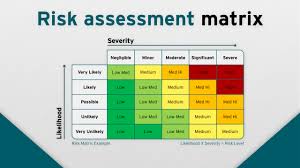
Credit risk refers to the possibility that a borrower may default on their financial obligations; a concern that banks must rigorously evaluate before approving any loan. For financial institutions, credit risk assessment goes beyond analysing figures on a balance sheet.
It involves a multidimensional process that combines advanced technology, economic modelling, and human expertise to determine a borrower’s capacity and willingness to repay.
Credit analysts are critical in ensuring that lending decisions are grounded in both data and context. They evaluate business performance, market conditions, and sectoral risks to build a full picture of each applicant’s financial health.
Such detailed assessments not only safeguard banks from losses but also strengthen confidence among borrowers. When lending processes are transparent and reliable, entrepreneurs, especially those in the SME sector, gain greater trust in the financial system, encouraging them to seek legitimate financing to grow their ventures.
Reputation and Capabilities: Key Factors for Lenders
In addition to credit risk, lenders are increasingly scrutinising borrowers’ reputations and operational capabilities in lending decisions. Banks must assess the track records of businesses applying for loans, examining factors such as financial management practices, the quality of their products or services, and their commitment to fulfilling contractual obligations. A solid history of timely repayments, robust financial controls, and a transparent operational structure can greatly enhance a company’s chances of securing funding.
Current Landscape of Non-Performing Loans in Nigeria
Recent Q3 2025 reports indicate stabilisation and improvements in non-performing loans (NPLs) across several Nigerian banks, driven by enhanced recovery initiatives, regulatory reclassifications, and proactive provisioning. While economic pressures such as inflation and FX volatility persist, these developments underscore the importance of robust credit risk management. Notable banks with updated NPL metrics include:
Access Bank: Recorded an NPL ratio of approximately 2.8% in its Q3 2025 financial report, demonstrating superior asset quality and leadership among Tier-1 peers through aggressive loan recoveries and strong coverage.
Zenith Bank: Reported NPLs of around 3.0%, marking a continued decline from prior periods via write-offs and portfolio monitoring, supporting sustained profitability with a ROAE above 25%.
First Bank of Nigeria: Saw its NPL ratio improve to approximately 8.5%, a reduction from earlier highs. However, it remains elevated and highlights the need for ongoing enhancements in risk frameworks and impairment strategies.
Guaranty Trust Bank: Noted an NPL ratio of 4.5%, reflecting positive momentum with improved coverage at 146.9%, even as the loan book expanded 20.5% to N3.36tn.
United Bank for Africa (UBA): Reported NPLs of about 5.6%, maintaining stability amid 10% loan growth and economic headwinds, with coverage at around 58% bolstering resilience.
Ecobank Nigeria: Experienced an NPL ratio of around 5.3% at the group level (proxy for Nigeria operations), benefiting from remediation programs that reduced ratios from 6.7% in December 2024.
Stanbic IBTC Bank: Recorded an NPL ratio of approximately 4.2% in its H1 2025 financial report, with a management target below 5% for the full year, supported by effective write-backs and resilient asset quality amid strong profit growth.
The stabilising NPL landscape across these institutions points to a maturing banking sector response to challenges, with the average NPL rate across Nigerian banks estimated at around 5.0% as of Q3 2025. This progress reinforces the critical role of effective credit risk assessment strategies in maintaining financial stability and fostering long-term economic growth.
While 11 banks exceeded the 5% threshold in April 2025 (pushing the industry average to 5.62%), subsequent reports show stabilisation or declines, with IMF projections at 4.5% (expected to rise modestly). High impairment charges (N1.96tn across the top 8 banks in 9M 2025) signal caution, but effective risk management has mitigated systemic risks.
Rigorous due diligence and “enhanced credit assessments” remain vital, especially for outliers like FirstBank, Access Bank, Uba, and others, but the sector’s average stability (projected ~3.8-4.5% for full-year 2025) suggests improved resilience.
Broader Impacts: Creating a Supportive Ecosystem
In light of this context, the commitment to provide financing for businesses, especially SMEs and local businesses, accelerates local production and boosts home-grown products and services; thereby contributing to the drive for ‘Made in Nigeria’ products – a crucial stimulant for the Nigerian economy. Financial institutions are increasingly aware that supporting local businesses can yield significant economic benefits while ensuring a more robust and resilient banking environment. By dedicating resources to encourage sustainable lending practices, banks can foster innovation and growth among local businesses.
Ultimately, a supportive ecosystem for local businesses, characterised by adequate financing and a commitment to community development, is essential for the overall growth of the economy. As banks navigate the challenges of credit risk assessment, their efforts not only help to sustain individual enterprises but also contribute to the long-term health and prosperity of the national economy.
Nigeria has signed agreements with more than 100 countries to track income earned by remote workers and online professionals, in a move aimed at strengthening tax compliance, the Chairman of the Presidential Committee on Fiscal Policy and Tax Reforms, Taiwo Oyedele, has revealed.
Speaking during a webinar hosted by the National Orientation Agency on Wednesday, themed “Simplifying Nigeria’s Tax System”, Oyedele addressed concerns about taxation in the digital economy, particularly for remote workers earning from international companies.
“Whether you earn your income from Google, or XYZ Limited in the Bahamas, every remote worker in Nigeria is required to declare their earnings. Failure to do so will trigger intelligence-gathering mechanisms once the money hits your bank account,” Oyedele said.
Tracking Overseas Assets
The government already monitors transactions flowing into Nigeria and has leveraged the Common Reporting Standards (CRS) framework to receive data from partner countries on Nigerians with money or properties abroad.
“We see this money coming to your Dollar Bank account. If you put funds abroad, we have agreements with over 100 countries — from Dubai to the US, Canada, and the UK — to provide us with information on assets held by Nigerians overseas,” Oyedele said.
He urged compliance, warning that the government will act against defaulters. “The primary obligation is to do the right thing yourself. If you fail, the government will issue a presumptive assessment, and you will be required to account for it,” he added.
Oyedele highlighted how Nigeria engaged with major technology companies three to four years ago to address discrepancies in Value Added Tax (VAT) obligations between traditional businesses and online platforms.
“If a brick-and-mortar shop sells a phone and charges VAT, why should an online seller avoid it? We engaged these companies, addressed their concerns, and reached agreements. Today, Nigeria is collecting billions of naira from digital platforms without confrontation,” he noted.
Acknowledging inconsistencies in the recently signed tax legislation, Oyedele explained the differing turnover thresholds in the Nigerian Tax Administration Act and the Nigerian Tax Act, which list N100 million and N50 million, respectively.
“This discrepancy arose during gazetting after President Bola Tinubu signed the bills into law on June 26, 2025. Despite spending three months attempting corrections, we have decided to proceed while preparing amendments for next year. The minimum threshold for exemption will be N100 million,” he said.
Oyedele also clarified that Nigeria’s new Capital Gains Tax (CGT) framework will not retroactively tax investment gains earned before 2026. A cost-basis reset and grandfathering clause will ensure that only new profits made after the reform takes effect on January 1, 2026, are subject to the tax.
“The intention is to preserve old gains while applying the tax fairly to new earnings. Let’s move forward so our good becomes better, rather than waiting for it to be perfect,” Oyedele concluded.
The Nigerian Senate has called on the Minister of Finance and Coordinating Minister of the Economy, Wale Edun, to urgently review the recently introduced 30 percent Capital Gains Tax (CGT) on large share sales, following a staggering N2 trillion loss at the Nigerian Stock Exchange last week.
The tax, embedded in the newly passed Nigerian Tax Act 2025, increases CGT on share disposals of N150 million and above from 10 percent to 30 percent, with implementation scheduled to begin in January 2026.
Senate Committee Raises Alarm
Senator Osita Izunaso, Chairman of the Senate Committee on Capital Market and Institutions, appealed on Wednesday while presenting a paper titled “Redefining the Rules: The Investment and Securities Act 2025 and the Future of Nigeria’s Capital Market” at the Moneyline with Nancy Investment Forum 2025 in Abuja.
Izunaso warned that the sudden tax adjustment has unsettled investors, triggering panic-driven share disposals that slashed market value by more than N2 trillion within a week. He commended President Bola Ahmed Tinubu for the renewed vibrancy in Nigeria’s capital market since 2023, crediting reforms that stabilized the macroeconomic environment and enhanced policy coherence.
“However, there is something worrisome. The recent development under the Nigerian Tax Act 2025, particularly the increase in Capital Gains Tax on share sales above N150 million, has raised understandable concern among investors. Anticipating this change, major investors have offloaded shares, resulting in a notable decline in market capitalization over the past few days,” he said.
Highlighting the need for balance, Izunaso noted that while taxation is essential for national revenue, fiscal policies must be designed to maintain investor confidence and encourage long-term investment.
“While taxation is essential, it is equally critical that fiscal measures do not inadvertently undermine investors’ confidence or discourage capital formation,” he said.
The Senate Committee plans to engage Minister Edun, urging him to explore mechanisms to address investor concerns, ensuring both domestic and foreign investors remain confident in the Nigerian market. Izunaso suggested that the Minister exercise discretion in implementing aspects of the new tax law, especially provisions with far-reaching implications for capital formation and market stability.
“We understand the new law is set to commence in January 2026. However, certain provisions should only take effect when advised by the Honourable Minister to the Executive. This is one of those measures that should not start on January 1, given its immediate impact on the market,” he explained.
Clarifications from the Federal Government
The Chairman of the Presidential Fiscal Policy and Tax Reforms Committee, Taiwo Oyedele, recently clarified that the new CGT framework will not retroactively tax investment gains made before 2026. A cost-basis reset and grandfathering clause will preserve prior gains while applying tax only to profits earned after the reform takes effect.
Meanwhile, Nairametrics reported that Minister Edun has pledged a cautious and consultative approach in implementing the tax reforms, particularly the contentious CGT on securities transactions, signalling the government’s awareness of investor sensitivities.
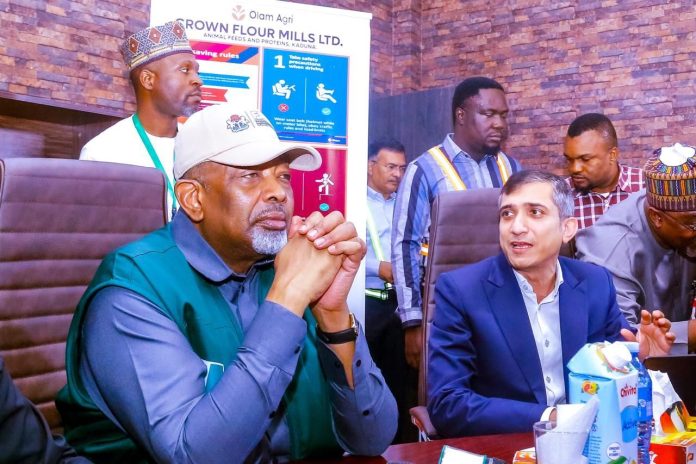
The Honourable Minister of Agriculture, Senator Abubakar Kyari, and Business Head, Integrated Feed & Protein (IFP), Olam Agri, Amit Agarwal, during the National Council on Agriculture and Food Security (NCAFS) delegation courtesy visit to Olam Agri IFP facility in Kaduna State recently.
The National Council on Agriculture and Food Security (NCAFS), Nigeria’s apex policy-making and coordinating body for the agricultural sector, convened its annual summit with a renewed commitment to achieving national food sovereignty and security in Kaduna this week.
The Council, comprising federal and state ministries of agriculture, development partners, research institutions, and private sector stakeholders, continues to drive strategic initiatives aimed at reducing reliance on food imports and ensuring universal access to safe and nutritious food for all Nigerians.
As part of the summit’s official activities, the Honourable Minister of Agriculture, Senator Abubakar Kyari; the Honourable Minister of State for Agriculture, Senator Dr. Aliyu Sabi Abdullah; the Permanent Secretary of the Federal Ministry of Agriculture, Dr. Marcus Olaniyi Ogunbiyi; and all 36 State Commissioners of Agriculture undertook a courtesy visit to the Olam Integrated Feed and Protein (IFP) facility in Kaduna State on 5th November 2025. The visit served as a recognition of Olam’s exemplary contribution to Nigeria’s agricultural transformation.
As one of the largest integrated agribusinesses in the country, Olam operates across the entire agricultural value chain—from feed milling and poultry production to rice processing, grain trading, and animal protein development.
During the visit, Olam Agri – IFP Business Head, Amit Agarwal, provided the delegation with a comprehensive overview of the facility’s layout, operational capacity, and strategic growth projections.
The Council commended Olam’s commitment to innovation, scale, and sustainability, positioning the company as a model for private sector engagement in strengthening Nigeria’s food systems.
This engagement underscores the Council’s commitment to fostering public-private partnerships that drive agricultural development and enhance food security nationwide.