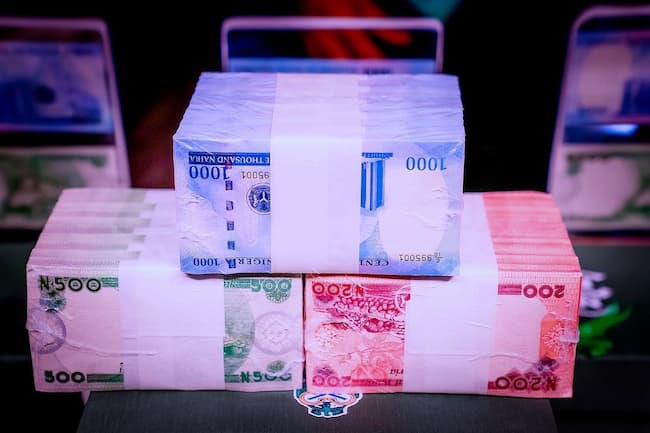
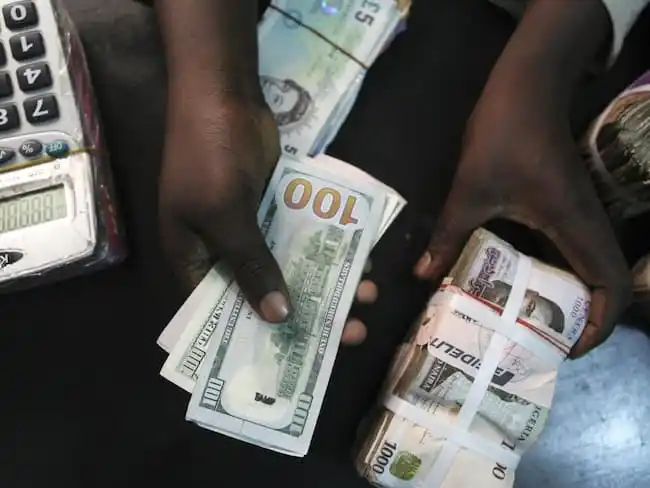
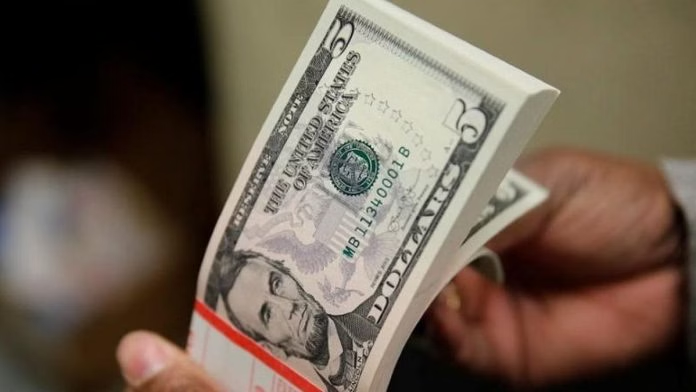
Nigeria’s local currency, the naira, maintained stability in the official foreign exchange market on Thursday, trading within the N1,546.15–N1,550 range against the U.S. dollar, following a liquidity injection by the Central Bank of Nigeria (CBN).
The apex bank supplied approximately $41 million to authorized dealer banks to ease pressure on the forex market. This intervention came amid heightened demand for dollars from corporates and businesses seeking to meet operational and import obligations.
Compared to May, when the CBN injected $580 million to defend the naira, the June intervention represents a significant scale-down. However, analysts note that the reduced intervention is strategic and reflects improvements in FX inflows from other channels.
Despite the fresh injection, Nigeria’s gross external reserves dipped below the $38 billion threshold, largely due to ongoing forex outflows. The reserve depletion remains a concern for long-term currency stability.
Meanwhile, global crude oil prices surged on Thursday due to escalating hostilities between Israel and Iran, stoking fears of a broader Middle East crisis that could disrupt oil supplies. Brent crude closed at $78.85 per barrel, up $2.15 or 2.8%, while West Texas Intermediate (WTI) climbed $2.06 to settle at $77.20 per barrel.
The rally in oil prices was driven by investor concerns over potential U.S. intervention in the regional conflict, which could amplify geopolitical risk in oil-exporting territories.
Gold prices remained relatively unchanged as the safe-haven asset was buoyed by geopolitical tensions but tempered by hawkish signals from the U.S. Federal Reserve. Spot gold slipped 0.1% to $3,365.79, while U.S. gold futures dropped 0.7% to $3,382.80.
Market analysts suggest that while energy prices may remain volatile in the short term, the geopolitical risk premium is likely to ease once tensions in the Middle East subside.
The Federal Government of Nigeria has successfully raised N47.355 billion through its third Sovereign Green Bond issuance, drawing a significant level of interest from investors who subscribed to a total of N91.42 billion—an oversubscription of 183%. This was revealed by the Debt Management Office (DMO), which conducted the auction on behalf of the federal government.
Originally offering N50 billion worth of bonds for subscription, the DMO said the strong demand underscores the increasing confidence in Federal Government Securities. The green bond, allotted at a coupon rate of 18.95% per annum, will support eco-friendly projects outlined in the 2024 Appropriation Act.
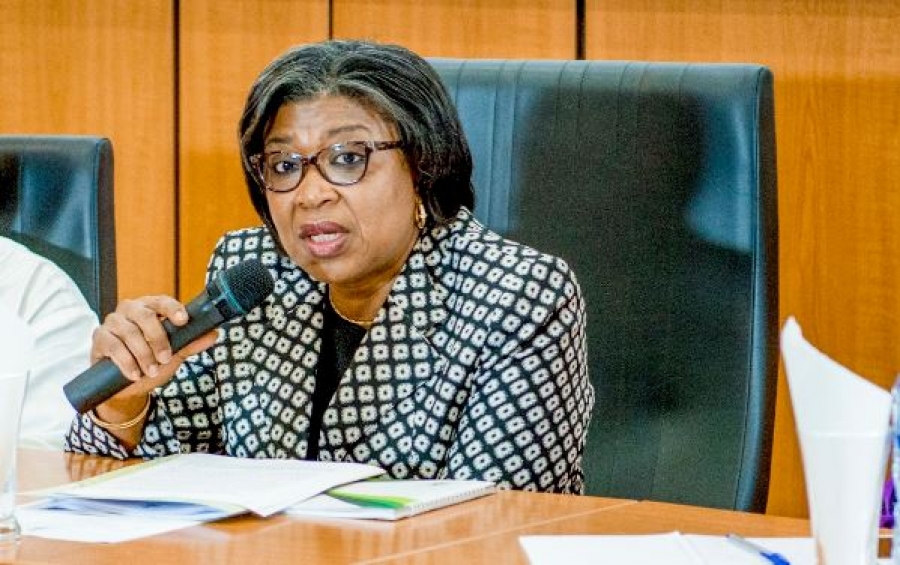
In a press statement, DMO Director-General Patience Oniha emphasized the strong investor turnout as a reflection of growing trust in Nigeria’s commitment to sustainable financing and climate-focused development. She noted that the green bond proceeds will be directed toward initiatives supporting Nigeria’s Nationally Determined Contributions (NDCs) under the Paris Agreement, including the long-term objective of achieving net-zero carbon emissions by 2060.
“The remarkable uptake from investors demonstrates their belief in Nigeria’s climate goals and our trajectory in green financing,” Oniha said. “This is another milestone in our journey to embed sustainable development into public sector funding.”
The DMO also hosted an investor engagement forum in Lagos ahead of the bond’s issuance, where Oniha reaffirmed that Nigeria’s green bonds were an instrumental tool in addressing the impacts of climate change. She traced the nation’s climate financing trajectory back to earlier issuances in 2017 and 2019, which cumulatively raised over N25 billion.
The five-year bond aims to finance targeted infrastructure and renewable energy projects, thus reinforcing the country’s environmental resilience. The initiative also contributes to the deepening of Nigeria’s capital market by diversifying available investment instruments.
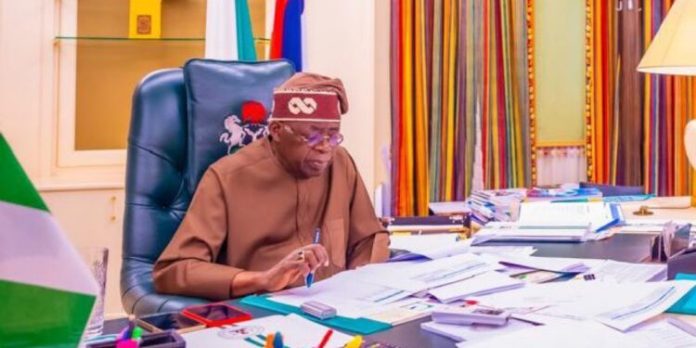
President Bola Ahmed Tinubu has reaffirmed the federal government’s dedication to economic reforms aimed at making Nigeria a business-friendly environment, with a strong emphasis on private sector participation and infrastructure development.
Speaking through the Minister of State for Industry, Trade, and Investment, Senator John Eno, during the 65th Annual General Meeting and Conference of the Nigerian Association of Chambers of Commerce, Industry, Mines and Agriculture (NACCIMA) in Ilorin, Tinubu said the administration would work in close synergy with stakeholders to realize economic growth.
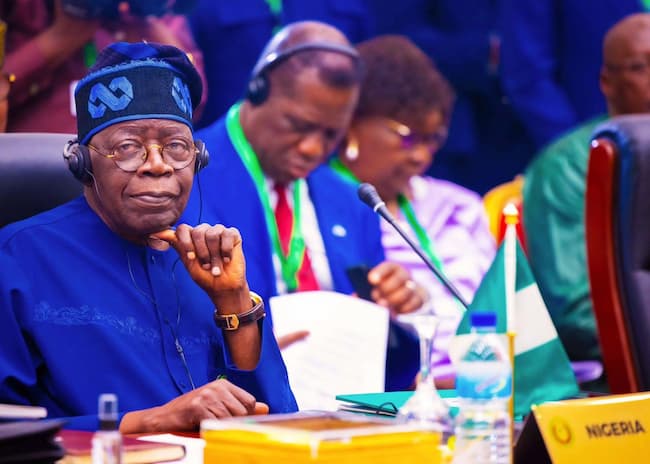
“We remain steadfast in implementing reforms that ease doing business, accelerate infrastructural growth, and stimulate critical sectors of the economy,” Tinubu stated. “A private-sector-led economy, underpinned by strategic public-private partnerships, remains our best bet for achieving lasting national prosperity.”
The president encouraged NACCIMA leadership to collaborate closely with relevant federal agencies and ministries to attract foreign and domestic investments while boosting trade activity. He specifically urged newly inaugurated NACCIMA President, Jani Ibrahim, to apply his vast experience and networks in repositioning the association as a catalyst for economic advancement.
Governor AbdulRahman AbdulRazaq of Kwara State, represented by Deputy Governor Kayode Alabi, highlighted the state’s strategic advantages in agriculture, tourism, infrastructure, and innovation. He called on economic institutions to leverage Kwara’s favorable climate and location to drive business development and food security.
Attorney General of the Federation, Prince Lateef Fagbemi, also addressed the gathering, pledging robust legal reforms to protect investments and foster a secure business environment. He referenced key national policies such as the 2024 Arbitration Policy and the 2024–2028 Justice Policy as central pillars of economic policy modernization.
According to Fagbemi, “We are reforming our legal landscape to attract global investors by ensuring transparency, fairness, and the sanctity of contracts. These initiatives are critical for building investor trust and promoting sustainable economic progress.”
Jani Ibrahim, in his acceptance speech, pledged to introduce forward-looking reforms to reposition NACCIMA as a vital partner in Nigeria’s economic development journey.
Crude oil prices posted notable gains on Thursday as fresh data on U.S. inventory levels and renewed geopolitical friction in the Middle East signaled tightening global supply. Investor sentiment improved after the U.S. Energy Information Administration (EIA) reported an unexpectedly sharp drawdown in national crude reserves, while Washington’s potential involvement in Israel’s military deliberations on Iran further stoked market volatility.
Brent crude, the international oil benchmark, climbed 0.8% to settle at $75.77 per barrel, up from the previous close of $75.12. U.S. benchmark West Texas Intermediate (WTI) also rallied by 1.2%, closing at $73.83 per barrel compared to $72.98 from the earlier session.
The EIA’s latest figures revealed that U.S. commercial crude inventories plummeted by 11.5 million barrels last week, far exceeding analyst expectations of a 2.3 million barrel drop. The draw brought total reserves down to 420.9 million barrels, roughly 10% below the five-year seasonal average—an indicator of rising demand in the world’s largest oil-consuming nation.
Tensions in the Middle East added another layer of concern for global markets. Axios reported that former U.S. President Donald Trump queried his advisers on the feasibility of using bunker buster bombs to destroy Iran’s Fordow nuclear site. Citing anonymous officials, the report said the Pentagon affirmed the effectiveness of such an operation, although it remains unclear whether Trump was convinced to act.
ABC News added that Trump had shown interest in launching targeted strikes on Fordow, with indications that some operational planning may have already commenced.
These developments come at a time of heightened scrutiny over the region, which holds a substantial portion of the world’s oil reserves. Analysts warn that escalating hostilities between Israel and Iran could significantly disrupt global energy supplies, potentially pushing prices even higher.
Meanwhile, the U.S. Federal Reserve’s decision to keep interest rates steady at 4.25% to 4.50% also played a role in oil price momentum. Following the two-day Federal Open Market Committee (FOMC) meeting, the Fed cited persistent labor market strength and elevated inflation as reasons for maintaining current monetary policy. Some market observers anticipate that rate cuts may still occur twice in the year, which could weaken the dollar and further stimulate oil demand.
NCC In Talks With SpaceX On Satellite-Broadband Services
Nigeria has entered a strategic partnership with Chinese firm Galaxy Space to pioneer direct-to-device (D2D) satellite communication technology in the country. The agreement was formalized through a Memorandum of Understanding (MoU) signed by the National Space Research and Development Agency (NASRDA) and Galaxy Space in Abuja on Wednesday.
Galaxy Space, a leader in the production of Low Earth Orbit (LEO) satellites, will work with NASRDA to deploy advanced broadband systems capable of linking devices directly to satellites—bypassing traditional ground infrastructure like telecom towers.
NASRDA’s Director-General, Dr. Matthew Adepoju, described the development as a major milestone for Nigeria’s space and telecommunications sectors. He emphasized the revolutionary implications of the technology, particularly in bridging the digital divide between urban and rural areas.
“With this innovation, Nigerians can connect their mobile phones, laptops, or workstations directly to satellites, removing the dependency on physical masts and unreliable coverage,” Adepoju stated. He projected that full deployment of the service could be realized before the year ends.
Beyond enhanced connectivity, the collaboration will include capacity building and knowledge transfer to Nigerian engineers, ensuring that the technology can be indigenously produced and sustained.
“It is time we stop depending entirely on imports. This partnership allows us to train local experts and manufacture devices locally,” Adepoju added.
Speaking at the event, Galaxy Space representative Mr. Sam Xiao highlighted Nigeria’s pivotal role as a launchpad for rolling out the technology across Africa. He proposed the joint development of a CubeSat—a compact satellite for low-orbit operations—entirely designed, assembled, and operated by Nigerian engineers.
CubeSats are small, box-like satellites frequently used to test communications systems, perform Earth observation, and support educational and research missions. Their affordability and versatility make them ideal for nations aiming to scale their space capabilities.
D2D technology is regarded as the next big leap in satellite communications. It allows smartphones and digital devices to connect with LEO satellites directly, eliminating the need for traditional terrestrial infrastructure and offering seamless coverage, particularly in hard-to-reach areas.
The partnership marks a critical advancement in Nigeria’s ambition to become a leading hub for space technology and digital connectivity across the African continent.
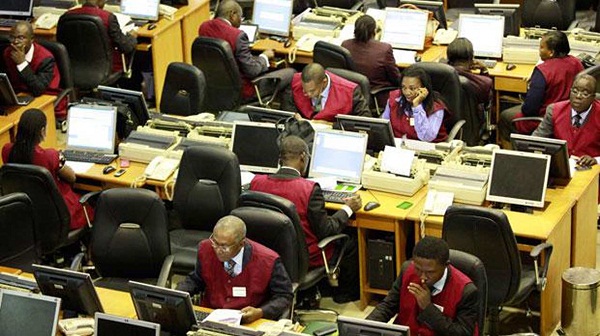
The Nigerian Exchange (NGX) extended its upward trend on Thursday, closing above the ₦74 trillion threshold for the first time as strong investor demand led to a ₦445 billion boost in market capitalization.
The bullish sentiment, which began midweek, continued to gain momentum as bargain hunters targeted undervalued equities across key sectors. NGX’s All-Share Index (ASI) advanced by 704.97 basis points to finish at 117,861.13—representing a daily gain of 0.60% and a record high for the index.
A robust rally in both mid-cap and blue-chip stocks, including BETAGLASS, ETERNA, and STANBIC, contributed significantly to the surge. A total of 42 equities posted gains, far outweighing 20 decliners, underscoring widespread investor optimism linked to improved economic indicators.
Atlass Portfolio Limited reported that trading volume on the NGX rose by 39.67% to 893.97 million units, although the value of transactions dipped by 15.31%, totaling ₦22.03 billion across 17,257 deals.
CHAMPION emerged as the volume leader, commanding 37.34% of all shares traded during the session. It was followed by GTCO (7.04%), PZ (5.24%), ZENITHBANK (4.22%), and ACCESSCORP (4.04%). In value terms, GTCO topped the list, accounting for 22.74% of all market transactions.
On the leaderboard, IKEJAHOTEL recorded the day’s strongest performance with a 10% price appreciation, followed closely by BETAGLASS (+9.98%), LEGENDINT (+9.92%), UPL (+9.85%), and ETERNA (+9.82%). Other notable gainers included LIVINGTRUST and 36 others.
On the flip side, GUINEAINS led the decliners, dropping 9.21%. Other laggards included HMCALL (-5.88%), FIDSON (-4.65%), MULTIVERSE (-2.03%), NGXGROUP (-1.19%), and HONYFLOUR (-0.71%).
All major sectors closed in the green, highlighting the depth of investor interest. The banking sector led with a 2.99% increase, followed by insurance (1.53%), consumer goods (1.02%), oil and gas (0.24%), and industrial goods (0.16%).
The market’s strong performance drove total capitalization to ₦74.36 trillion, reflecting renewed confidence in the Nigerian capital market amid a backdrop of encouraging macroeconomic reforms.
In a move to revitalise the urban landscape and promote environmental sustainability, the Anambra State Government has issued a directive mandating the repainting of unsightly and weather-worn buildings visible from public spaces across major cities in the state.
The initiative, announced on Thursday by the Commissioner for Environment, Dr Felix Odimegwu, targets structures in Onitsha, Awka, Nkpor, Nnewi, and Ekwulobia, as part of efforts to enforce the recently enacted Anambra State Environmental Management, Protection and Administration Law 2024.
According to Dr Odimegwu, property owners and occupants—particularly those whose buildings have not been repainted in over a decade or whose current facades visibly deteriorate the visual appeal of the environment—are required to repaint such structures. The directive applies to both residential and commercial premises situated in high-visibility or “anyaora” areas.
“Starting July 1, 2025, designated inspection teams will commence on-site compliance checks to ensure that building owners adhere to the new environmental regulations,” the commissioner stated.
He explained that the measure is aimed at not only improving the aesthetic outlook of the state’s urban centres but also reinforcing the structural integrity of buildings and expanding green, livable spaces in line with global environmental standards.
“The law empowers us to ensure that our environment reflects beauty, order, and ecological consciousness. A well-maintained building contributes to public health, civic pride, and overall wellbeing,” he said.
The directive, anchored on Part 4, Section 79 (1-7) of the 2024 law, seeks to encourage civic responsibility among residents while creating a visually appealing and eco-friendly Anambra.
Dr Odimegwu also appealed to corporate entities, landlords, and residents to view the policy as a collective mission to uplift the state’s image.
“A clean, green and visually attractive Anambra is not a dream—it is achievable through shared commitment. This is not just about paint; it’s about transforming our urban narrative,” he added.
The government has pledged to provide necessary support to facilitate smooth implementation, while warning that non-compliance will attract sanctions as stipulated by the environmental law.
Welcome to Thursday Chronicles, the one place where we refuse to pretend that everything is fine just because we’ve scrolled past the headlines. Today, we pause the comedy, reduce the trending hashtags, and ask one question: How many more Nigerians must die before the rest of us stop scrolling?
Benue State is in mourning. Again.
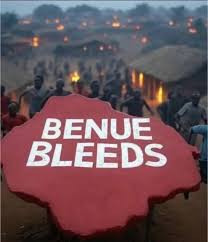
Over the past few days, Yelewata community in Guma Local Government Area was invaded by gunmen suspected to be herdsmen. According to Amnesty International, at least 100 people were brutally murdered. Survivors say it’s over 150. Entire families were wiped out. Some were shot in their sleep. Others were burned alive. Yes, alive.
President Bola Ahmed Tinubu, in a visit to Makurdi this week, condemned the attack and asked the one question on everyone’s mind: “How come there have been no arrests?”
Sir, we’ve been asking that for years.
Let’s be clear: This is not a random outburst of violence. It is a pattern. A deadly, repetitive pattern that has turned Nigeria’s “Food Basket” into a graveyard. And while Benue is crying, the rest of the country is… tired, distracted, or pretending not to notice.
There is something dangerously casual about how we consume news of mass killings in Nigeria. If this were another country, the headlines would read like breaking global news. Here? It’s just another link you click, shake your head, and move on.
What makes this worse? The numbers don’t lie, but no one seems to be counting anymore.
In May, over 60 people were killed in coordinated attacks across Gwer West and Guma LGAs.
Over 6,000 people have reportedly died in the Benue herder-farmer conflict in the past few years.
Hundreds of thousands have been displaced.
And yet, how many actual arrests have been made? How many prosecutions? How many convictions? Your guess is as good as ours.
Now let’s talk about farming, because this isn’t just about bullets, it’s about bread.
Benue feeds Nigeria. From rice to yam to tomatoes, you probably have something grown there in your kitchen right now. But you can’t plant when you’re running. You can’t harvest when you’re hiding. You can’t feed a nation if you’re burying your children.
Studies show that insecurity in agricultural communities reduces productivity by over 20%. Food prices rise. Hunger increases. And the cycle continues.
But who is listening?
Solutions? We have them. We’ve always had them. But the Nigerian tradition is to “condemn attacks” and then… wait for the next one.
Here’s what can be done (and should have been done ages ago):
Actual arrests and prosecutions – Not “investigations.” Not “we’re on top of the situation.” We need names, faces, and jail time.
Community-based security networks – Trained, empowered, and legally recognized local defence forces.
Smart technology – Drones, alert systems, and real-time communication in rural communities.
Policy reform – A grazing policy that protects both herders and farmers with clearly mapped boundaries, and consequences for violators.
Rehabilitation and rebuilding – Trauma care, resettlement, and financial compensation for victims.
Leadership with urgency – No more condolences without consequences.
Let’s be honest: Nigerians are resilient, but we should not have to be this resilient. We are not designed to normalize death. We shouldn’t be experts in grieving. We shouldn’t need “mass burial protocols.”
It’s not bravery. It’s survival. And that survival is breaking.
So what now? Do we wait until the next massacre? Until Benue is just a memory on a dusty map? Or until someone famous is affected and suddenly the country “wakes up”?
Because if you’re thinking, “This doesn’t concern me,” remember: violence spreads. And one day, the story might be about your own village.
This is not just a Benue issue. This is a national failure. A test of leadership. A test of empathy. And a test of our collective humanity.
As you read this, someone in Benue is burying their child. Not because of a natural disaster. But because of failure—of systems, of justice, of leadership.
This has been Thursday Chronicles—where we don’t scroll past the hard truths. May our hearts stay soft enough to feel, and strong enough to act.
Until next week, stay aware, stay engaged, and don’t stop demanding better.
In the wake of escalating insecurity in parts of Benue State, the National Youth Service Corps (NYSC) has swiftly moved corps members from volatile areas to secure lodgings in Makurdi, the state capital.
The State Coordinator, Mrs Veronica Garba, disclosed the development on Thursday during an interview with the News Agency of Nigeria in Wannune, Tarka Local Government Area. She confirmed that the corps members previously stationed in Yelewata and Daudu were safely evacuated following coordinated efforts with security operatives.
“As soon as we received news of the unrest, we contacted the Benue State Commissioner of Police. He immediately deployed officers who helped us relocate the corps members,” Garba explained.
According to her, the individuals were promptly housed in NYSC-approved accommodations, including facilities managed by the Nigeria Corpers Christian Fellowship, National Association of Catholic Corps Members, and Muslim Corpers Association of Nigeria.
“After the evacuation, we conducted a thorough headcount and confirmed that no one was unaccounted for. The corps members have now been resettled in Makurdi, pending a return to their primary assignments once normalcy is restored,” she added.
Mrs Garba assured anxious families that their children were unharmed and under strict supervision. “We prioritise their well-being as we would our own children. Parents should remain calm; their children are safe.”
She expressed confidence that the deployment of top security officials to Benue would stabilise the situation. “With the recent arrival of the country’s security heads, we expect the atmosphere to improve significantly.”
She further urged families to find comfort in faith: “Beyond physical security, we trust God to continue safeguarding the lives of these young Nigerians.”
This comes just a day after President Bola Tinubu visited Makurdi, where he held a high-level meeting with state leaders and ordered security agencies to restore calm and bring perpetrators of the recent killings to justice.
The intervention follows last Friday’s deadly attack in Yelewata, Guma Local Government Area, where dozens were killed by suspected armed herders.
In response to the recent massacre in Yelewata, Guma Local Government Area of Benue State, President Bola Tinubu has inaugurated a high-powered peace committee comprising former governors, traditional rulers, and federal officials, aimed at ending the protracted violence plaguing the region.
The President unveiled the initiative during a town hall meeting in Makurdi on Wednesday, following the gruesome attack that claimed the lives of over 100 residents, with some estimates placing the death toll at nearly 200. The assailants, believed to be armed herders, stormed the community last Friday, torching homes and killing civilians, many of whom were internally displaced persons seeking refuge.
Key members of the peace committee include former military governor Gen. Atom Kpera (retd.), Senators George Akume and Gabriel Suswam, and ex-Governor Samuel Ortom. Also enlisted are the Tor Tiv, HRM Prof. James Ayatse, and the Och’Idoma, HRM Dr John Elaigwu, representing the Tiv and Idoma traditional councils respectively.
Addressing stakeholders at the Government House banquet hall, President Tinubu emphasised the importance of collective action in restoring stability. “Let us reconvene in Abuja and develop a comprehensive roadmap to lasting peace. I am committed to supporting this effort. We will turn this sorrow into hope,” he said.
The meeting was attended by governors from Kwara, Imo, Kogi, Plateau, Ondo, and Nasarawa states, alongside security chiefs, traditional leaders, and key political figures.
Tinubu stressed the need for synergy between Benue and its neighbouring states, particularly Nasarawa, whose governor, Abdullahi Sule, was present. “Traditional rulers and neighbouring states must collaborate. We govern to build lives, not to bury them,” he stated.
Urging residents to support Governor Hyacinth Alia, the President called for inclusivity and the integration of non-indigenes in the peace process. He also assured the people of Federal Government’s unwavering support to break the cycle of bloodshed.
Reacting to the killings, Tinubu directed the Inspector General of Police, Kayode Egbetokun, and the Chief of Defence Staff, General Christopher Musa, to swiftly apprehend the perpetrators. “There must be arrests. I appreciate the efforts of our military, but we need results. Criminals must face justice,” he charged.
He further tasked heads of intelligence agencies to overhaul surveillance systems to prevent future attacks. “We need actionable intelligence. The DSS and NIA must retool and ensure such horrors are never repeated,” he said.
In a humanitarian gesture, Tinubu visited victims at the Benue State University Teaching Hospital, Makurdi, and urged for increased blood donations to assist those undergoing treatment. He appealed to the state government to allocate land for ranching, directing the Ministry of Agriculture to oversee implementation.
“I came here hoping to commission projects, not to console widows. We must value human life above livestock. We are elected to govern, not mourn,” Tinubu declared.
Governor Alia, in his remarks, requested a Special Intervention Fund to support communities ravaged by persistent violence. He proposed that the fund be used for rebuilding homes, rehabilitating victims, and restoring lost livelihoods.
“While we grieve, we seek the Federal Government’s support in rebuilding affected communities. We also renew our call for state policing as a long-term solution,” Alia said, pledging his administration’s full commitment to a secure and thriving Benue.
Speaking at the forum, Tor Tiv, Prof. Ayatse, commended Tinubu for his physical presence at the scene of the tragedy—making him the first sitting President to do so. However, he strongly rejected the common narrative describing the conflict as communal clashes.
“Mr President, this is not a herder-farmer issue. It is a deliberate and systemic campaign of displacement and extermination. Mislabeling this crisis has contributed to inadequate responses. It is a genocidal invasion,” the monarch warned.
He condemned political figures allegedly exploiting the violence for personal gains and warned against attempts to leverage the crisis to trigger a state of emergency. “Anyone who prays for further bloodshed to serve political ends is an enemy of Benue,” he said.
Appealing for urgent intervention, he added, “Mr President, restore our peace. Let our people go back to farming. You did it in Kaiama, Kwara — do it again here.”
The Northern Elders Forum also issued a stern statement on Wednesday, condemning the carnage and holding authorities accountable. Describing the situation as “genocide enabled by negligence and political indifference,” the group said Benue’s agricultural future and socio-economic fabric are disintegrating.
“The government has failed to act decisively. Communities have become slaughter fields, with displaced populations languishing in dire conditions,” said Professor Abubakar Jiddere, the forum’s spokesperson.
He noted that Guma and Logo LGAs have witnessed the annihilation of hundreds in recent days, with overwhelmed hospitals and IDP camps at breaking point.
“This is not an ethnic war. It is a political failure that has allowed terror to thrive,” the statement concluded.
Also reacting, the Concerned Christian Youth Forum called on authorities to take immediate steps to protect citizens and restore order. In a statement by its convener, James Adama, the group lamented the suffering endured by the Benue people and called for a united front to counter the insecurity.
“The scale of killings is beyond comprehension. Leaders must act now. The youth must be vigilant and engaged in protecting their communities,” the group urged.
inDrive, a leading global ride-hailing platform operating in nine African countries, is set to host Safety Education Summit 2.0, scheduled to take place on Friday, June 20, 2025, at the NECA House, Plot A2, Hakeem Balogun Street, Central Business District, Alausa, Ikeja, Lagos.
The summit, which is in its second edition, is a strategic event dedicated to enhancing passenger and driver safety across Nigeria’s ride-hailing ecosystem. It is designed to foster dialogue, share insights, and promote innovation in safety practices across Nigeria’s transport landscape.
Building on the success of its inaugural edition, this year’s summit will bring together government regulators, law enforcement agencies, transportation authorities, industry leaders and players to address safety concerns and explore collaborative solutions for safer urban mobility.
During the event, inDrive will unveil and demonstrate some of its latest safety-driven innovations, including live ride-tracking, SOS integration for real-time emergency response, and a rapid incident support system designed to ensure swift intervention in case of emergencies during trips.
The summit will also feature keynote speeches from senior representatives of the Federal Road Safety Corps and the Nigerian Police Force, who will share national perspectives on road safety enforcement and passenger protection.
In addition, participants will engage in thought-provoking panel discussions that highlight emerging safety technologies, regulatory trends, and the importance of public-private partnerships in achieving sustainable transportation safety goals.
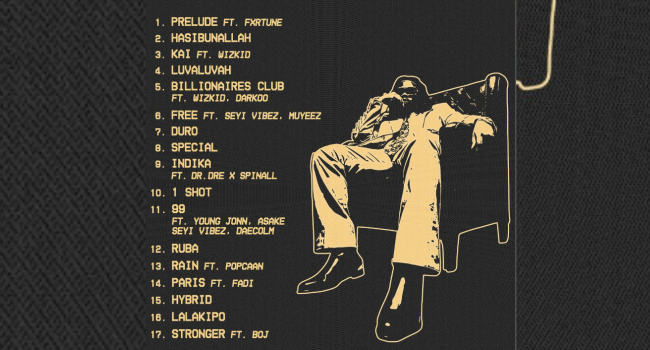
Nigerian rap icon and YBNL boss, Olamide Adedeji, popularly known as Olamide, has officially released his highly anticipated 11th studio album, Olamidé, today, Thursday, June 19, 2025.
The 17-track project is already making waves, featuring a mix of Nigerian and international stars that reflect Olamide’s genre-bending reach and global ambition. Collaborators on the album include Wizkid, Asake, Seyi Vibez, Young Jonn, BOJ, Darkoo, Daecolm, DJ SPINALL, and rising voices like Muyeez and FXRTUNE. Notably, American hip-hop legend Dr. Dre and Jamaican dancehall star Popcaan also make appearances.
Sharing the tracklist and cover art on Instagram ahead of the release, Olamide wrote: “Big thanks to every beautiful soul that made this possible!!! #OLAMIDÉ Out 19th of June. Wabillahi Taofeek.”
The album includes previously released singles “Kai” and “99.” “Kai,” which reunited Olamide and Wizkid after more than a decade since their breakout hit “Omo To Shan,” had already stirred anticipation when it dropped in April. Wizkid appears twice on the album, signaling a deepening of their long-running creative bond.
Just last week, Olamide released “99,” a high-energy track featuring Asake, Seyi Vibez, Young Jonn, and Daecolm, produced by Willis. The song offered a vibrant glimpse into the project’s direction and reaffirmed Olamide’s knack for curating dynamic collaborations.
Asake’s appearance on the project is particularly notable amid speculation of tensions following his departure from YBNL to launch his own label, Giran Republic, in February. His inclusion suggests that professional ties between the former label mates remain intact.
Other tracks on the album include Billionaires Club, Free, Indika, Stronger, and Rain, all hinting at a rich blend of hip-hop, Afrobeats, dancehall, and experimental sounds.
Olamidé follows Olamide’s 2023 album Ikigai, which featured standout tracks like Metaverse, Hello Habibi, and Uptown Disco with Fireboy and Asake. His discography also includes UY Scuti, Carpe Diem, and the collaborative EP Unruly.
With over a decade of hits, industry influence, and a legacy of mentoring top talents such as Adekunle Gold, Lil Kesh, Fireboy, and Asake, Olamide continues to shape the Nigerian music landscape—this time, with one of his most globally ambitious projects yet.
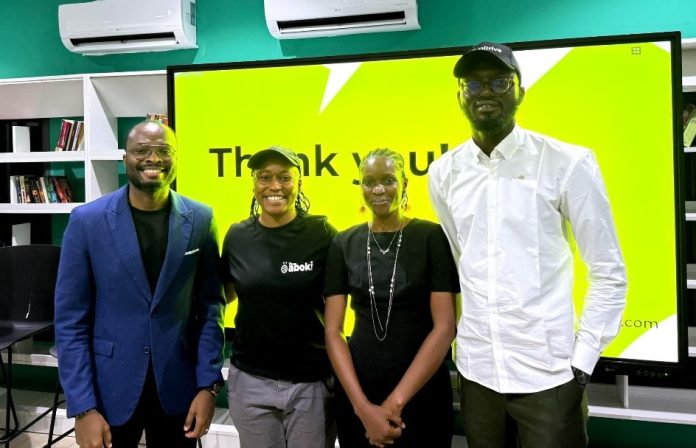
At a time when trust, transparency, and fairness are increasingly demanded from digital platforms, inDrive — the global mobility and urban services platform — took centre stage at Founder’s Friday in Abuja to engage in dialogue with Nigeria’s growing innovation ecosystem. The event, which draws over 4,000 startup founders, tech professionals, and changemakers monthly, served as a dynamic space for the company to listen, learn, and collaborate on reimagining mobility in Africa.
Unlike traditional appearances focused on pitching services, inDrive’s participation emphasised community engagement and the value of co-creating solutions. The company’s representatives — including Nigeria Country Representative, Timothy Oladimeji — joined panel discussions, interacted with local entrepreneurs, and conducted live feedback sessions aimed at deepening its understanding of user needs in an ever-evolving urban environment.
“Founder’s Friday wasn’t just a platform for visibility — it was a platform for connection,” said Oladimeji. “We didn’t come to talk to people. We came to listen. Because fairness in mobility can’t be imposed from the top — it has to be built alongside those who use and power the platform every day.”
Challenging the Norm: Why Mobility Needs a New Playbook
Across Africa, ride-hailing has become essential to daily life — connecting people to work, education, healthcare, and social opportunities. But the sector has long operated within models that limit user choice, apply high commission fees, and rely heavily on algorithmic fare structures that can obscure pricing and reduce trust.inDrive offers a distinct approach: allowing riders and drivers to negotiate fares directly. This fare-bidding model, once seen as unconventional, is gaining attention for its ability to restore user agency, reflect local economic dynamics, and introduce transparency into the ride-hailing transaction.
“There’s a growing shift from algorithmic control to human negotiation,” Oladimeji noted. “It’s about dignity and choice — two things that shouldn’t be rare in mobility services.”
Fair Earnings, Not Flashy Incentives
Another theme that emerged during Founder’s Friday was the increasing importance of sustainable driver earnings. While many platforms operate on commission rates as high as 25–30%, inDrive caps its commission at 9.99% in monetized cities. This enables drivers to earn more while keeping ride costs competitive for passengers — without the need for complex incentive structures that can create financial uncertainty.
Safety Through Transparency and Empowerment
inDrive’s user-centric model also extends to safety. Beyond features like real-time trip tracking and SOS buttons, the platform empowers users with visibility and choice: passengers receive multiple driver offers and can select based on rating, vehicle type, estimated arrival time, and user feedback. This transforms safety from a passive feature into an active decision-making process.
Co-Creating the Future of African Mobility
As Africa’s cities grow and mobility needs become more complex, inDrive is looking beyond ride-hailing. The platform has already expanded into courier and freight services in parts of the continent, and sees itself evolving toward a broader super-app offering — one that connects people not just to transport, but to opportunity.
The company’s participation in Founder’s Friday underscored a core belief: that the future of mobility will be shaped by the people who use it. Through local partnerships, active community engagement, and ongoing feedback loops, inDrive is committed to developing solutions that are not only tech-driven, but also locally relevant and socially inclusive.
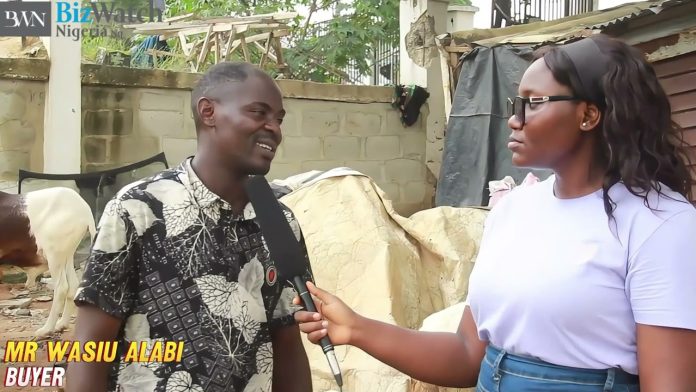
As Muslims across Nigeria mark the holy Eid al-Adha (Sallah), the soaring cost of rams has sparked frustration and public outcry. We hit the streets to hear what Nigerians really think about the skyrocketing prices during this important religious holiday.
Watch now to hear raw, unfiltered reactions from everyday Nigerians—this is the Sallah story no one is telling!
Don’t forget to like, drop your thoughts in the comments, and subscribe for more street reactions and trending Naija content.
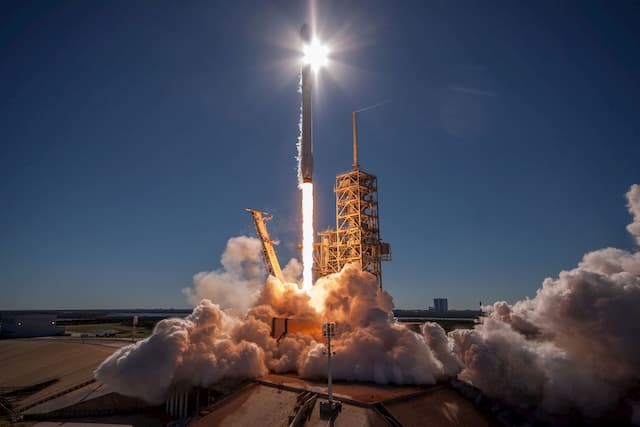
A critical SpaceX prototype of its Starship upper stage was obliterated in a fiery explosion on Wednesday night, marking a significant disruption in the aerospace giant’s testing timeline. The incident occurred at the company’s Starbase facility, located along the Gulf Coast in Texas, just minutes before a scheduled static fire engine test.
Footage provided by LabPadre, a platform known for livestreaming developments at the Starbase site, captured the dramatic moment when the spacecraft erupted into an enormous fireball shortly after 11 p.m. Central Time. The explosion sent searing fragments of debris into the night sky, consuming the test platform in a blaze that resembled the aftermath of a large-scale detonation.
The video clearly depicts two distinct bursts. The first explosion appeared to initiate near the tip of the rocket, quickly followed by a secondary blast emanating from the rocket’s port side. Both eruptions culminated in a colossal inferno that obscured the launch stand completely.
At the time of the failure, the vehicle — identified as Ship 36 — was undergoing fueling, with tanks being loaded with liquid oxygen and partially filled with high-powered liquid methane. These volatile cryogenic propellants may have been involved in triggering the blast. Nearly an hour and a half after the explosion, flames were still visible at the Massey test site, where SpaceX usually performs cold testing and engine hotfires.
SpaceX confirmed the incident in an official update on its X (formerly Twitter) account, stating: “On Wednesday, June 18 at approximately 11 p.m. CT, the Starship preparing for the tenth flight test experienced a major anomaly while on a test stand at Starbase. A safety perimeter was upheld, and all team members are safe and accounted for. Our personnel are currently securing the test area alongside local emergency authorities. There is no danger to nearby residents, and we urge the public to steer clear of the facility.”
The full extent of the damage to the testing infrastructure has not yet been publicly disclosed. While SpaceX is known for rapid response and resilience in the face of hardware failures, the loss of a nearly launch-ready prototype and the apparent destruction of vital infrastructure could present considerable delays. The anticipated test flight, initially slated for late June, has now been pushed back indefinitely.
Ship 36 was scheduled to lift off atop a Super Heavy booster, serving as the integrated vehicle’s tenth flight in a series of uncrewed tests. Static fire runs like this one are routine precursors to launch, allowing engineers to assess new system modifications and ensure reliability under stress.
Since initiating full-scale test flights in April 2023, SpaceX has launched nine Starship-Super Heavy combinations. The early trio of missions ended in catastrophic failures. While the fourth through sixth tests achieved partial success, subsequent flights have had mixed results. Two of the last three missions concluded with Starship explosions, and the third, flown on May 27, entered its target trajectory but disintegrated during atmospheric reentry after losing control.
The stakes of this program are particularly high given that NASA has contracted SpaceX to deliver astronauts to the lunar surface using a specialized version of the Starship. That mission, part of the Artemis program, aims for a landing near the Moon’s south pole within the next few years.
However, the ambitious plan requires SpaceX to execute up to 20 launches of the Super Heavy-Starship system to refuel the Human Landing System (HLS) in low-Earth orbit. The refueling operation itself depends on the success of unprecedented autonomous propellant transfer techniques, in-space fuel storage systems, and thermal control solutions to manage super-cooled methane and oxygen.
With each technical failure, like the one on Wednesday night, the timeline for this groundbreaking mission grows more precarious. The challenge now lies not only in rebuilding the destroyed test asset but also in regaining momentum toward one of the most complex space missions of the decade.
The United Kingdom has officially replaced physical visa stickers with electronic visas (eVisas) for non-European skilled workers and students, effective from June 15, 2025. This development is part of a broader effort to digitise the country’s immigration system and streamline visa processing.
Under the new system, eligible applicants will now receive a digital visa accessible via a UK Visas and Immigration (UKVI) account, rather than a traditional visa vignette sticker placed in their passport. The eVisa acts as a secure digital record of an individual’s immigration status, eliminating the need for physical visa stickers, biometric residence permits (BRPs), and biometric residence cards (BRCs).
The eVisa system currently applies to several key visa categories including:
Skilled Worker (including Health and Care)
Global Business Mobility
Global Talent
International Sportsperson
Temporary Worker
Youth Mobility Scheme
Student Visa
Applicants in these categories are no longer required to submit their passports to visa application centres, significantly reducing delays tied to courier services and manual processing.
Travellers must link their eVisa to a valid passport before entering the UK. At the border, they will be required to present this passport along with a UKVI share code for verification. Expired BRPs or BRCs will no longer be accepted for entry, and travellers who fail to link their eVisa correctly risk being denied boarding.
Individuals who currently hold Indefinite Leave to Remain (ILR) or Indefinite Leave to Enter (ILE) based on expired stickers or ink stamps are encouraged to switch to a No Time Limit (NTL) eVisa. Those under the Windrush Scheme or EU Settlement Scheme are also eligible to update to the new eVisa format.
Managing eVisa Accounts
The UKVI account serves as the central platform for managing immigration status. Through it, users can:
View visa details
Update personal or travel information
Share immigration status with employers, landlords, or institutions using secure share codes
Children under 18 must also have their own UKVI accounts, which are to be managed by a parent or guardian. However, travellers staying in the UK for fewer than 90 days and dependents of primary visa holders will still receive physical visa vignette stickers for now.
The introduction of eVisas marks a major milestone in modernising the UK’s immigration framework. By eliminating reliance on physical documents, the new system aims to enhance security, speed up processing, and provide greater flexibility for users managing their immigration status.
The UK Home Office emphasised that the shift to eVisas does not alter existing rights or entitlements, and that those affected should familiarise themselves with the requirements for account registration and travel preparation under the new system.
The exchange rate between the Naira and the US dollar, according to the data released on the FMDQ Security Exchange, the official forex trading portal, showed that the naira closed at 1595.00 per $1 on Thursday, June 19th, 2025. The naira traded as high as 1547.00 to the dollar at the investors and exporters (I&E) window on Wednesday.
Dollar to naira exchange rate today black market (Aboki dollar rate):
The exchange rate for a dollar to naira at Lagos Parallel Market (Black Market) players buy a dollar for ₦1589 and sell at ₦1595 on Wednesday 18th June, 2025, according to sources at Bureau De Change (BDC).
Please note that the Central Bank of Nigeria (CBN) does not recognize the parallel market (black market), as it has directed individuals who want to engage in Forex to approach their respective banks.
Dollar to Naira Black Market Rate Today
Dollar to Naira (USD to NGN)
Black Market Exchange Rate Today
Buying Rate
₦1589
Selling Rate
₦1595
Dollar to Naira CBN Rate Today
Dollar to Naira (USD to NGN)
CBN Rate Today
Highest Rate
₦1551
Lowest Rate
₦1547
Please note that the rates you buy or sell forex may be different from what is captured in this article because prices vary.
In a strategic move to bolster environmentally sustainable infrastructure, the Federal Government of Nigeria, through the Debt Management Office (DMO), has introduced a ₦50 billion Green Bond offering. This new debt instrument is now open for public subscription at a unit cost of ₦1,000.
In a public announcement released on Tuesday in Abuja, the DMO detailed that the Green Bond is structured as a five-year instrument, with a maturity date set for 2030. It offers a fixed interest rate ranging between 18.75% and 19.25% per annum.
According to the statement, the offer will be available from June 16 to June 18, with a settlement date of June 23. Subscriptions begin at a minimum of ₦10 billion, and additional investments must be made in multiples of ₦1 million.
The DMO confirmed that interest (coupon) payments will be disbursed semi-annually, while the principal will be paid in full at maturity—described as a bullet repayment.
Funds raised through this green instrument will be strictly allocated to climate-resilient projects, in line with Nigeria’s Sustainable Bond Framework. These include initiatives that promote renewable energy, clean transportation, and environmentally sound waste management practices.
The bond qualifies as an approved security under Nigeria’s Trustees Investment Act and is also recognised for tax exemptions under the Company Income Tax Act and Personal Income Tax Act, making it particularly attractive for institutional investors such as pension funds.
Moreover, the DMO confirmed that the bond will be listed on both the Nigerian Exchange Limited and the FMDQ Securities Exchange Limited. Investors are advised to liaise with the designated financial advisors: Chapel Hill Advisory Limited and Stanbic IBTC Capital Limited.
This move reaffirms Nigeria’s commitment to financing its climate goals while simultaneously broadening the domestic capital market.
The Securities and Exchange Commission (SEC) has sounded an alarm over the unregulated promotion of digital tokens known as Zugacoin—marketed under aliases such as SZCB and SZCB2—and a related asset called Samzuga GPT. In an official advisory, the Commission cautioned Nigerian investors against engaging with these digital offerings, which it classified as high-risk.
According to the SEC, neither Zugacoin nor Samzuga GPT has secured registration or operational approval to function within the Nigerian capital market. The regulator emphasized that its initial investigations confirmed both tokens fall under the category of “meme coins”—a type of cryptocurrency typically devoid of tangible value or real-world use cases.
“Meme coins are primarily driven by social media trends and speculative interest,” the statement read. “They often lack fundamental value or utility, leaving them highly vulnerable to manipulation and speculative ‘pump and dump’ schemes.”
The Commission highlighted that in such schemes, promoters often create artificial hype around a digital asset to inflate its price before rapidly offloading their holdings. This orchestrated selloff frequently results in steep price crashes, leaving unsuspecting retail investors with significant losses.
Further reiterating its stance, the SEC stated: “The creators and promoters of Zugacoin and Samzuga GPT are not registered to operate in any capacity in Nigeria’s capital market.”
The Commission urged the investing public to exercise extreme caution and verify the regulatory status of any cryptocurrency or its promoters via its official channels. “Any individual or entity participating in these offerings does so entirely at their own risk,” it concluded.
This warning is part of the SEC’s broader crackdown on the proliferation of unregulated crypto investments in Nigeria, often marketed through flashy social media campaigns and false promises of high returns.
The U.S. dollar registered a mixed performance against major currencies early Wednesday, edging lower ahead of a crucial batch of economic indicators and the Federal Reserve’s rate policy announcement.
Against the euro, the dollar slipped with USDEUR at 1.1497 compared to 1.1485 at Tuesday’s close, although it remained weaker than the 1.1568 level observed earlier in the week.
The British pound also gained ground, with GBPUSD trading at 1.3449, up from 1.3428 the previous day, but still below Tuesday morning’s level of 1.3566. Meanwhile, USDJPY dipped to 144.8620 from 145.2280, reflecting investor caution amid growing uncertainties in Japan’s trade and economic data.
Interestingly, the greenback strengthened against the Canadian dollar, rising to 1.3665 from 1.3646, amid the absence of major Canadian economic releases on the day. However, markets await remarks from Bank of Canada Governor Tiff Macklem later in the session.
The foreign exchange market is bracing for a wave of U.S. economic data, including housing starts, jobless claims, petroleum inventory reports, and the Atlanta Fed’s GDP nowcast update for Q2.
Amid this data-heavy environment, the Federal Open Market Committee (FOMC) is set to announce its interest rate decision later in the day. The CME FedWatch Tool shows a 99.9% probability that rates will remain unchanged, though market participants will closely watch Fed Chair Jerome Powell’s post-meeting press briefing for clues on future policy direction.
The Mortgage Bankers Association reported earlier that mortgage applications declined last week, despite easing rates, underscoring persistent uncertainty in the housing market.
In Europe, inflation and current account data released Wednesday pointed to a slowdown in consumer price gains and a narrowing of the current account surplus. ECB policymakers including Philip Lane and Luis de Guindos are scheduled to speak later in the day.
In Asia, data revealed that Japan’s trade deficit widened significantly in May, while domestic business confidence indicators showed resilience.
The broader currency market remains volatile as investors weigh global central bank policy moves, inflation trends, and geopolitical risks—particularly those emanating from the Middle East.