





Home Blog Page 156

Asian Markets Climb Despite Trump’s Tariff Threats

Nigeria Emerges 5th Most Interested Country In Bitcoin

Hong Kong, July 14 (AFP) – Most Asian markets advanced on Monday as investors shrugged off a fresh round of trade war threats from former U.S. President Donald Trump, who over the weekend vowed to impose tariffs of up to 30 percent on the European Union and Mexico.

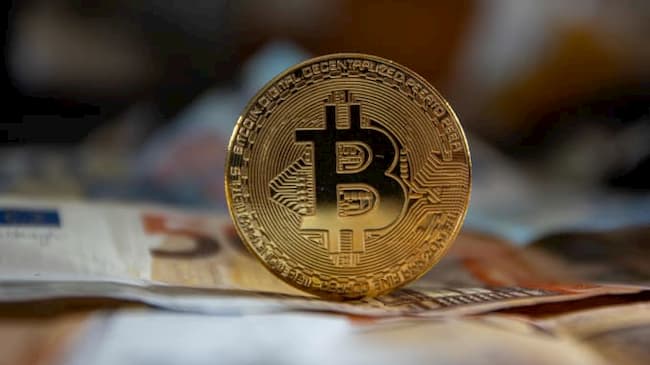
Markets in Hong Kong, Shanghai, Sydney, Seoul, Singapore, Manila, and Jakarta all posted gains, while Tokyo, Wellington, and Taipei saw slight declines. Meanwhile, Bitcoin surged to a new record high, topping $119,490.

The upbeat performance came in the wake of Trump’s latest outburst on Saturday, in which he cited Mexico’s role in drug trafficking and what he called an unfair trade relationship with the EU as justification for the looming tariffs. His threats follow a slew of recent pronouncements, including proposed levies of 50 percent on Brazilian copper, 35 percent on Canadian goods, and up to 200 percent on pharmaceutical imports.

While many analysts warn that escalating tariffs could deal a significant blow to the global economy, investors appear cautiously hopeful. “There’s still optimism that agreements can be reached before the White House’s August 1 deadline,” said one market analyst. “Markets are showing resilience, although it’s unclear if that’s due to confidence or complacency.”

National Australia Bank’s Taylor Nugent added, “It is hard to say whether the muted market response over the week is best characterised by resilience or complacency. But it is difficult to price the array of headlines purportedly defining where tariffs will sit from August 1 when negotiations are ongoing.”

The proposed tariffs have already shaken months of negotiations between Washington and Brussels. Still, European Commission President Ursula von der Leyen on Sunday delayed retaliatory tariffs on U.S. steel and aluminium as a sign of goodwill, saying the EU remains committed to reaching a deal.

French President Emmanuel Macron also urged for a diplomatic solution, stating the need for an agreement “that reflects the respect that trade partners such as the European Union and the United States owe each other.” However, he warned that the bloc must be prepared with “credible countermeasures” if talks collapse.

EU officials had previously threatened to impose tariffs worth €100 billion ($117 billion) on U.S. goods, including autos and aircraft, if negotiations fail.Meanwhile, analysts noted the irony in Trump targeting Mexico and Canada, two countries he struck a trade deal with during his first term in office.

Traders are also watching developments at the Federal Reserve, as Trump continues to ramp up his criticism of Fed Chair Jerome Powell. Speaking Sunday, the former president said, “I hope he quits,” adding, “He should quit.”

Reports indicate that Trump allies are focusing on Powell’s handling of costly renovations at the Fed’s Washington headquarters as a possible basis for removing him from office—an unprecedented move that strategists say could shake confidence in the central bank’s independence, trigger a spike in U.S. Treasury yields, and cause the dollar to tumble.

Key Figures (as of 0230 GMT) include:

  • Tokyo – Nikkei 225: DOWN 0.3% at 39,469.72
  • Hong Kong – Hang Seng Index: UP 0.1% at 24,174.34
  • Shanghai – Composite: UP 0.4% at 3,524.93
  • Euro/dollar: UP at $1.1693 from $1.1690
  • Pound/dollar: DOWN at $1.3496 from $1.3497
  • Dollar/yen: DOWN at 147.01 yen from 147.38 yen
  • Euro/pound: UP at 86.64 pence from 86.59 pence
  • West Texas Intermediate: UP 0.1% at $68.52/barrel
  • Brent North Sea Crude: UP 0.1% at $70.43/barrel
  • New York – Dow: DOWN 0.6% at 44,371.51 (close)
  • London – FTSE 100: DOWN 0.4% at 8,941.12 (close)
1980 AFCON Winner In Critical Condition, Battles For Life

Super Eagles to Play Libya in Tunsia

Kadiri Ikhana, a former Super Eagles defender and member of Nigeria’s victorious 1980 Africa Cup of Nations squad, is currently fighting for his life at the Irrua Specialist Teaching Hospital in Auchi, Edo State. The 68-year-old ex-international was transferred to the facility for emergency blood transfusion and intensive medical care following a rapid deterioration in his health.

The news was confirmed on Monday morning by former Nigerian captain Segun Odegbami, who revealed that Ikhana’s condition had worsened significantly, prompting his transfer to the specialist hospital. “Ikhana has been transferred to the specialist hospital after his condition deteriorated significantly,” Odegbami said.

Austin Braimoh, the immediate past Chairman of the South-South Police Service Commission, is reportedly footing the football legend’s growing medical bills to ensure he receives the urgent care he needs. Ikhana, fondly known as “Kawawa,” remains a revered figure in Nigerian football history.

Ikhana rose to prominence in the late 1970s as a defender for Bendel Insurance FC, before becoming a key part of the Green Eagles squad that secured Nigeria’s first AFCON title with a 3-0 victory over Algeria in Lagos in 1980. After retiring from playing, he transitioned into coaching, where he established himself as one of the most successful coaches in Nigerian domestic football, winning numerous titles and nurturing young talent.

In recognition of his contributions to the sport, Ikhana was conferred with the national honour of Member of the Order of the Niger (MON). He also served as an ambassador for Air Peace and remained active in football advocacy even after stepping away from coaching. His current health crisis has once again highlighted the recurring concerns over the welfare of retired Nigerian footballers. The lack of robust support systems for former athletes has drawn criticism, especially in light of recent deaths within the football community.

Just two weeks ago, Nigeria mourned the passing of former Super Eagles goalkeeper Peter Rufai, who died at age 61 after a brief illness. The repeated tragedies have sparked calls for better healthcare and welfare provisions for ex-internationals who once brought pride to the nation.

Nigeria Approves Air Peace For Direct Brazil Flights

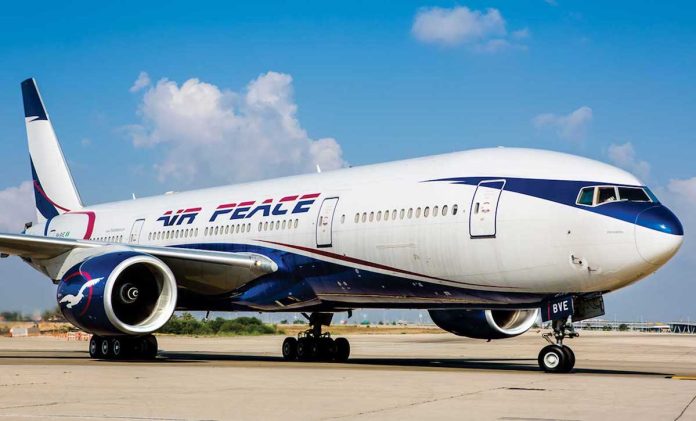
The Nigerian government has approved Air Peace to begin direct flights to Brazil, marking a significant milestone for the country’s aviation sector. Minister of Foreign Affairs, Yusuf Maitama Tuggar, announced the approval, stating that Air Peace can commence operations as soon as it deploys an aircraft for the route.

The decision follows discussions between President Bola Ahmed Tinubu and Brazilian President Luiz Inácio Lula da Silva, aimed at strengthening bilateral ties and enhancing connectivity between both countries.

In a reciprocal move, Brazil’s LATAM Airlines will operate cargo services between Nigeria and Brazil, further boosting trade relations.

The two leaders also explored plans to establish a Maintenance, Repair, and Overhaul (MRO) facility in Nigeria to service Embraer aircraft within West and Central Africa, with the Brazilian government expressing readiness to approve LATAM’s operations once Air Peace finalises its deployment plans.

Air Peace, which has a firm order for 35 Embraer aircraft with five already delivered, is expected to launch the Brazil route soon, opening a new chapter in Nigeria’s international aviation landscape and facilitating trade, tourism, and investment opportunities between the two nations.

Mergers, Takeovers Gain Momentum As Insurance Reform Bill Advances

Insurance

Takeovers and mergers are gaining traction in Nigeria’s insurance industry as stakeholders await presidential assent to the Insurance Industry Reform Bill. On July 2, 2025, the National Insurance Commission (NAICOM) issued new licenses to SanlamAllianz Life and General Insurance in Abuja, following the successful merger between Sanlam and Allianz.

NAICOM’s Commissioner for Insurance, Olusegun Omosehin, urged the merged entity to prioritise good corporate governance and timely claims settlement, expressing confidence that the union would enhance industry growth.

Earlier, Endura Investment Global Limited acquired a 24% controlling stake in Standard Alliance Insurance Plc, leading to the exit of former owners and a rebranding to Fortis Global Insurance. The company has submitted financial statements up to 2020 to the Nigerian Exchange Limited, with further structural changes expected following resolutions from its June 16 board meeting.

These developments come as the Insurance Industry Reform Bill, which has passed both legislative chambers, awaits the President’s signature. The bill seeks to repeal outdated insurance laws and establish a comprehensive legal and regulatory framework for the industry.

Key reforms include a significant increase in minimum capital requirements: non-life insurance to N25 billion from N10 billion, life insurance to N15 billion from N8 billion, and reinsurance to N45 billion from N20 billion, or risk-based capital as determined by NAICOM. The bill retains the “no premium, no cover” principle and caps commissions across various classes of insurance while allowing regulated incentives such as “no claims” discounts and risk improvement incentives.

It also mandates compulsory insurance coverage for group life policies for employees, public buildings, federal assets, petroleum stations, and third-party motor insurance, among others, while introducing a Road Safety and Accident Victims Compensation Fund.

Analysts highlight that the increased capital requirements are intended to bolster financial stability and the industry’s ability to absorb shocks, though smaller operators may face challenges meeting the new thresholds. The bill’s provisions are expected to encourage further mergers and acquisitions within the sector, facilitating the emergence of stronger, well-capitalised players.

Sanlam and Allianz’s merger, which was finalised in September 2023 to form SanlamAllianz Africa, predates the bill but reflects the consolidation trend. The joint venture aims to become a leading pan-African non-banking financial services provider across 27 countries, offering insurance, asset management, and health services.

Fortis Global Insurance is also restructuring its operations, planning to create standalone entities for its life, general, and investment divisions while transitioning to a holding structure. Additionally, emPLE Group’s acquisition of Old Mutual Nigeria’s life and general insurance businesses, completed in 2024, has positioned it to expand its offerings within the country.

Advisory firm Deloitte notes that the reform bill could significantly boost Nigeria’s financial services sector, enabling insurers to retain more risks domestically, improve wealth protection, and support broader economic growth. The bill’s passage is also expected to drive innovation within the sector as insurers leverage technology to expand penetration and efficiency.

Pan-African rating agency Agusto & Co. projects that the bill will trigger a capital injection of approximately N600 billion into the industry, enabling companies to meet the new requirements while enhancing underwriting capacity and resilience.

While challenges remain, stakeholders view the upcoming reforms as an opportunity for the Nigerian insurance sector to strengthen its foundation, improve consumer trust, and play a more impactful role in the national economy as the country pursues its $1 trillion GDP target by the decade’s end.

Katsina Declares Monday Free To Honour Former President Buhari

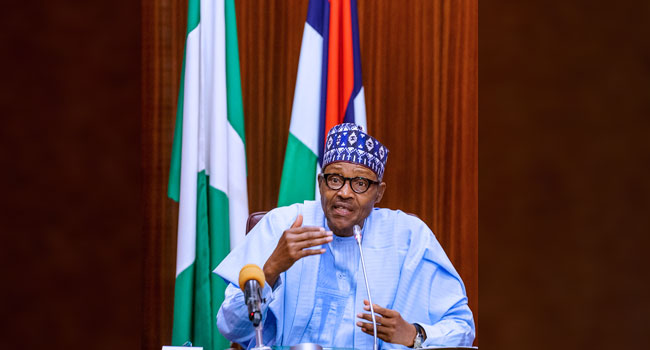
Buhari Compares 'Leading Nigeria To A Difficult Task'

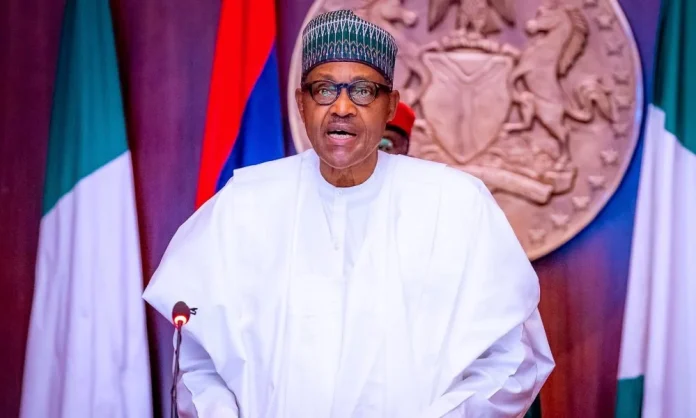
The Katsina State Government has declared Monday, July 14, 2025, as a work-free day to honour the late former President Muhammadu Buhari, who died in London on Sunday at the age of 83.

The announcement was made in a statement released by the Secretary to the State Government, Abdullahi Garba Faskari, on Sunday evening. According to the statement, the decision was taken by Governor Dikko Umaru Radda to allow residents and workers in the state to mourn the passing of the former Nigerian leader.

“The Governor of Katsina State, His Excellency, Malam Dikko Umaru Radda, PhD, CON, has declared Monday, 14th July 2025, as a work-free day in the State. This follows the demise of Nigeria’s former President, Muhammadu Buhari, GCFR, who died earlier this evening of today (13th July 2025) in London,” the statement read.

Governor Radda described Buhari as “a great leader, a hero, a true democrat and a patriotic elder statesman whose life was dedicated to the service of Nigeria.” He extended his condolences to the late president’s family, the people of Katsina State, and the entire nation.

He also prayed for Allah’s mercy on Buhari’s soul and for his admittance into Aljannatul Firdaus. The statement noted that further details regarding burial arrangements would be announced in due course.

Airlines Seek State Government Support Amid Funding Crunch

Airlines
Airfares Skyrocket over Shortage of Flights

Airline operators in Nigeria are increasingly partnering with willing state governments to gain easier access to financing and credit guarantees as they navigate industry challenges.

Financial institutions are typically more open to lending to state governments due to the legal and contractual structures backing such borrowing. Airlines are leveraging this by collaborating with states to address issues such as inadequate maintenance facilities, global aircraft shortages, and insurance hurdles, all of which complicate their ability to secure dry lease aircraft.

A dry lease agreement involves the lessor providing only the aircraft, while the airline (lessee) takes full responsibility for crew, maintenance, and insurance.

Through these partnerships, some state governments have launched new carriers under existing airlines, allowing immediate operations while certification processes for the states’ airlines are completed. Stakeholders see this as a win-win model, enabling airlines to utilise more aircraft while states stimulate local economies, create high-paying jobs, and boost investment, tourism, and commerce.

“States are better capitalised than the private sector and have access to cheaper funding, credit, and foreign exchange,” said Alex Nwuba, vice president of the Aviation Safety Round Table Initiative (ASRTI). “This model benefits airlines with additional aircraft to pay staff and overheads, while states can quickly drive economic activities.”

Current partnerships reflect this model. Aero Contractors, for instance, is working with the Cross River State government to operate Cally Air, using two Boeing 737 aircraft owned by the state while discussions continue to expand the fleet.

Enugu Air has also partnered with Xejet as its operational partner pending the completion of its Air Operator Certificate (AOC). Xejet has integrated the EMB 170 aircraft into its operations in line with the Nigeria Civil Aviation Authority’s five-phase certification process.

Ibom Air, owned by Akwa Ibom State, has partnered with Airbus, ordering 10 Airbus A220-300 aircraft, with two already in its fleet. It is also setting up a maintenance, repair, and overhaul (MRO) facility targeting the African market and working with Airbus Consulting to develop a six-to-eight-year maintenance strategy.

According to Ado Sanusi, CEO of Aero Contractors, state governments are tapping into aviation partly for political reasons, as operating state airlines provides leverage while supporting local development. “We have a fantastic relationship with the Cross River State government. They purchased aircraft and dry leased them to Aero, allowing us to operate routes commercially and pay our lease rentals consistently,” he explained, noting that Aero has never defaulted on its monthly payments, building trust in the partnership.

Sanusi emphasised that aviation requires discipline and professionalism to run successfully, despite its political appeal.

Similarly, Samuel Caulcrick, former rector of the Nigerian College of Aviation Technology (NCAT), described the partnerships as a practical solution that allows sub-national governments to absorb capital costs, a major burden in airline operations. He noted that while securing an AOC can take time, these partnerships allow states to begin operations immediately while completing regulatory processes.

As funding challenges persist in the aviation sector, collaborations between airlines and state governments are emerging as a pragmatic model to drive growth, improve connectivity, and strengthen the industry’s resilience.

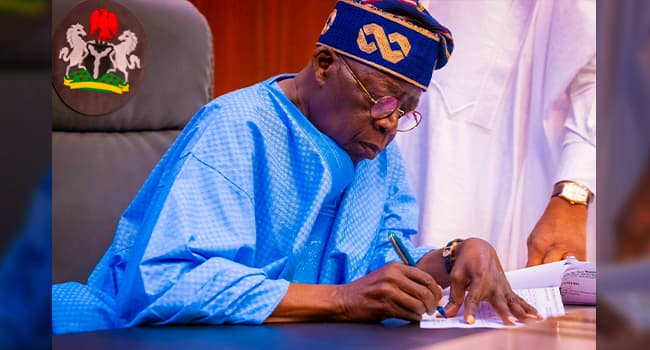
Tinubu Summons Emergency FEC Meeting To Honour Buhari

…Says late President placed Nigeria above personal interest

President Bola Ahmed Tinubu has convened an emergency session of the Federal Executive Council (FEC) for Tuesday, July 15, in honour of the late former President Muhammadu Buhari, whom he praised as a leader who placed national interest above personal gain.

The emergency meeting follows the death of the former Nigerian leader on Sunday, July 13, 2025, in a London hospital.

In a personally signed condolence statement, President Tinubu expressed profound grief over Buhari’s passing, describing him as “a patriot, a soldier, and a statesman to the very core.”

“With a heavy heart, I received the news of the passing of our former President, Muhammadu Buhari. He was a leader who devoted his life to Nigeria — first as a military ruler from 1984 to 1985, and later as a democratically elected President from 2015 to 2023. His legacy of service and sacrifice will endure,” Tinubu said.

He lauded Buhari’s steadfast commitment to the nation’s unity and progress, his fight against corruption, and his insistence on discipline in public service.

“Even in the face of turbulent times, he stood firm — leading with quiet strength, profound integrity, and an unshakeable belief in Nigeria’s potential,” the President added.

President Tinubu extended heartfelt condolences to Buhari’s widow, Aisha Buhari, with whom he said he has remained in close contact, as well as to the former President’s children, extended family, and associates.

He also sympathised with the government and people of Katsina State, particularly the Daura Emirate Council, describing the loss as a personal and national tragedy.

“In this moment of national mourning, we honour his service, reflect on his legacy, and pray for the peaceful repose of his soul,” Tinubu stated.

In honour of Buhari’s contributions to the country, President Tinubu directed that national flags be flown at half-mast for seven days across the country.

“I have also summoned an emergency Federal Executive Council session on Tuesday, dedicated to his honour,” he announced.

The President assured Nigerians that the late Buhari will be accorded full state honours befitting his towering legacy, even as he prayed for Allah’s mercy and for his admittance into Al-Jannah Firdaus.

“May his life continue to inspire generations of Nigerians to serve with courage, conviction, and selflessness,” Tinubu concluded.

Foreign Portfolio Investments Into Nigeria Hit $8 Billion In H1 2025 Amid Policy Reforms

In the face of changing global risk appetite, Nigeria attracted $8.05 billion in foreign portfolio inflows during the first half of 2025, according to a mid-year investment outlook released by CardinalStone Partners Limited.

This resurgence of foreign capital inflow into Nigerian financial markets was largely driven by a combination of government reforms and rising yields on debt instruments, analysts at the firm explained.

Amid Nigeria’s ongoing monetary tightening policies, the Central Bank of Nigeria (CBN) has implemented a series of interest rate hikes aimed at combating inflation. However, critics argue that the CBN’s focus on demand-side monetary measures fails to address structural cost-push inflation.

During the first half of the year, the CBN intensified open market operations (OMO), launching six auctions in rapid succession to soak up excess liquidity. This created fresh opportunities for offshore investors who were drawn to the attractive yield environment.

This surge of capital, often referred to as “hot money,” was also felt in the equities market, where international investors increased exposure as the Nigerian Exchange continued its breakout performance.

According to CardinalStone, foreign portfolio investments nearly matched the entire 2024 inflow of $8.53 billion, raising expectations that full-year figures could reach $16.08 billion—the highest annual inflow on record.

Analysts noted that Nigeria’s current investment narrative offers compelling carry-trade opportunities, largely due to the CBN’s reluctance to ease monetary policy in contrast to global trends. This has kept interest rates attractive to international capital providers.

Since Nigeria’s exclusion from the JP Morgan Emerging Markets Bond Index in 2015, FPI inflows had dropped significantly, averaging $0.65 billion annually between 2015 and 2023, compared to $1.83 billion in prior years.

CardinalStone analysts suggest that Nigeria may be inching closer to a re-entry into the index, which could trigger another round of inflows. “We believe there’s ample room for sustained FPI growth, especially with Nigeria making structural reforms and re-engaging global markets,” the report said.

Furthermore, the CBN’s drive for FX market transparency—through liberalised pricing, enhanced engagement with investors, and improved liquidity—has begun restoring confidence in the naira market.

Equity market inflows have followed suit, reflecting a positive shift in investor sentiment. CardinalStone believes this trend will continue, backed by Nigeria’s relatively stable macroeconomic outlook and increasing appeal among frontier and emerging market investors.

MTN Nigeria Sets New Share Price Record, Analysts Forecast 44% Upside

PHOTOS: MTN MIP Fellows Visit University of Johannesburg

MTN Nigeria Plc reached a new all-time high on the Nigerian Exchange (NGX), with investor enthusiasm buoyed by anticipation of strong Q2 2025 earnings and long-term industry growth prospects.

The telecom giant’s share price rose sharply from ₦357.50 to ₦395 by the end of the trading week—a 10.5% jump that placed the stock at its highest level in over a year.

Transaction records from the NGX showed that over 2.2 million shares of MTN Nigeria changed hands, generating a turnover of ₦885.59 million. The surge in trading pushed the telco’s market capitalization to ₦8.29 trillion, based on its 20.995 billion shares outstanding.

Market watchers attribute the investor confidence to regulatory-driven tariff adjustments and growing optimism around sector performance.

Cowry Asset Limited analysts revised their 12-month price target for MTN Nigeria to ₦568.80, projecting a 44% upside from current levels. The analysts cited strong fundamentals including accelerating data consumption, growth in mobile subscriptions, and the company’s deep penetration of digital services.

With the expansion of 5G infrastructure and a surge in demand for video, social media, gaming, and e-learning platforms, industry analysts expect average data usage to rise by 10–15% in H2 2025.

A mid-year outlook by Zedcrest Capital projected that active mobile subscriptions in Nigeria—currently at 172.9 million—will grow by 8–9% annually over the next three years, further benefiting market leaders like MTN.

The telco has also made strategic financial decisions to mitigate currency risk. It successfully renegotiated tower lease contracts and reduced its exposure to foreign exchange liabilities, a move expected to significantly enhance profitability.

As the company looks to solidify its financial position, MTN Group has disclosed plans to reduce its stake in the Nigerian unit via a public offering. This would proceed once MTN Nigeria returns to a net positive equity position and resumes dividend payments.

With investors betting on a continued earnings rebound and long-term industry growth, MTN Nigeria appears well-positioned for sustained market leadership.

Nigerian Stock Market Surges By ₦3.46 Trillion As NGX Breaks Records

Stock Exchange Closes Trading Week With N30bn Gain

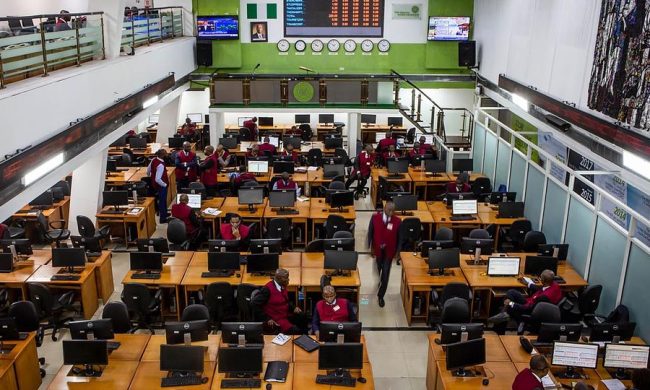
Investors in the Nigerian stock market celebrated significant gains this week, as a sustained rally added ₦3.46 trillion to the total market value of listed equities, pushing the Nigerian Exchange (NGX) to an unprecedented ₦80 trillion market capitalization.

The bullish momentum across the week was underpinned by broad-based investor confidence, supported by sector-wide buying and a reallocation of capital from a weakening money market, according to trading experts and analysts.

By week’s end, the NGX All-Share Index (ASI) posted a weekly gain of 4.26%, closing at a new historic high of 126,149.59 points. This milestone marks the first time the benchmark index has breached the 126,000 level.

Cowry Asset Management attributed the rally primarily to intensified interest in banking, insurance, and consumer goods stocks. These sectors are currently riding high on optimistic earnings expectations ahead of the upcoming Q2 reporting season.

Market analysts further explained that the declining yields in the fixed income space amplified equity market inflows. After last week’s Treasury Bills auction saw the 1-year stop rate dip to 16.30%, equities became a preferred vehicle for yield-seeking investors.

This shift was mirrored in the Money Flow Index (MFI), which entered positive territory, signaling robust liquidity and active participation. Consequently, the NGX market capitalization appreciated by 4.54%, ending the week at ₦79.80 trillion.

This market upswing has brought the NGX’s year-to-date return to 22.56%, reflecting the enduring bullish sentiment and positive investor outlook.

Of the 105 traded stocks this week, 89 recorded gains while only 16 declined, resulting in a strong market breadth ratio of 5.56:1. Despite the price surge, total trading volume and value dipped slightly by 1.38% and 0.27% respectively, amounting to 5.39 billion units and ₦107.81 billion in turnover.

However, the number of executed deals rose by 13.34% to 134,389, indicating sustained investor engagement.

Sectoral performance was overwhelmingly positive. The NGX Insurance Index soared by 13.83%, while the Banking Index jumped by 12.49%, thanks in part to gains in key stocks such as ZENITHBANK, UBA, FIRSTHOLDCO, AIICO, UNIVINSURE, and GTCO. Notably, GTCO saw increased investor demand following its landmark dual listing on the London Stock Exchange—the first Nigerian bank to achieve this feat.

Other sectors also participated in the rally. The NGX Industrial Index gained 2.94%, Consumer Goods Index added 2.18%, and the Commodity Index climbed 0.31%, supported by demand in FTNCOCOA, CILEASING, UNIONDICON, MCNICHOLS, MULTIVERSE, WAPCO, NB, and OKOMUOIL.

In contrast, the NGX Oil & Gas Index ended in the red due to sell-offs in OANDO and ETERNA. The week’s standout performers included FTNCOCOA and REDSTAREX, which surged by 60.60% each, along with OMATEK (60.4%), CILEASING (60.3%), and MEYER (60.1%).

The top decliner was LEGENDINT, which fell 12.5%, followed by INTENEGINS (-6.8%), OANDO (-6.1%), PRESTIGE (-5.3%), and ETRANZACT (-4.9%).

Looking ahead, Cowry Asset projects a shift to a more cautious sentiment as the market nears overbought levels. Analysts expect some degree of profit-taking and strategic portfolio realignment.

This expected moderation may also be influenced by the forthcoming inflation figures from the National Bureau of Statistics and the anticipated Monetary Policy Committee meeting by the Central Bank of Nigeria, scheduled for July 20–21.

“The NGX is at a pivotal stage,” Cowry Asset said. “Depending on investor response to macroeconomic indicators and corporate earnings, the market may either retrace or extend its upward trajectory.”

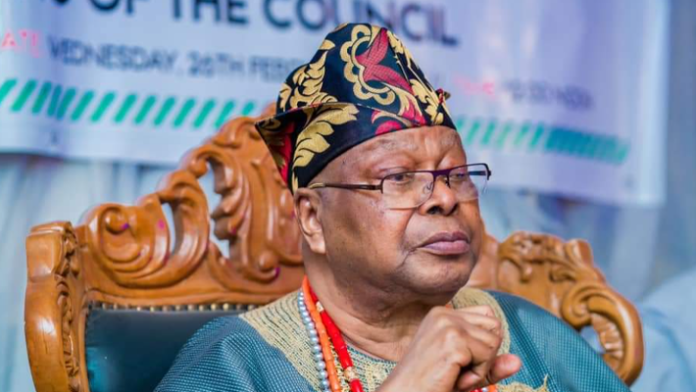
Oba Sikiru Kayode Adetona, Awujale Of Ijebuland, Passes Away At 91 After 64-Year Reign

Oba Sikiru Kayode Adetona, the distinguished Awujale and paramount ruler of Ijebuland, has passed on at the age of 91. The revered monarch, who ascended the throne on April 2, 1960, died peacefully on Sunday after a remarkable 64-year reign.

Born on May 10, 1934, Oba Adetona was a prominent member of the House of Anikinaiya and one of the most influential royal figures in Nigeria’s post-independence era. His death marks the end of an extraordinary reign that saw the Ijebu Kingdom evolve significantly in terms of culture, politics, and socio-economic influence.

The passing of the Ijebu monarch comes just hours after the reported demise of his close confidant and former Nigerian President, Muhammadu Buhari, who reportedly died in a London clinic following a prolonged illness. Their deep personal relationship was often acknowledged publicly, reflecting a rare bond between royalty and political leadership in Nigeria’s modern history.

As one of Nigeria’s longest-reigning traditional rulers, Oba Adetona’s legacy spans decades of political evolution, regional development, and advocacy for Yoruba cultural preservation. His leadership transformed the Ijebu Kingdom into a symbol of progress and unity, earning him national and international recognition.

The announcement of his death has triggered a wave of condolences across the country. Political leaders, cultural institutions, and citizens have begun mourning the passing of a ruler whose voice often echoed beyond his domain.

Further details about the final rites and official statements from the royal palace are expected in the coming days.

Investor Demand Drives Bond Yields Lower As Market Bets On Policy Easing

FGN Bond For Jan. 2021 Oversubscribed

Yields on Nigerian sovereign bonds continued to decline across all tenors as investor appetite for local currency assets remained strong, driven by dwindling supply expectations and recent interest rate trends. The fixed income market responded positively to projections of a more dovish monetary stance, along with lower debt issuance volumes from the Debt Management Office (DMO) compared to the same period in 2024.

In anticipation of the upcoming inflation report, which analysts expect to reflect continued deceleration following a data rebasing initiative, market sentiment remained bullish. This optimism saw average bond yields decline by 72 basis points to 16.8% last week, according to analysts at Cordros Capital.

The fall in yields was broad-based across maturities. Short-dated bonds shed 71 basis points, mid-tenor instruments lost 92 basis points, while long-term securities slipped 28 basis points. Specific bonds like the JAN-2026, FEB-2031, and APR-2037 experienced yield drops of 161 bps, 120 bps, and 84 bps, respectively, as demand surged in the secondary market.

Further fuelling the rally was the Q3 bond auction calendar released by the DMO, which plans to reopen the APR-2029 and JAN-2032 bonds with an estimated ₦60 billion issuance split between both instruments. Anticipation surrounding these reopenings prompted stronger investor positioning in similar tenors, notably the FEB-2031 and MAY-2033 bonds, where yields dipped by up to 40 basis points.

By midweek, bond investors intensified interest in FEB-2031, JUN-2032, and MAY-2033 papers, sending yields as low as 16.40%. The decline highlights the market’s pivot toward risk-adjusted returns in a macroeconomic environment characterized by cautious optimism.

The week closed with a balanced tone in the fixed income space, reflecting investor recalibration in response to Nigeria’s evolving fiscal outlook, fluctuating global oil prices, and rising geopolitical risks abroad. Market watchers now expect future yield trends to be shaped by potential monetary policy adjustments and external pressures, including trade disputes and international interest rate developments.

Going forward, investor sentiment in the bond market is expected to remain guided by inflation expectations, debt supply metrics, and clarity around the government’s revenue and spending plans, especially concerning oil earnings and fiscal reforms.

Liquidity Squeeze Triggers Spike In Money Market Rates Amid CBN Tightening Moves

How Much Money Is Spent On Groceries In Nigeria, Other Countries?

A series of aggressive interventions by the Central Bank of Nigeria (CBN) has significantly tightened liquidity across the Nigerian financial system, pushing money market rates to alarming highs above the 30% threshold. The impact of multiple liquidity-draining mechanisms—ranging from cash reserve deductions to Open Market Operations (OMO) and foreign exchange interventions—has left banks grappling with funding shortages.

The net system liquidity fell by a staggering ₦393.69 billion, transitioning from a credit balance of ₦275.53 billion to a deficit of ₦118.17 billion, despite a notable ₦301.94 billion inflow from maturing Treasury Bills during the week. The influx did little to stem the pressure, as persistent outflows overwhelmed the system, intensifying short-term borrowing demand.

This funding stress sent interbank rates soaring. Cowry Asset Management reported a sharp jump in the Nigerian Interbank Offered Rate (NIBOR), which surged by 593 basis points to 32.75% from 26.82% the previous week—highlighting the intense strain on short-term liquidity.

At the OMO auction conducted midweek, the CBN rolled out ₦600 billion worth of bills across the 272-day and 363-day tenors. Investor interest was overwhelmingly skewed toward the longer-dated 363-day note, which absorbed ₦2.13 trillion of the ₦2.17 trillion total subscriptions. The 272-day offering received no allotments, while ₦1.25 trillion was sold at a marginal rate of 21.99%, reflecting strong appetite for high-yield debt.

Meanwhile, the Nigerian Interbank Treasury Bills True Yield (NITTY) curve dipped across the board, indicating strong demand in the secondary market. Yields on the 1-month to 12-month bills dropped to 16.06%, 16.57%, 17.73%, and 18.84%, respectively, marking sharp declines of 160 to 264 basis points.

The CBN also conducted a Treasury Bill auction on Wednesday, offering ₦250 billion in standard maturities. The auction was heavily oversubscribed, recording a total bid of ₦1.33 trillion. Ultimately, only ₦201.82 billion was allotted, with ₦126.31 billion going to the 364-day bill, which attracted ₦1.18 trillion of the total bids.

Following the conclusion of CBN’s FX settlements and other market outflows, liquidity pressures mounted further. FMDQ data showed average money market rates surging to 32%, while the repo and overnight rates jumped to 31.50% and 32.17%, respectively.

Market analysts anticipate continued tight liquidity conditions in the short term, especially as banks prepare for Asset Management Corporation of Nigeria (AMCON) obligations. The absence of upcoming maturities suggests that short-term borrowing costs could remain elevated or worsen further.

President Tinubu Declares National Mourning, Convenes Emergency FEC Session

Tinubu Appoints Mandate Secretaries For FCTA

President Bola Ahmed Tinubu has declared a week-long period of national mourning following the death of former President Muhammadu Buhari, who passed away in a London hospital on Sunday, July 13, 2025.

The solemn announcement was made in a statement signed by the Special Adviser to the President on Information and Strategy, Bayo Onanuga, and followed by an official tribute personally penned by President Tinubu.

The President confirmed that Buhari, who led Nigeria as a military ruler from 1984 to 1985 and later as a two-term civilian president between 2015 and 2023, died at approximately 4:30 p.m. after battling a long-term illness. Tinubu has ordered all national flags to be flown at half-mast for seven days as a mark of respect to the late statesman.

“President Bola Ahmed Tinubu has announced the passing of his predecessor, President Muhammadu Buhari. President Buhari died today in London at about 4:30 p.m., following a prolonged illness,” Onanuga stated.

In his personal tribute, President Tinubu expressed deep sorrow over the loss, describing Buhari as a figure of unwavering national dedication and a symbol of integrity.

“It is with a heavy heart and profound sorrow that I received the news of the passing of our former President, Muhammadu Buhari,” Tinubu wrote. “He was a patriot to the core, a soldier and a statesman whose legacy of discipline, sacrifice, and national service continues to resonate.”

Emergency Federal Executive Council Meeting Scheduled

In recognition of Buhari’s enduring contributions to Nigeria, President Tinubu has summoned an emergency session of the Federal Executive Council (FEC), slated for Tuesday, July 15, 2025. The session will be solely dedicated to honouring the memory and achievements of the late leader.

“As a mark of respect to our former leader, I have directed that all national flags fly at half-staff across the country for seven days from today,” the President stated. “I have also summoned an emergency Federal Executive Council session on Tuesday, dedicated to his honour.”

Tinubu emphasized that Buhari’s unwavering resolve in confronting national challenges, particularly corruption, would remain an enduring legacy.

“President Buhari stood firm through the most turbulent times, leading with quiet strength, profound integrity, and an unshakable belief in Nigeria’s potential,” he wrote. “He championed discipline in public service, confronted corruption head-on, and placed the country above personal interest at every turn.”

Shettima Dispatched to UK to Repatriate Buhari’s Remains

To oversee the arrangements for the late President’s return, Tinubu has instructed Vice President Kashim Shettima to travel to the United Kingdom. The Vice President is expected to coordinate the repatriation of Buhari’s body and support preparations for a state burial.

“President Tinubu has also ordered Vice President Kashim Shettima to proceed to the United Kingdom to accompany President Muhammadu Buhari’s body back to Nigeria,” Onanuga confirmed.

According to the presidency, the Nigerian government will conduct a full state funeral befitting Buhari’s stature, with details to be disclosed in the coming days.

Condolences to the Buhari Family and the Daura Emirate

President Tinubu also extended heartfelt condolences to the late President’s widow, Aisha Buhari, their children, and the broader Buhari family. He expressed solidarity with the people and traditional leadership of Daura, the hometown of the late leader in Katsina State.

“In this moment of national mourning, I extend my deepest condolences to his beloved wife, Aisha, with whom I have been in constant touch, his children, the entire Buhari family, and all who knew and loved him,” Tinubu wrote. “I also extend my condolences to the government and people of Katsina State, especially the people and traditional leaders of the Daura Emirate.”

Final Tribute from the Presidency

Concluding his message, Tinubu reaffirmed the nation’s gratitude for Buhari’s leadership and prayed for his eternal rest.

“We honour his service. We reflect on his legacy. And we pray for the peaceful repose of his soul,” the President declared. “May Allah forgive his shortcomings and grant him Al-Jannah Firdaus. And may his life continue to inspire generations of Nigerians to serve with courage, conviction, and selflessness.”

With the national mood marked by grief and reflection, preparations are underway to ensure that Nigeria bids farewell to one of its most influential leaders with the dignity and reverence he earned through decades of service.

Chelsea Crowned FIFA Club World Cup Kings As Palmer Torments PSG In Historic Final

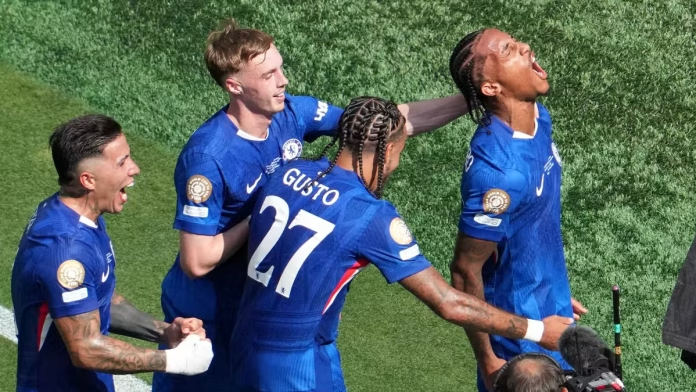
In a landmark showdown at the MetLife Stadium, Chelsea FC etched their name in football history as the first champions of the rebranded FIFA Club World Cup, overpowering Paris Saint-Germain with a dominant 3-0 victory. The Blues, guided by manager Enzo Maresca, delivered a masterclass in tactical execution, with rising star Cole Palmer bagging a brace that left the French giants stunned.

Both teams had experienced turbulence in the group stage, succumbing to Brazilian opposition, but powered through the knockout rounds to set up a mouth-watering final in New Jersey. Chelsea wasted no time asserting themselves. João Pedro, the semi-final standout, led the charge as Chelsea pressed PSG early. Palmer came close in the eighth minute, his shot slightly altered by a touch from Lucas Beraldo that spared Donnarumma an early test.

PSG tried to retaliate, nearly capitalizing on a defensive lapse, but Marc Cucurella’s timely intervention thwarted a dangerous move involving Désiré Doué and Achraf Hakimi. Despite those efforts, Chelsea’s grip on the game tightened, and Palmer rose to the occasion in spectacular fashion.

The young Englishman opened the scoring with a composed finish after a clever assist from Malo Gusto. Just minutes later, he added a second in sensational style—dancing through defenders before slotting past the PSG goalkeeper. The Parisians were reeling, dazed under the pressure like a prizefighter floored in the opening round.

Palmer wasn’t done. His vision and precision unlocked PSG’s defense once more, threading a through ball to João Pedro, who elegantly chipped Donnarumma for Chelsea’s third. The goal marked the end of PSG’s dream of completing a historic quadruple, having already secured the Ligue 1 title, Coupe de France, and the UEFA Champions League.

As the second half commenced, PSG sought to stage a comeback, but Robert Sánchez proved impenetrable. The Chelsea keeper pulled off back-to-back saves against Ousmane Dembélé and Vitinha, keeping the clean sheet intact. At the other end, Liam Delap nearly extended Chelsea’s lead, but Donnarumma’s reflexes denied the substitute.

Frustration boiled over in the dying minutes when João Neves was shown a straight red card for yanking Cucurella’s distinctive curls, compounding PSG’s misery. The incident symbolized the unraveling of a side that had looked unstoppable just weeks earlier.

This triumph adds another glittering trophy to Chelsea’s cabinet, following their UEFA Conference League win earlier in the year—their first since claiming the old Club World Cup title in 2021. The West London side not only take home global glory but also a £90 million prize purse.

Meanwhile, PSG’s quest to replicate Barcelona’s 2015 feat—winning the domestic double, Champions League, and Club World Cup in a single season—has fallen short. Chelsea, once again, have proven themselves giants on the world stage.

Fueling The Future: Interswitch Powers Seamless Payments On The NNPC Retail App

In a bold move to advance Nigeria’s digital transformation agenda, Interswitch, a leading African technology company focused on creating solutions that enable individuals and communities prosper, has reiterated its leadership in digital innovation by strategically supporting the launch of the NR Fuel App, a revolutionary platform developed by the Nigerian National Petroleum Company (NNPC) in partnership with Fidelity Bank.

Notably, the NR Fuel App was designed to tackle long-standing challenges in Nigeria’s downstream sector, including long queues, fuel shortages, and inefficiencies in the fueling process. According to Baba Shettima Kukawa, Executive Director, Retail Operations and Mobility, NNPC Retail Limited, the app was developed to make fueling seamless, simpler, faster, smarter, and more secure, combining digital convenience with personalised service to transform the everyday fueling experience for Nigerians.

More than just a digital wallet, the NR Fuel App delivers a suite of user-focused innovative features. With a real-time smart station locator, users can effortlessly find the nearest NNPC retail outlet, significantly reducing the time spent searching for fuel. The app also enables users to pre-fund their accounts, simplifying payment planning and fuel purchases. In addition, its built-in budgeting and expense tracking tools help users monitor fuel spending, empowering them to manage costs more effectively and maximize value.

Speaking during a panel session at the launch, Chinyere Don-Okhuofu, Managing Director, Industry Ecosystems (Interswitch Indeco), emphasized the importance and impact of the collaboration, noting Interswitch’s contribution in shaping Nigeria’s digital payments and e-commerce landscape. According to her:

“At Interswitch, we believe that innovation is most meaningful when it improves everyday life. For over two decades, we have been building and strengthening the digital infrastructure that powers Nigeria’s e-commerce ecosystem, and today’s launch is another major milestone. Our partnership with NNPC goes beyond payments. It represents a shared vision to redefine the fueling experience in Nigeria. The NR Fuel App is a clear example of how technology can transform a routine, everyday task into something smarter, faster, and more personal.

Now fully integrated with Interswitch’s robust and secure payment infrastructure, the NR Fuel App allows users to enjoy seamless digital transactions across NNPC service stations nationwide. The system supports a broad range of payment channels, including the use of Interswitch’s payment cards and digital tokens brand, Verve card, as well as QR code-enabled payments, bank transfers, and USSD, ensuring inclusive access for all types of users.

She further noted that this integration positions it to deliver seamless, reliable, and inclusive digital payment experiences at scale. In her view, this innovation is a key step toward transforming the fuel retail landscape.

The launch also featured a Question & Answer session where attendees gained deeper insights into the app’s features and development roadmap. The session shed light on the app’s structural design while outlining upcoming enhancements aimed at delivering more personalised and user-friendly fueling solutions directly to consumers.

To support seamless public adoption, a robust explainer video was unveiled, offering a simple, step-by-step guide on how to navigate the app; preload payments ahead of station visits, identify nearby stations, and complete transactions. It also demonstrated how users receive digital confirmations, reinforcing a smooth, transparent, and user-friendly experience.

The NR Fuel App launch is yet another testament to Interswitch’s commitment to driving everyday innovation. As a trusted enabler across Africa, Interswitch continues to pioneer solutions that connect people, businesses, and public institutions through technology, simplifying lives and building systems across sectors.

APC Clinches All Chairmanship Seats In Lagos Local Government Polls

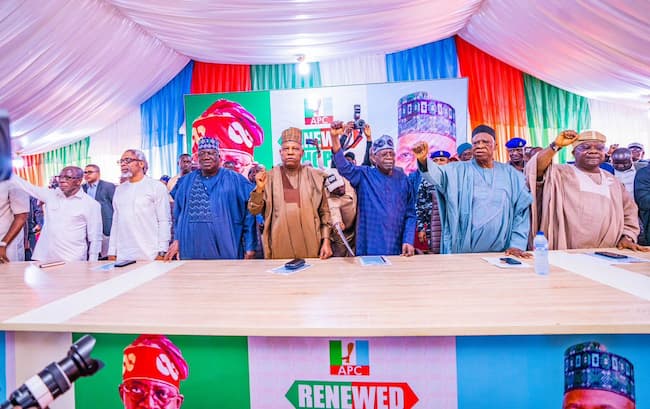
APC Leaders To Meet With Tinubu, Others On Monday

The All Progressives Congress (APC) has emerged victorious across all local government chairmanship contests held in Lagos State over the weekend, solidifying its political dominance in the state.

According to results officially released by the Lagos State Independent Electoral Commission (LASIEC) on Sunday, the APC secured all 57 chairmanship seats in addition to 375 out of the 376 councillorship positions contested across the state.

Elections were conducted in all 20 Local Government Areas (LGAs) and 37 Local Council Development Areas (LCDAs), with voter turnout described as moderate amidst reported complaints of irregularities in some voting units. Despite these concerns, LASIEC declared the exercise largely peaceful.

In a surprising development, the opposition Peoples Democratic Party (PDP) managed to pull off a significant upset in Ward D of the Yaba LCDA. There, PDP candidate Babatunde Dosunmu defeated his APC rival in what observers have called a rare break in the ruling party’s electoral streak. Dosunmu, previously affiliated with the APC, switched allegiance to the PDP shortly before the election.

LASIEC officials announced that the swearing-in of the newly elected council executives is expected to take place before the end of June.

Below is the full list of newly elected chairpersons as released by LASIEC:

  • Bariga LGA – Busola Adedeji Bukola
  • Ajeromi-Ifelodun LGA – Hon. Olamilekan Olu Akindipe
  • Alimosho LGA – Akinpelu Ibrahim Johnson
  • Ibeju Lekki LGA – Abdullahi Olowa
  • Kosofe LGA – Barr. Moyosore Adedoyin Ogunlewe
  • Badagry LGA – Babajide Hunpe
  • Mushin LGA – Hon. Haruna Olatunbosun Aruwe
  • Oshodi-Isolo LGA – Otunba Kehinde Almaroof-Oloyede
  • Ojo LGA – Hon. Princess Muhibat Titilola Rufai
  • Olorunda LCDA – Peter Kumayon
  • Lagos Island LGA – Hon. Taiwo Oyekan
  • Igando-Ikotun LCDA – Snr Comrade Lasisi Ayinde Akinsanya
  • Ifako-Ijaiye LGA – Prince Usman Akanbi Hamzat
  • Somolu LGA – Hon. Lateef Ashimi
  • Amuwo-Odofin LGA – Prince Lanre Sanusi (PLS)
  • Lagos Mainland LGA – Alhaji Emilagba Jubril
  • Eti-Osa East LCDA – Hon. John Campos Ogundare
  • Badagry West LCDA – Hon. Rauf Ibrahim Kayode Yemaren
  • Apapa Iganmu LCDA – Hon. Wale Jimoh
  • Epe LGA – Princess Surah Olayemi Animashaun
  • Lekki LCDA – Hon. Rasaki Bamidele Kasali
  • Ikorodu LGA – Prince Adedayo Abdullateef Ladega
  • Igbogbo/Baiyeku LCDA – Hammed Aroyewun
  • Surulere LGA – Sulaimon Yusuf Bamidele
  • Agege LGA – Tunde Azeez
  • Ikosi-Isheri LCDA – Princess Samiat Abolanle Bada
  • Ikeja LGA – Akeem Dauda
  • Ejigbo LCDA – Taoheed Adebayo Taiwo

Further developments and reactions from political stakeholders are expected in the coming days.

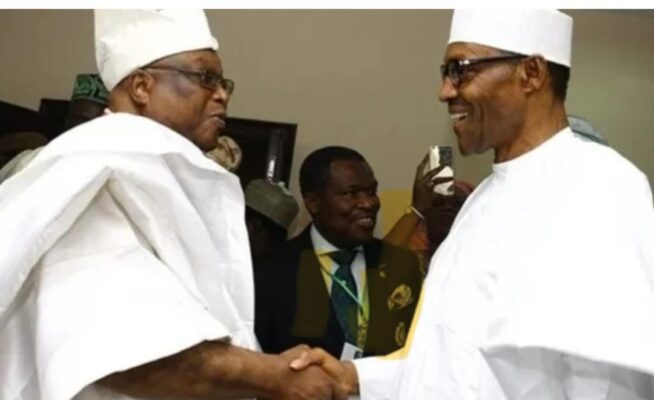
BREAKING NEWS: Muhammadu Buhari Dies In London Hospital

Buhari Addresses Nigeria On Naira Scarcity (Full Text)


Former Nigerian Head of State, Muhammadu Buhari, has passed away. The tragic news was confirmed on Sunday afternoon by his former media aide, Mallam Garba Shehu, who issued a statement verifying the development.

According to Shehu, the former President died earlier on Sunday while receiving medical attention at a hospital in the United Kingdom.

As of now, no official information has been released regarding the cause of his death or the circumstances surrounding it. The nation awaits further details from both his family and relevant authorities.

Buhari, who served as Nigeria’s civilian president from 2015 to 2023, had a history of medical visits to the UK during his tenure, which often sparked national discourse about the state of presidential healthcare.

As Nigerians await updates, tributes have already begun pouring in from political allies, dignitaries, and ordinary citizens across the country.

Naira Slumps Again As Forex Demand Surges Across Markets

Federation Account Amasses Over ₦5trn In 6months- RMAFC

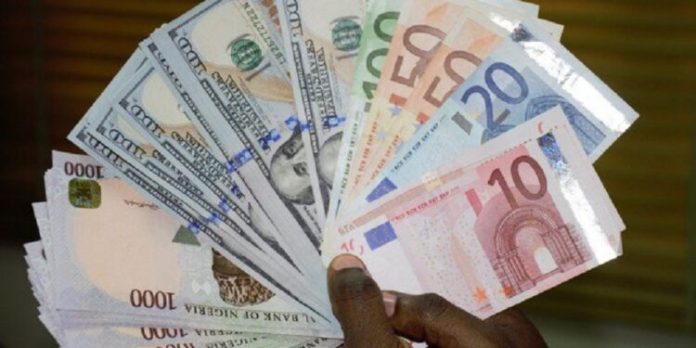
The Nigerian currency witnessed another challenging week in the foreign exchange market as intensified demand for the US dollar exerted pressure on supply, leading to a decline in the naira’s value across both official and unofficial trading windows

According to market records, despite the Central Bank of Nigeria’s (CBN) latest intervention of $50 million to ease liquidity constraints, the local currency failed to hold ground. Data from the official FX market showed that the naira dipped by 0.11% on a weekly basis, closing at ₦1,530.26 against the US dollar. Analysts attributed this movement to tightening liquidity conditions and persistent dollar demand from importers and corporates.

In the parallel segment of the market, the pressure was more pronounced. Reports from Cowry Asset Management revealed that the naira slid by 0.97%, settling at an average of ₦1,545 per dollar compared to the previous week’s ₦1,530/$1. The depreciation reversed part of the naira’s recent rebound, highlighting the volatility that still grips Nigeria’s currency markets.

Cowry Asset stated in its weekly commentary that while the Central Bank continues to make strategic interventions to stabilize the currency, the widening gulf between demand and actual FX availability remains a core concern. However, the ongoing reforms aimed at liberalizing the forex framework are being viewed as a step toward medium-term currency stability.

Globally, commodity markets reflected cautious optimism as oil prices experienced a modest uptick. The market responded positively to the White House’s decision to postpone a widely anticipated tariff implementation, which had previously sparked fears of a decline in global oil demand. Brent crude futures hovered around the $70 mark, buoyed further by speculation surrounding an upcoming announcement from US President Donald Trump concerning Russia.

In local markets, Nigeria’s Bonny Light crude recorded a gain, rising to $72.81 per barrel from $72.07 the previous week. The marginal improvement in oil prices, coupled with strengthened export flows, contributed to a 0.47% increase in Nigeria’s foreign reserves, now standing at $37.36 billion.

Meanwhile, the Organization of Petroleum Exporting Countries (OPEC), in its latest World Oil Outlook for 2025, projected a bullish long-term demand trend. The forecast sees global oil consumption reaching 122.9 million barrels per day by 2050, with emerging markets in Africa, India, and the Middle East expected to drive the surge.

Looking ahead, analysts at Cowry Asset anticipate a more favourable performance for the naira in the coming days. They noted that steady inflows from oil exports, deepening FX reforms, and consistent CBN support are likely to set the tone for an eventual recovery of the local currency and improved investor sentiment.

CBN Intervenes With $50 Million Injection To Stabilize Naira Amid FX Pressures

The Central Bank of Nigeria (CBN) has executed a $50 million intervention in the foreign exchange market in an effort to cushion the naira from renewed pressures sparked by heightened demand for US dollars, especially for offshore payments

The intervention was aimed at improving market liquidity and easing the sudden spike in dollar demand that disrupted the local currency’s recent rally. Analysts noted that the renewed demand came after the reactivation of naira debit cards for international transactions, which has significantly increased pressure on FX resources.

According to sources familiar with the matter, the apex bank channeled the intervention funds through licensed dealer banks to mitigate the strain on the naira and stabilize market conditions. As a result, the exchange rate remained within a tight range during the trading sessions, although concerns linger over the sustainability of these efforts.

Market analysts at Anchoria Asset Management forecast that the naira will likely trade within a band of ₦1,515 to ₦1,535 per dollar in the upcoming week. This projection is underpinned by the recent FX liquidity boost, the CBN’s dollar sales, and foreign participation in last week’s Open Market Operations (OMO) auction, which helped absorb some of the excess demand.

“These developments have supported confidence in the market, keeping volatility contained and signalling the effectiveness of policy interventions so far,” Anchoria noted in a briefing.

Despite the relative calm, the firm warned that mild exchange rate pressure could resurface as the month progresses, especially from corporate remittance requests and offshore bids. Still, the overall market sentiment remains cautiously optimistic, assuming the CBN maintains its current pace of intervention and liquidity enhancement strategies.

The firm added that further naira stability could be supported by increased FX inflows from exporters and continued policy clarity from monetary authorities. “We expect the naira to hold steady in the near term, though risks remain if demand outpaces supply,” Anchoria concluded.

BizWatchNigeria.Ng
Privacy Overview

This website uses cookies so that we can provide you with the best user experience possible. Cookie information is stored in your browser and performs functions such as recognising you when you return to our website and helping our team to understand which sections of the website you find most interesting and useful.