








Home Blog Page 14

Interswitch Drives Industry Dialogue On Alternative Credit And African-Led Innovation At CeBIH 2025

Interswitch, one of Africa’s leading integrated payments and digital commerce companies, took centre stage at the 2025 Committee of e-Business Industry Heads (CeBIH) Annual Conference in Lagos, held at the Eko Convention Centre, Victoria Island, leading high-level conversations on reimagining financial inclusion through innovation, infrastructure, and cultural shifts in consumer credit. The two-day gathering brought together senior policymakers, financial services executives, and technology leaders from across Nigeria’s digital finance ecosystem to explore pathways for expanding credit access to underserved communities.

As a returning Gold Sponsor, Interswitch reinforced its long-standing commitment to strengthening Nigeria’s financial infrastructure and enabling inclusive growth through locally driven solutions. The conference theme, “Reimagining Financial Inclusion through Cultural Shifts in Consumer Credit,” provided a timely platform for stakeholders to interrogate traditional lending models and explore adaptive, technology-led approaches to consumer credit.

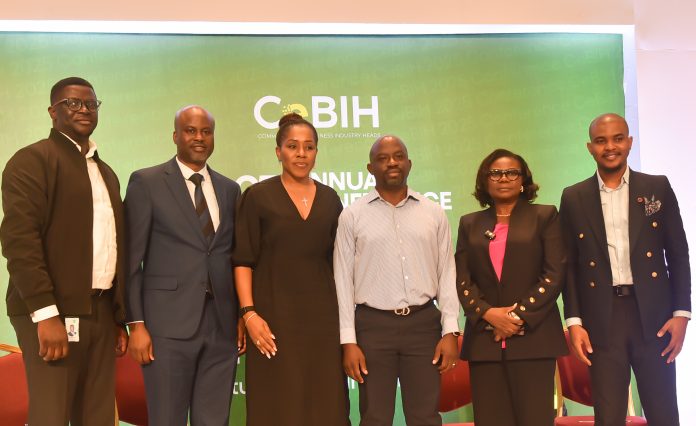
A major highlight of Day One was a high-impact panel session titled “Alternative Credit Scoring for the Underserved,” where Ademola Adeniran, Divisional Head, Product Management and Solution Delivery, Verve International, a subsidiary of Interswitch Group, joined industry leaders to examine how alternative data and digital intelligence can unlock credit for millions excluded by conventional financial models. Speaking during the session, he noted:

“For us, this conversation goes beyond technology. It is about designing credit systems that truly reflect African realities. Millions transact daily outside traditional banking frameworks, and alternative credit scoring enables us to recognise that economic activity and responsibly convert it into access to finance. At Verve and Interswitch, we are committed to building the digital infrastructure that makes this inclusion scalable and sustainable.”

Moderated by Wunmi Ogunbiyi of the CeBIH Advisory Council, the session also featured contributions from Munachimso Duru, Head, Products, Partnership and Innovation, Afrigopay Financial Services Limited; Damola Giwa, Country Manager, Visa West Africa; Nike Kolawole, representing Aisha Abdullahi, Executive Director, Credit and Portfolio Management, CREDICORP; and Ifeanyi Chukuwekem, Head, Corporate Strategy Department, eTranzact, offering a broad industry perspective on the future of responsible credit delivery.

On the second day, Interswitch’s impact and philosophy were further highlighted in a thought leadership address delivered by Robinta Aluyi, Vice President, Sales and Account Management, Digital Infrastructure & Managed Services (Interswitch Systegra). She emphasized the company’s purpose-driven approach to building the infrastructure that powers Africa’s digital economy and enabling secure money movement on a scale.

“Interswitch helps people navigate their daily lives with greater ease. We make transactions flow safely and reliably. We do this by connecting banks, supporting secure and reliable payments, and strengthening the entire value chain of digital finance. Today, we hold a significant portion of the market, and that achievement reflects the deep trust our banking and fintech partners place in our platforms. We continue to deliver because the ecosystem has worked with us every step of the way,” Aliyu said.

She also stressed the importance of African-led solutions in addressing the continent’s financial challenges, noting that sustainable progress must be rooted in local realities. Interswitch’s strength, she said, lies in the fact that it was built on the continent, for the continent, with solutions designed to serve individuals, small businesses, enterprises, and government institutions across every layer of the payment value chain.

The 2025 CeBIH Annual Conference further explored the role of behavioural change, responsible borrowing frameworks, identity verification, and institutional collaboration in building a more inclusive credit culture. Experts agreed that beyond access to digital channels, sustainable financial inclusion must be anchored on trust, education, aligned incentives, and resilient infrastructure, which are areas where Interswitch continues to play a foundational role.

Interswitch’s active participation at the conference reaffirmed its strategic focus on driving financial empowerment, enabling secure commerce, and supporting innovation across Africa’s rapidly evolving digital economy. The company reiterated that continued collaboration with industry bodies such as CeBIH remains central to its mission of building a more inclusive, efficient, and future-ready financial ecosystem for Nigeria and the continent at large.
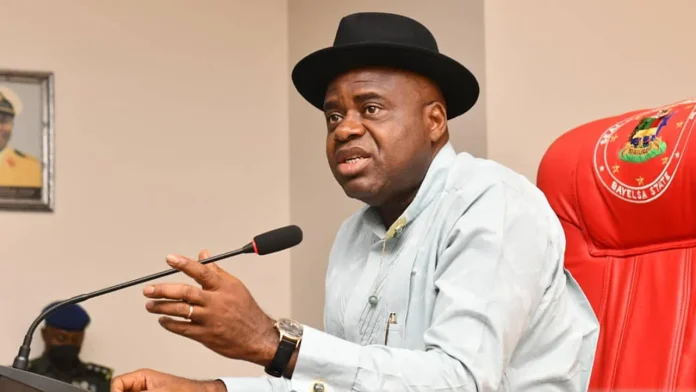

Bayelsa Government Bans Illegal Mining, Nullifies Community Agreements With Unauthorised Miners

The Bayelsa State Government has announced an immediate ban on all unauthorised and illegal mining activities across the state’s eight local government areas, warning that any community leader who enters into agreements with illegal miners will face sanctions.

Governor Douye Diri issued the directive on Monday during a town hall meeting with community leaders, senior government officials, and key stakeholders from Southern Ijaw, Brass, and Ekeremor LGAs in Yenagoa. The governor was represented by his deputy, Senator Lawrence Ewhrudjakpo.

Diri condemned the unlawful extraction of silicon—popularly known as black sand—in coastal communities such as Foropa, Agge, and Die-Ama by miners from outside the state. He described the activities as a serious threat to public safety, environmental sustainability, and the wellbeing of residents.

He ordered the immediate suspension of all illegal mining operations and placed an embargo on all memoranda of understanding (MoUs) signed by communities with mining firms without prior government approval, declaring them “null, void, and of no effect.”

While noting that his administration welcomes both local and foreign investors, Diri stressed that the government will not tolerate ventures that compromise security, environmental protection, or due process.

He cautioned that any traditional ruler or community leader who violates the directive will be arrested and prosecuted under existing state laws.

“The state has recently witnessed a disturbing development. Individuals from outside Bayelsa are illegally mining silicon or black sand in our communities without government authorisation, and this must stop immediately,” he said.

“It is dangerous to our environment and public health. We have seen how illegal mining contributed to the rise of banditry in many northern states. We will not allow such insecurity to take root here. Any MoU previously signed without government approval is hereby invalidated.”

Commissioner for Environment, Ebi Ben-Ololo, reinforced the call for strict compliance with the state’s mining regulations, noting that a law passed by the State House of Assembly clearly outlines the procedures and authorisation required for mining activities.

Traditional leaders—including the Paramount Ruler of Foropa, HRH Olabai Olozulu; HRH Baratuaipre Amaene of Die-Ama; and the Chairman of the Odioma Community Development Committee, Chief Forcebray Eketekpe—commended the government’s swift intervention and pledged the cooperation of their communities.

The development comes amid renewed national concerns over illegal mining and insecurity. The Northern States Governors’ Forum recently advocated a six-month suspension of mining activities following a series of kidnappings and killings linked to illegal mining networks.

Bayelsa Government says it intends to prevent similar security risks from emerging in the Niger Delta.

FG Slashes Oil Block Entry Fees To $3m As 2025 Licensing Round Begins

Oil Rig

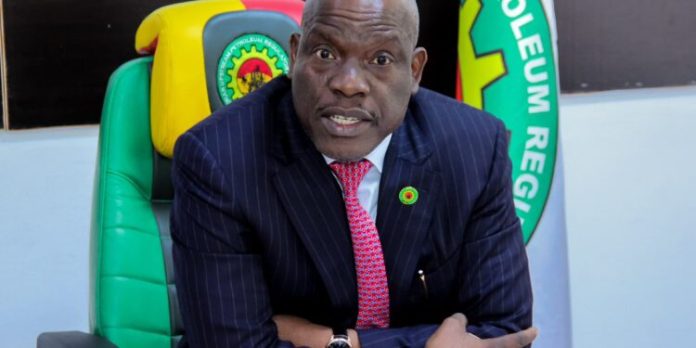
As Nigeria opens the window for its 2025 oil licensing round, the Federal Government has significantly lowered the signature bonus—bringing the figure down from $10 million to between $3 million and $7 million. The revised fees were confirmed in an update released by the Nigerian Upstream Petroleum Regulatory Commission (NUPRC), which says the move aims to attract more investors by easing entry barriers.

The regulator noted: “For prospective investors considering any of the blocks listed for the 2025 Licensing Round, the government has approved a reduction of the signature bonus to a range of between $3 million and $7 million.”

It added that all participating bidders are required to submit proposals within the new range as approved by the Minister of Petroleum, marking one of the government’s boldest steps yet to stimulate upstream investments.

In 2024, the signature bonus demanded from successful applicants was already reduced from levels around $200 million to $10 million.
NUPRC Chief Executive Gbenga Komolafe said the adjustment followed comparative studies of similar investment environments such as Brazil, where lower signature bonuses have helped attract substantial exploration commitments.

A signature bonus represents the upfront, non-refundable payment made to a host government when firms receive rights to explore oil or gas blocks.
The Commission had earlier disclosed that deepwater assets attracted $10 million, while shallow-water and onshore fields required $7 million. The latest changes reduce these thresholds even further—placing the new fees at $7 million for deepwater and $3 million for shallow-water and onshore assets.

NUPRC also reiterated that the signature bonus must be paid strictly in U.S. dollars.
“The designated account for the signature bonus is dollar-denominated and cannot be settled in naira,” the regulator said.

Successful bidders in the licensing round will receive a Petroleum Prospecting Licence (PPL), granting them exclusive rights to drill appraisal and exploration wells, conduct petroleum exploration within the assigned territory, and commercialize crude oil or gas derived from production testing.

The licence will run for an initial period of three years, with the possibility of extending for another three years for onshore and shallow-water assets. Deepwater and frontier assets are allotted a five-year tenure.

To ensure transparency and competitiveness, the commission will administer a two-stage bidding process comprising a qualification phase followed by a final bidding phase.
During the qualification stage, prospective bidders or consortiums are expected to submit all mandatory documentation as outlined in the Regulations and Guidelines. Only applicants deemed qualified and shortlisted will proceed to the bid stage, where they must sign a confidentiality agreement before gaining access to proprietary data.

At the bid stage, shortlisted firms will submit both technical and commercial proposals in line with prescribed regulatory standards.

However, the regulator warned that no bidder—whether as an individual entity or as a consortium partner—is permitted to bid for more than two assets.
For companies involved in multiple consortium structures, all related applications will be counted as a single bid.

The NUPRC disclosed that a total of 50 blocks are up for bidding, covering onshore, shallow-water, deepwater, and frontier territories. The available blocks include:
PPL 2A29 to PPL 2A62; PPL 2010; PPL 307; PPL 308; PPL 309; PPL 900 to PPL 903; PPL 700 to PPL 703; PPL 800 to PPL 803.

Central Bank Of Nigeria Cuts Number Of Licensed BDC Operators To 82

The Central Bank of Nigeria (CBN) has formally approved a new set of 82 Bureaux de Change (BDC) operators to commence operations effective November 27, 2025. This move marks another significant phase in the apex bank’s ongoing restructuring of the foreign exchange ecosystem.

In a statement released on Monday in Abuja, the CBN’s Acting Director of Corporate Communications, Mrs. Hakama Sidi-Ali, explained that the licensing exercise was executed in accordance with provisions of the Bank and Other Financial Institutions Act (BOFIA) 2020.

She further noted that the measure aligns with the Regulatory and Supervisory Guidelines for BDC Operations in Nigeria (2024).
According to her, “only the BDC operators whose names have been published on the Bank’s official website are permitted to operate from the effective date.”

Sidi-Ali added that the list will be continuously updated on the CBN website for transparency and public verification, urging Nigerians to refrain from engaging with operators who are not properly licensed.
She emphasized that running a BDC outfit without a valid operational licence constitutes an offence punishable under Section 57(1) of BOFIA 2020.
“The public is advised to remain vigilant and ensure they transact only with authorised operators,” she said.

Nigeria once had approximately 5,690 registered BDCs. However, on March 1, 2024, the CBN revoked licences belonging to 4,173 operators over multiple regulatory breaches.
The mass revocation reduced the number of approved BDCs to about 1,517, before the latest screening further streamlined the list to 82 final licensees, marking a major shift in the country’s FX market regulation landscape.

Interswitch’s Dr. Cherry Eromosele Calls For Human-AI Balance In Marketing At BJAN Conference 2025

At the 2025 Brands and Marketing Conference hosted by the Brand Journalists Association of Nigeria (BJAN), Dr. Cherry Eromosele, Executive Vice President and Group Chief Marketing and Communications Officer, Interswitch Group, emphasised the need for marketers and journalists to adopt a balanced, collaborative approach to Artificial Intelligence (AI).

Her keynote address was delivered on her behalf by Tomi Ogunlesi, Divisional Head, Brands and Communications, Interswitch. Speaking to the conference theme, “AI and the Future of Marketing Workflow: Disruption or Opportunity?”, Dr. Eromosele noted that AI has already reshaped how content is created, distributed, and evaluated. She emphasised that while the technology unlocks new levels of efficiency, it also requires responsible adoption and continuous human oversight.

In her words:

“The real risk is not in the technology itself, but in the reluctance to adapt. AI will enhance human output, but it still requires human judgment to ensure accuracy, context, and responsible use.”

She stressed the importance of sustained capacity building for marketing and communications professionals, adding that organisations must empower their teams with the skills needed to work confidently with AI-powered tools.

“Human insight, creativity and ethical consideration remain essential. Professionals who understand how to integrate these strengths with AI-driven capabilities will be better positioned for the evolving landscape,” she said.

Her session also incorporated interactive elements, including demos and video clips that showcased both the promise and the pitfalls of AI such as AI-generated newsroom mistakes and unpredictable outputs, reinforcing the need for careful human review in all automated workflows.

Dr. Eromosele expanded on the structural shifts AI is driving in the marketing ecosystem, highlighting the ‘New Marketing Trinity’ of data, creativity and algorithms, where AI now acts as a powerful multiplier that accelerates insight, precision and storytelling across multiple touchpoints.

She went on to outline five major transformations redefining modern marketing practice, including the shift from campaigns to always-on brand conversations, from fixed demographics to dynamic personas, and from traditional media buying to predictive distribution models that anticipate audience needs even before campaigns begin.

She also noted that emerging Agentic AI systems are evolving from basic content generators into autonomous co-workers capable of planning, learning and executing tasks, enabling brands to operate with unprecedented operational efficiency and speed.

Despite these advancements, she emphasised that the industry is entering “The Age of the Augmented Marketer,” where AI amplifies human capability rather than replacing it. According to her, this new era demands skills such as data storytelling, AI literacy, no-code orchestration and multi-modal content creation, all anchored in strategic thinking, ethics and cultural insight.

Dr. Eromosele also cautioned that increasing AI adoption introduces significant risks, ranging from misinformation and algorithmic bias to IP breaches and reputation threats, calling for strong governance frameworks, ethical guidelines, audit trails and mandatory human review points.

Addressing journalists directly, she noted that AI is now deeply reshaping newsroom workflows, from story discovery and verification to production and personalisation, making trust, ethical literacy, subject-matter expertise and verification-first reporting more essential than ever in an increasingly automated media environment.

Held at the Oriental Hotel, Victoria Island, Lagos, the BJAN Conference brought together industry experts, technology leaders and brand journalists for a rich examination of the shifts redefining marketing practice. The event opened with a welcome address by BJAN Chairman, Daniel Obi, followed by remarks from the Guest of Honour, Udeme Ufot, Group Managing Director, SO&U. A special address was also presented on behalf of Dr. Lekan Fadolapo, Director-General of ARCON, by Lady (Dr.) Sussie Agbo, Director of Registration at the Council.

The conference featured additional keynote contributions from Bethel Obioma, Head, Corporate Communications, Sahara Group, and a panel session comprising Segun Umoru (representing Lanre Basanta, Co-Founder/CEO, Optima AI Lab), Emma Adeniran, ICT expert, Dr. Seyi Akindehinde, CTO, Digital Encode, and Tomi Ogunlesi.

Moderated by Adedayo Odulaja, Secretary, BJAN, the conversation explored AI governance, workflow optimisation, cybersecurity risks and the evolving role of marketing professionals in an AI-enabled world.

As conversations around AI continue to shape the future of marketing and communications, Interswitch reaffirmed its commitment to driving innovation, thought leadership and industry-wide capacity building. The brand’s participation at the BJAN Conference emphasised its long-standing dedication to advancing responsible, technology-enabled marketing practice across Nigeria and beyond.

NUPRC Denies Withholding Frontier Exploration Fund, Confirms Release To NNPCL

The Nigerian Upstream Petroleum Regulatory Commission (NUPRC) has refuted claims that it is withholding the Frontier Exploration Fund (FEF) from the Nigerian National Petroleum Company Limited (NNPCL), confirming that approved funds have been released.

In a statement signed on Monday by the commission’s Head of Media and Strategic Communication, Eniola Akinkuotu, NUPRC disclosed that $185.1 million and N14.9 billion have been approved for disbursement to NNPCL.

The clarification follows heightened public scrutiny over the utilisation of the FEF, a fund established under the Petroleum Industry Act (PIA) which mandates that 30% of NNPCL’s profit from oil and gas be allocated to frontier basin exploration.

NUPRC explained that the fund is not domiciled with the commission but held in an account managed by the Central Bank of Nigeria (CBN). The commission’s role, it said, is limited to evaluating NNPCL’s work programmes and approving fund releases based on verified activities.

“We approve funds based on certified activities and contracts awarded. If a contract has not been awarded, we cannot approve payments,” the statement read.

To ensure transparency, the commission engaged PwC to independently evaluate NNPCL’s claims before the final fund approval. “So far, there is no outstanding sum. The NUPRC approved the final release on November 27, 2025, amounting to $140 million. Earlier, $45 million and N14.9 billion were released. We have documentation to support this,” Akinkuotu said.

The statement urged the public to seek confirmation directly from NNPCL rather than rely on unverified sources seeking to undermine the commission’s credibility.


The Frontier Exploration Fund was established under Section 9(4) of the Petroleum Industry Act (PIA) and comprises 10% of rents from petroleum prospecting licences, 10% of rents from petroleum mining leases, and 30% of NNPCL’s profit oil and profit gas under production-sharing, profit-sharing, and risk service contracts. The fund is designated for exploration of frontier basins and is to be utilised simultaneously across all eligible areas.

The fund’s release mechanism reflects reforms introduced by the Petroleum Industry Act, which streamlined regulatory oversight into two primary bodies: the Nigerian Upstream Petroleum Regulatory Commission and the Midstream and Downstream Petroleum Regulatory Authority, replacing the previously fragmented regulatory structure.

The Nigerian Association for Energy Economics (NAEE) had earlier called for clarity on NNPCL’s 30% transfer of oil and gas profit to the frontier exploration fund, highlighting public demand for transparency in the sector.

NLC Sets Nationwide Protest For December 17 Over Escalating Insecurity

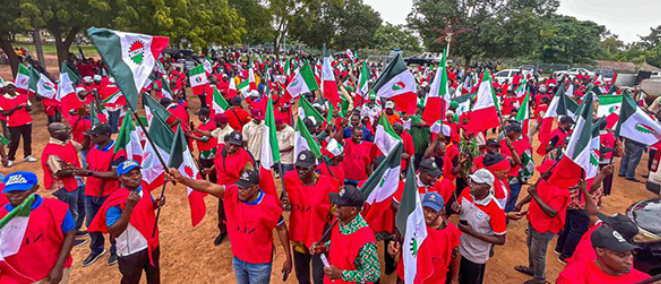
 The Nigeria Labour Congress (NLC) has announced a nationwide protest on December 17, 2025, in response to the country’s worsening security situation and the surge in attacks targeting schools, communities, and citizens.

The announcement came in a communiqué issued following the National Executive Council (NEC) meeting held on Thursday, December 4, at the NLC Sub-Secretariat in Yaba, Lagos. The decision follows the abduction of 24 schoolgirls in Kebbi State on November 17, an incident that left two school staff members dead.

The union expressed deep alarm over the rising wave of kidnappings, killings, and other violent acts perpetrated by bandits and armed groups. NEC noted that attacks on schools have reached an unprecedented level, demanding urgent government intervention.

“The NEC-in-Session demands an immediate and thorough investigation into, and prosecution of, all those involved in the withdrawal of security personnel from the affected schools,” the communiqué stated.

The union criticised the government for inadequate protection of schools, particularly those in remote areas and town outskirts. In response, the NLC directed all its affiliates and state councils to mobilise fully for the December 17 protest.

The NEC also reviewed chronic challenges in tertiary education, highlighting underfunding, deteriorating infrastructure, and unpaid staff entitlements. It called on the government to implement fair remuneration structures for academic and non-academic staff, warning against “divide-and-rule” tactics in negotiations with unions.

Regarding the ongoing strike by the Joint Health Sector Unions (JOHESU), which began on November 14, the NLC expressed concern over withdrawals by some nurses and warned that it would escalate industrial action if negotiations with the government fail.

The union further urged the immediate revival of the Lagos State Cooperative and Allied Organisations (LASCO) and criticised the Labour Party’s deviation from its working-class principles. NEC called on members to realign the party with labour ideology, integrity, and values, and ordered the withdrawal of NLC members from committees led by Nenadi Usman.

The NEC concluded that failure by the Federal Government to address insecurity, wage compliance, and other pressing labour issues could trigger wider industrial actions across critical sectors, including health and education.

Minimum Wage Push

The NLC reiterated its commitment to enforcing compliance with the N70,000 minimum wage, citing ongoing violations by states and the private sector, and vowed to sustain pressure until the law is fully implemented.

Reps Give NNPCL Boss December 15 Deadline To Address Audit Queries

The Public Accounts Committee (PAC) of the House of Representatives has summoned the Group Chief Executive Officer of the Nigerian National Petroleum Company Limited (NNPCL), Bayo Ojulari, to appear before the committee on Monday, December 15, 2025, to respond to multiple audit queries for the 2021 financial year raised by the Office of the Auditor-General of the Federation (OAuGF).

The directive was issued by PAC Chairman Bamidele Salam during the committee’s sitting at the National Assembly Complex in Abuja. Salam expressed concern over NNPCL’s repeated failure to honour previous invitations or submit requested documents, warning that the committee’s patience had been exhausted.

“Despite several reminders, the company has not complied with our requests. This committee will not abdicate its constitutional duty to scrutinise agencies under its purview,” Salam said.

During the resumed hearing, Salam read a letter from Ojulari citing an official engagement at the Presidential Villa as the reason for his absence. Committee members, however, rejected the explanation, describing it as disrespectful to the National Assembly and an obstruction to the audit review process.

Following an appeal by NNPCL’s National Assembly Liaison Officer, Umar Farouk, the committee granted a final extension, setting December 15 as the firm date for appearance and submission of all outstanding documents. “We have agreed to give you till next Monday, December 15, for a fresh appearance. This committee is extremely busy; if you had been attending recent sessions, you would understand the volume of matters before us,” Salam stated.

NNPCL is expected to address numerous audit red flags, including alleged payments to contractors for abandoned projects, failure to deduct statutory taxes, and irregular payments reportedly authorised by the Chief Finance Officer without approval from the then Group Managing Director.

The PAC, empowered by the constitution to examine audit reports from the Auditor-General, has in recent years expanded its oversight to tackle misuse of public funds, contract inflation, unauthorised expenditures, unretired advances, and non-remittance of revenue to the Federation Account. Its interventions have led to significant recoveries for the Federal Government and exposed widespread breaches of procurement and financial regulations.

The petroleum sector, particularly NNPCL, has been a recurrent focus of PAC hearings due to persistent audit concerns, including opaque subsidy claims, undocumented payments, joint venture cash calls, and gaps in crude oil sales and remittances.

The committee reiterated that no institution, regardless of size or strategic importance, is exempt from parliamentary oversight.

FG Bans Cash Payments In MDAs, Orders Full Adoption Of POS Terminals

The Federal Government has officially prohibited the use of physical cash for all revenue payments to Ministries, Departments, and Agencies (MDAs), mandating that Point of Sale (POS) terminals or other approved electronic payment systems be deployed within 45 days.

The directive, part of four Treasury circulars issued by the Office of the Accountant-General of the Federation (OAGF), was obtained by The PUNCH on Monday. Accountant-General Shamseldeen Ogunjimi said all payments to the Federal Government must now be made electronically and routed through channels approved by the Treasury.

“All payments to government must be made through electronic channels approved by the OAGF and integrated into the appropriate Treasury Single Account,” one of the circulars read, warning that continued acceptance of physical cash is strictly prohibited.

The first circular, titled Enforcement of No Physical Cash Receipt Policy for All Federal Government Revenue Transactions and dated November 24, 2025, expressed concern over the continued collection of cash at MDA revenue points, despite existing e-payment rules and the Treasury Single Account (TSA) framework.

“Physical cash collection violates extant policies and weakens the integrity of Federal Government e-collection and e-payment systems,” the circular stated. It directed MDAs and federal government-owned enterprises to sensitise staff and the public on the ban and to display notices reading No Physical Cash Receipt and No Cash Payment at all revenue collection points.

The circular further ordered MDAs to deploy functional POS terminals or approved electronic devices within 45 days, warning that accounting officers would be held responsible for any breaches.

A second circular, dated November 25, 2025, addressed unauthorised deductions by MDAs through customised payment platforms. It noted that some agencies were using front-end applications linked to Payment Solution Service Providers (PSSPs) to deduct charges, fees, and commissions before remitting the net amount to the TSA, a practice that undermines fiscal transparency.

The circular mandated an immediate halt to such deductions, requiring all revenue to be remitted to designated TSA or Sub-TSA accounts without deductions. Fees arising from service provision must now be paid directly from Treasury accounts. It also instructed MDAs to regularise all portals and PSSPs with the OAGF by December 31, 2025. Non-compliance would result in the suspension of access to the Government Integrated Financial Management Information System (GIFMIS) and TSA accounts.

The third circular, dated November 26, 2025, introduced the Federal Treasury e-Receipt (FTe-R), a unified electronic receipt system set to take effect on January 1, 2026. The FTe-R, to be issued through the Revenue Optimisation (RevOP) platform, will serve as the official proof of all federal transactions.

The fourth circular, dated November 27, 2025, outlined the rollout and implementation of the RevOP platform, aimed at improving revenue visibility, streamlining billing, and enabling real-time monitoring of MDA accounts. MDAs are required to nominate three officers as RevOP focal personnel within seven working days and ensure integration of existing financial systems with the platform. Only CBN-licensed PSSPs approved by OAGF and recommended by NITDA are permitted to operate under the system.

All MDAs are also mandated to submit full details of all local and foreign currency accounts and ensure compliance within 60 days. The measures represent the most significant overhaul of federal revenue administration since the introduction of the TSA over a decade ago.

Earlier in March 2025, the Federal Government unveiled the Treasury Management & Revenue Assurance System, designed to streamline federal revenue collections and payments across MDAs, including funds from donors, trust funds, social security, and special funds. The first phase, covering naira transactions, enables automatic tracking, deduction, and remittance of taxes, including VAT, Withholding Tax, and Stamp Duty. The second phase, scheduled for June 1, 2025, will integrate foreign exchange transactions with MDA Enterprise Resource Planning systems.

Dollar To Naira Exchange Rate For 9th December 2025

Dollar To Naira Exchange Rate For 8th Dec 2023

The exchange rate between the Naira and the US dollar, according to the data released on the FMDQ Security Exchange, the official forex trading portal, showed that the naira closed at 1480.00 per $1 on Tuesday, December 9th , 2025. The naira traded as high as 1450.00 to the dollar at the investors and exporters (I&E) window on Monday.

How much is a dollar to naira today in the black market?

Dollar to naira exchange rate today black market (Aboki dollar rate):

The exchange rate for a dollar to naira at Lagos Parallel Market (Black Market) players sell a dollar for ₦1490 and buy at ₦1480 on Monday 8th December, 2025, according to sources at Bureau De Change (BDC).

Please note that the Central Bank of Nigeria (CBN) does not recognize the parallel market (black market), as it has directed individuals who want to engage in Forex to approach their respective banks.

Dollar to Naira Black Market Rate Today

Dollar to Naira (USD to NGN)Black Market Exchange Rate Today
Selling Rate₦1490
Buying Rate₦1480

Dollar to Naira CBN Rate Today

Dollar to Naira (USD to NGN)CBN Rate Today
Highest Rate₦1457
Lowest Rate₦1450

Please note that the rates you buy or sell forex may be different from what is captured in this article because prices vary.

Equity Market Adds ₦247bn As Bullish Sentiment Drives Strong Opening To The Week

Stock Exchange Closes Trading Week With N30bn Gain

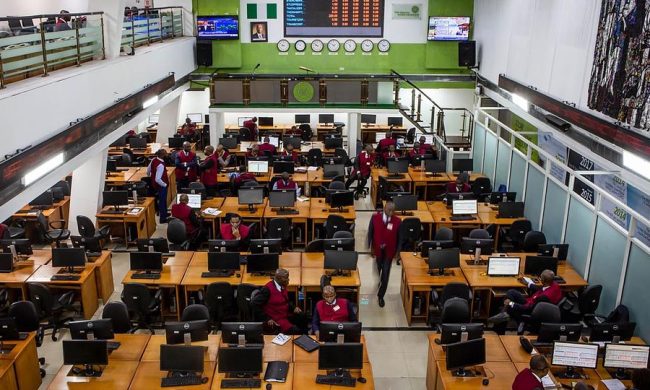
The Nigerian equities market opened the new trading week firmly in bullish territory, extending the positive streak seen over the previous sessions. Data from the Nigerian Exchange revealed that the benchmark index climbed 0.26% to close at 147,427.95 points, with overall market capitalisation rising by ₦247.21 billion to ₦93.97 trillion.

The upbeat performance reflects sustained buying activity across medium- and large-capitalisation stocks, including key players such as ZENITHBANK, MTNN, CADBURY, PZ, and GTCO, which collectively strengthened sectoral performance.

The All-Share Index rose by 386.88 basis points to finish at 147,426.95. Trading activity also expanded, with total transaction volume jumping 52.34%, although the total value of trades dipped by −6.60%.

Brokers reported that approximately 550.86 million shares worth ₦13,856.43 million were exchanged across 30,090 deals. FCMB was the most active stock, representing 23.95% of the total volume. It was followed by JAPAULGOLD (11.77%), ZENITHBANK (7.76%), FIDELITYBK (6.82%), and ACCESSCORP (5.28%).

In terms of value traded, ZENITHBANK dominated the chart, accounting for 19.74% of total turnover.

On the gainers’ list, MORISON led with a +9.89% increase, followed by NPFMCRFBK (+9.85%), SOVRENINS (+9.31%), CAVERTON (+9.18%), CHAMS (+7.84%), VERITASKAP (+7.47%), among others.

Meanwhile, fifteen equities recorded losses. DAARCOMM topped the laggards with a −7.14% decline, trailed by LIVESTOCK (-6.25%), NAHCO (-6.10%), UNIONDICON (-4.76%), JAIZBANK (-3.43%), and OMATEK (-3.36%).

Market breadth closed strongly positive, with 40 gainers against 15 losers. Sectoral performance was largely bullish: the Insurance Index topped sectoral returns with a 1.83% gain, followed by Banking at 0.94%.

The Industrial Goods Index rose 0.28%, while Consumer Goods edged up 0.08%. The Oil & Gas and Commodity indices were unchanged. Overall, investor sentiment remained robust, boosting the Exchange’s market capitalisation by ₦247.21 billion.

Nigerian Financial Market Update: Equities And Fixed Income Extend Gains As Investor Confidence Rises

Dollar To Naira Exchange Rate For 5th Dec 2023

Nigeria’s financial markets rounded off the trading day with a broadly upbeat close, as both equities and fixed-income instruments advanced on the back of renewed investor optimism. The equities segment maintained its lead, with overall market capitalisation improving by 0.26% to N93.96 trillion, reflecting persistent demand for companies with strong fundamentals.

Market analysts attributed the rebound to improved system liquidity and a gradual resurgence of risk appetite, particularly from institutional players repositioning for long-term opportunities.

The fixed-income market also sustained its upward momentum, edging higher by 0.03% to N51.27 trillion. Interest remained strong for sovereign and high-quality corporate debt securities, as investors continued to secure attractive yields amid expectations of stable monetary conditions.

The consistent interest in fixed-income assets highlights investors’ preference for portfolio diversification, blending capital preservation with income generation.

Today’s simultaneous uptick across major asset classes points to a market finding renewed balance as macroeconomic indicators become clearer. Activity was largely concentrated in sectors with resilient earnings patterns—banking, consumer goods, and energy—helping reinforce the market’s constructive tone. Fixed-income flows further signalled confidence in economic recovery prospects.

As the week progresses, analysts expect the cautious but positive sentiment to persist, supported by strengthening risk appetite and stabilising economic metrics. Investors are likely to maintain a mix of equities and fixed-income holdings as they monitor policy directions, liquidity patterns, and upcoming corporate announcements.

Unless disrupted by unforeseen macro shocks, current trends suggest a steadily improving market environment—offering opportunities for investors to accumulate undervalued positions while capitalising on attractive yield levels.

The stability observed in today’s session lays a favourable foundation for the days ahead, as year-end market flows begin to shape overall trading direction.

Naira Weakens Slightly After CBN’s $100 Million Forex Injection

Federation Account Amasses Over ₦5trn In 6months- RMAFC

The naira began the week on a softer note in the Nigerian Foreign Exchange Market (NFEM) despite the Central Bank’s $100 million FX intervention carried out late last week.

The currency continues to face pressure from elevated demand for the U.S. dollar, driven by year-end import obligations and multinational companies repatriating funds as the calendar winds down.

Fresh FX figures released by the Central Bank indicated that the official exchange rate touched an intraday peak of N1,457/$, marking a modest depreciation from Friday’s midday level.

Although the apex bank boosted liquidity with a $100 million FX sale to authorised dealers in a bid to enhance dollar availability, the intervention did little to halt the naira’s downward drift, which extended into Monday’s trading session.

Consequently, the official market rate slid by 0.10% to N1,451.86/$ at the NAFEM window, following persistent demand pressures tied to end-of-year commercial transactions.

Meanwhile, in the parallel economy, the exchange rate held steady at N1,463/$, highlighting the widening divergence between the regulated FX environment and the informal segment.

Market watchers expect the gap between the two markets to shrink gradually as the Central Bank moves ahead with its plan to reduce licensed Bureaux de Change operators to 82 nationwide. According to sources, authorities are preparing to begin supplying FX to the informal market starting in 2026 as part of broader reforms aimed at aligning the naira’s real value.

FG Urges Swift Prosecution Of Terrorists To Boost National Security

The Attorney General of the Federation and Minister of Justice, Lateef Fagbemi (SAN), has called on the judiciary to expedite trials in cases involving terrorism, human trafficking, kidnapping, and other violent crimes, stressing that swift judicial action is crucial to Nigeria’s national security efforts.

Fagbemi appealed on Monday in Abuja during the ceremonial opening of the Court of Appeal’s 2025/2026 Legal Year. The event was attended by the Minister of the Federal Capital Territory (FCT), Nyesom Wike, who pledged improved accommodation for judges to ensure they can discharge their duties without the distractions of poor living conditions.

Speaking at the event, Fagbemi emphasised the central role of the judiciary in addressing the country’s insecurity challenges. “At this solemn juncture in our national life, it is impossible to ignore the grave challenge of insecurity that confronts our country. From insurgency and terrorism to banditry, kidnapping, and violent crimes, these threats imperil not only the safety of our citizens but also the very fabric of our constitutional democracy,” he said.

He urged judges to support government efforts by fast-tracking terrorism cases. “The judiciary, as the guardian of justice and custodian of the rule of law, must lend its weight to national efforts to combat insecurity. Through firm, consistent, and courageous adjudication, courts can ensure that those who threaten peace and stability are held accountable, impunity is dismantled, and the sanctity of human life and property is protected,” Fagbemi said.

He further noted that the effectiveness of the judicial system is strengthened when terrorism-related cases are swiftly heard and resolved, sending a clear signal that acts of terror will face immediate and decisive legal consequences.

“The Federal Government remains deeply committed to combating terrorism through both kinetic and non-kinetic strategies, recognising that timely prosecution complements military and intelligence operations. Instead of resorting to indiscriminate detention or relying solely on battlefield engagements, the government is focused on the prompt prosecution of suspects involved in mass-casualty attacks, kidnapping-for-ransom networks, extremist recruitment, and terror financing,” Fagbemi added.

Acknowledging the need for more judicial personnel, he confirmed that the Tinubu administration is committed to appointing additional judges of the Federal High Court to reinforce national counter-terrorism efforts and ensure that terrorism-related cases are handled efficiently. He also called on citizens to unite against the scourge of terrorism, describing the moment as one for collective resolve rather than distraction.

In his remarks, FCT Minister Wike assured judicial officers that budgetary provisions have been made for new residential housing to alleviate accommodation challenges. “Providing comfortable and secure accommodation allows judges to focus entirely on the timely and efficient administration of justice, free from the distractions of inadequate living conditions,” he said.

Wike disclosed that, under the President’s directive, the FCT Administration had handed over the Certificate of Occupancy for the Supreme Court’s land and commenced full perimeter fencing of the complex to protect the apex court against encroachment and security threats. He described this intervention as long overdue and a confidence-building measure for the entire judiciary.

He also highlighted other judicial infrastructure projects, including new residences for Heads of Courts, a Magistrate Court complex in Jabi, staff quarters at the Nigerian Law School, and the design and construction of the Court of Appeal complex in Abuja, alongside residential quarters for judges of the National Industrial Court and the Federal High Court.

Reaffirming his administration’s commitment to justice sector reforms, Wike said, “Our priorities for the 2025/2026 Legal Year are focused on consolidating the gains made and expanding support where it is needed. Justice must never be compromised, for it is the bedrock of our democracy and the safeguard of public trust.” He expressed optimism that the new legal year would usher in greater efficiency and improved justice delivery for the Court of Appeal.

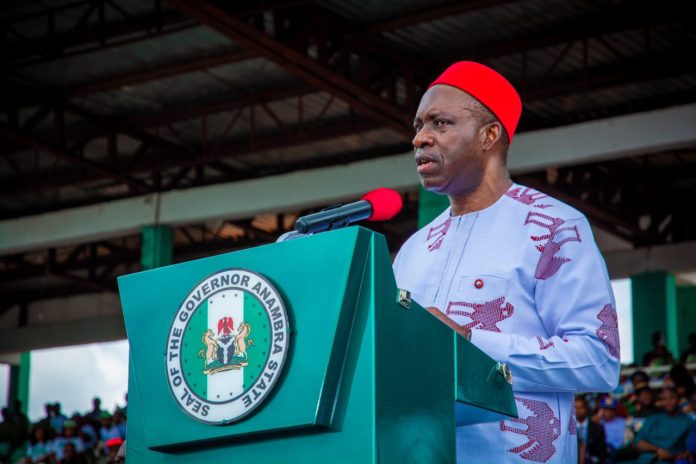
Anambra Govt Plans 10,000 Low Cost Homes In Isiagu

The Anambra State Government has announced plans to build 10,000 low cost housing units in Isiagu, Awka South Local Government Area.

The state Commissioner for Housing, Paully Onyeka, said the houses will help reduce the housing shortage facing civil servants and low income earners in the state.

He said the governor had approved the project earlier, but it was delayed by last minute challenges. He added that the issues have now been resolved.

Onyeka said construction will begin soon as the dry season has set in and there will be no further delay.

He explained that some issues were raised during the planning stage, but they have been sorted out, with the private sector taking part through a public private partnership.

He said the state’s road expansion projects have opened up new areas for estate development, making housing construction easier.

The commissioner said his ministry is also involved in other major projects. These include the upgrade of Ekwueme Square, work at the Commissioners’ Quarters and the construction of a new trauma centre at the Chukwuemeka Odumegwu Ojukwu University Teaching Hospital in Amaku.

He said the ministry supports building projects even when they are handled by other government departments.

Onyeka said the state, working with the federal government, also plans to build an additional 500 housing units for low income earners.

He said the project will be carried out through a public private partnership with real estate developers and will begin during the dry season.

He said the plan is designed to help workers and low income households gain access to decent and affordable housing.

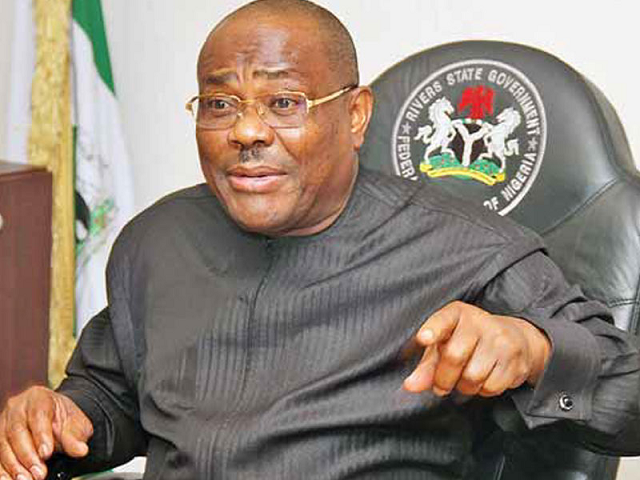
Wike Promises More Homes For FCT Judges

No Nigerian State Is Poor - Wike

Minister of the Federal Capital Territory, Nyesom Wike, has promised to build more houses for judges in the FCT. He said this is part of President Bola Tinubu’s plan to support the judiciary and help judges work better.

Wike spoke on Monday in Abuja at a special court session to mark the start of the 2025/2026 legal year of the Court of Appeal.

He said money has been set aside in the budget to build more houses for FCT High Court judges. He explained that this will reduce housing problems and make sure all judicial officers have decent accommodation.

Wike said good court buildings, chambers and support facilities help judges work in a safe and professional environment.

He said the FCT Administration has handed over the Certificate of Occupancy for the Supreme Court land. He also said work has started on fencing the entire Supreme Court complex to prevent encroachment and improve security.

Wike said these actions have helped to build confidence across the judiciary.

He also listed other projects being carried out to support the judiciary. These include the construction of new houses for heads of courts in the FCT and a new Magistrates Court complex in Jabi to improve access to justice and reduce pressure on existing courts.

He added that staff quarters are being built for the Nigerian Law School in the FCT. He also said work is ongoing on the Court of Appeal complex in Abuja and houses for judges of the National Industrial Court and the Federal High Court.

Wike said these projects were designed to help judges perform their duties better.

He said the idea is that when judges have safe and comfortable homes, they can focus on delivering justice without distraction.

Wike said the FCT Administration will continue to support justice reforms. He said priority will be given to completing housing projects and the Jabi Magistrates Court.

He added that the FCT will work with courts in Abuja to promote digitisation of court proceedings and registries to improve efficiency and reduce delays.

He stressed that justice must not be compromised and called on judges, lawyers, government agencies and citizens to work together to strengthen the judicial system.

ADC Threatens Protest Over Unpaid Contractor Debts, Pension Arrears

The African Democratic Congress has warned that it will join street protests if the Federal Government fails to clear outstanding debts owed to contractors and pension arrears.

The party said it was prepared to mobilise its members in support of indigenous contractors and pensioners who are demanding payment of billions of naira.

In a statement, the party’s spokesperson, Bolaji Abdullahi, accused the Federal Government of ignoring the welfare of citizens affected by unpaid obligations.

Contractors operating under the Association of Indigenous Contractors of Nigeria have been protesting at the Ministry of Finance over more than N500 billion in certified debts for completed projects.

The contractors reportedly carried symbolic coffins during their protests to highlight the seriousness of their demands.

In a related development, pensioners from the Federal Radio Corporation of Nigeria and other parastatals have announced plans to stage a nationwide naked protest over the failure to implement the approved minimum pension and monthly palliatives since 2023.

Abdullahi said no responsible government should allow conditions to worsen to the point where citizens resort to extreme protests before they are heard.

He criticised the ruling party, saying its actions and inactions have damaged the country’s image and worsened the hardship of ordinary Nigerians.

The party also questioned the Federal Government’s claims of improved revenue performance, saying it was contradictory to celebrate revenue growth while contractors remain unpaid.

The ADC further accused the government of prioritising political activities ahead of the 2027 elections instead of addressing the grievances of contractors and pensioners.

According to the statement, the party has given notice that it is ready to march in solidarity with the affected groups if immediate action is not taken.

PenCom Trains Agents To Recover N32.27bn From Defaulting Employers

The National Pension Commission has accredited pension recovery agents to intensify efforts to recover N32.27 billion from employers that failed to remit workers’ pension contributions.

The amount includes N15.87 billion in outstanding pension contributions and N16.40 billion in penalties covering the period from June 2012 to September 2025.

The Director General of PenCom, Omolola Oloworaran, made this known during a training workshop for accredited recovery agents held in Lagos.

She said the commission has adopted a zero tolerance approach to employers who default on pension remittances.

Represented by the Commissioner in charge of Inspectorate, Samuel Chigozie Uwandu, Oloworaran said the training marked a renewed nationwide push to enforce compliance with the Pension Reform Act 2014, which requires employers to remit pension contributions within seven working days of salary payment.

She explained that recovery agents have been empowered to audit defaulting employers, compute outstanding liabilities, issue demand notices and facilitate the recovery of unremitted funds.

According to her, PenCom recovered N2.06 billion from 49 defaulting employers in the third quarter of 2025 alone, including N775 million in principal contributions and N1.27 billion in penalties.

Oloworaran said persistent default by employers continues to undermine the contributory pension system and described every unremitted contribution as a broken promise to Nigerian workers.

She added that PenCom has moved from voluntary compliance to strict enforcement and warned that the era of impunity is over.

The commission said the recovery agents were selected through a competitive and transparent process, stressing that their role is critical to protecting workers’ retirement savings.

PenCom also disclosed that it has strengthened collaboration with the Corporate Affairs Commission and the Federal Inland Revenue Service to ensure that employers’ compliance status affects their regulatory standing and access to government services.

Ogun Retirees Protest, Demand Suspension Of Pension Scheme

Retired civil servants in Ogun State on Monday staged a protest at the Governor’s Office in Oke Mosan, Abeokuta, demanding the suspension of the Contributory Pension Scheme and payment of long overdue pension deductions.

The protesters accused successive administrations of failing to remit workers’ pension contributions and the government’s counterpart funding into their Retirement Savings Accounts for nearly 18 years.

They said deductions were made regularly from their salaries, but the funds were not transferred, leaving many retirees with less than N3 million after more than 30 years of service.

The pensioners also said their gratuities under the old Defined Benefit Scheme were never fully paid, alleging that previous governments ignored legal obligations and delayed implementation timelines.

Speaking for the retirees, Daniel Akanji described the scheme as a harmful policy that has pushed many pensioners into hardship. He said some retirees have been unable to afford healthcare or sponsor their children’s education, while others died due to lack of financial support.

The protesters criticised labour unions, including the Nigerian Labour Congress, Trade Union Congress and the Joint Negotiation Committee, for failing to defend workers and signing agreements without proper consultation.

They also questioned why people exempted from the pension scheme were appointed to oversee its implementation.

Responding to the protest, the Permanent Secretary of the Bureau of State Pensions, Arinola Adetayo, asked the retirees to remain calm. She said the government had approved steps to remit outstanding arrears and credit retirees’ accounts once all required documents are submitted.

She added that monthly pension payments would begin through their Retirement Savings Accounts after the current palliative payments.

Despite the assurances, the retirees insisted that the Contributory Pension Scheme should be suspended until all arrears and gratuities are fully paid.

Tinubu Honours Keyamo With Aviation Reform Award

President Bola Ahmed Tinubu has honoured the Minister of Aviation and Aerospace Development, Festus Keyamo, with the Excellence in Aviation Sector Reforms Award for his role in improving Nigeria’s aviation sector.

The award was presented at the Nigeria Excellence Awards in Public Service, held at the State House Conference Centre in Abuja over the weekend.

The awards ceremony is organised by the Office of the Secretary to the Government of the Federation to recognise outstanding performance in public service.

The Secretary to the Government of the Federation, Senator George Akume, presented the award on behalf of the President. He said Keyamo’s leadership has improved aviation safety, strengthened consumer protection, upgraded infrastructure and restored investor confidence in the sector.

Other public officials were also honoured at the event. They include the Minister of Information, Mohammed Idris, EFCC Chairman Ola Olukoyede, NDLEA Chairman Mohammed Buba Marwa, and the Comptroller General of the Nigeria Customs Service, Bashir Adewale Adeniyi.

In a statement, Unity Moshood, media aide to the minister, said the awards reflect President Tinubu’s commitment to accountability, transparency and strong performance in public institutions.

The ceremony was attended by senior government officials, industry leaders, diplomats and other stakeholders from across the country.

BizWatchNigeria.Ng
Privacy Overview

This website uses cookies so that we can provide you with the best user experience possible. Cookie information is stored in your browser and performs functions such as recognising you when you return to our website and helping our team to understand which sections of the website you find most interesting and useful.