





Home Blog Page 138

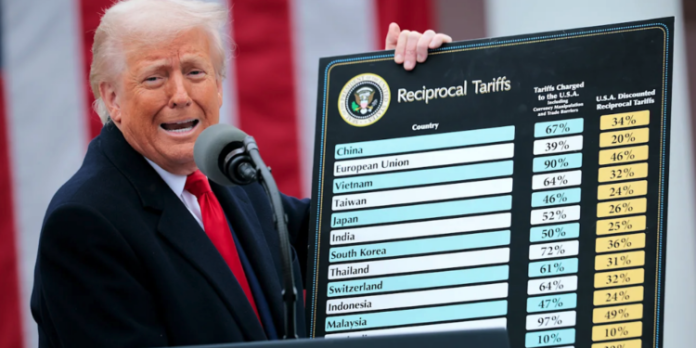
Trump Threatens Tariffs On Indian Imports, Sets Trade Deal Deadline For August 1

US President Donald Trump has set a firm August 1 deadline for concluding a trade agreement with India, warning that failure to reach a deal could result in tariffs as high as 25% on Indian goods entering the American market.

Trump voiced displeasure over India’s tariff policies, highlighting what he called an “unfair” trade imbalance. Data from the US Commerce Department reveals that American imports from India totaled $87 billion in 2024, while exports to India stood at just $42 billion. Key Indian exports include pharmaceuticals, mobile devices, and textiles.

“India imposes some of the steepest tariffs globally,” Trump stated, adding that such conditions hinder fair negotiations. Although the US had announced a 26% tariff on Indian imports back in April, the policy was suspended to allow room for trade talks.

Now, with time running out, Trump has issued a stern warning: countries lacking trade pacts with Washington may soon face tariffs between 15% and 20%, a significant jump from the 10% base rate introduced earlier this year.

Indian Commerce Minister Piyush Goyal, however, remains optimistic, calling recent talks “fantastic.” Despite this optimism, sources in New Delhi suggest that India is unlikely to offer new concessions until a US delegation arrives in mid-August for further negotiations.

The upcoming sixth round of discussions, scheduled for August 25, will focus on resolving key issues such as agricultural access, dairy trade, and industrial tariffs. Both nations are working toward finalizing a broader trade framework by September or October.

Among US priorities are improved market access for industrial goods, electric vehicles, genetically modified crops, and specialty foods such as tree nuts, apples, and wine.

Despite lingering disagreements, both India and the US acknowledge the importance of strengthening bilateral economic ties. Projections indicate that total trade in goods between the two countries could reach $129 billion this year, with India maintaining a trade surplus of approximately $46 billion.

CAC Moves To Delist 100,000 Inactive Companies From Registry

The Corporate Affairs Commission (CAC) has announced plans to delist around 100,000 dormant and non-compliant companies from its register, citing prolonged failure to meet statutory obligations under the Companies and Allied Matters Act (CAMA) 2020.

According to the Commission, the affected companies have not filed annual returns or disclosed beneficial ownership information for over a decade, violating Sections 692(3) and (4) of CAMA.

In a notice issued by the CAC, a 90-day deadline has been given for the companies to regularize their status by submitting all outstanding annual returns and necessary documentation. Where applicable, firms are also required to send activation emails to activation@cac.gov.ng.

Failure to comply within the stipulated timeframe will result in the companies being struck off the register. Once delisted, such entities will be deemed dissolved and barred from legally conducting business in Nigeria. Any future reinstatement would require a court order from the Federal High Court.

The list of affected companies has been published on the CAC website.

The Commission said the exercise is aimed at sanitizing Nigeria’s corporate registry and ensuring that only active, compliant entities operate within the formal economy. It also aligns with broader efforts to improve corporate transparency and strengthen anti-money laundering frameworks.

Oil Prices Climb Toward $71 As Trump Threatens Russia With Secondary Sanctions

Crude oil prices rose on Tuesday, buoyed by tightening supply expectations, growing geopolitical risks, and stronger-than-expected U.S. economic data. Brent crude climbed over 1% toward $71 per barrel, while West Texas Intermediate (WTI) futures advanced past $67.50, extending Monday’s 2.4% gain.

The gains come amid heightened concerns over supply disruptions, as markets brace for potential secondary sanctions on Russia. Former U.S. President Donald Trump warned Moscow of new penalties if it fails to agree to a Ukraine ceasefire within 10–12 days—a move that follows fresh EU sanctions already affecting global oil flows. India’s Nayara Energy, a major Russian crude buyer, has reportedly cut refinery output in response.

Despite these gains, the broader outlook for the global economy remains uncertain. The International Monetary Fund (IMF) has projected global GDP growth of just 3% for the year, while several ratings agencies have issued bearish forecasts for 2025, fueling concerns of weaker long-term demand.

On the macro front, improved U.S. consumer confidence data helped support short-term demand optimism. Investors are now focused on the upcoming August 1 trade deal deadline and the next OPEC+ meeting, where production levels for September will be determined.

Oil remains on track for a third consecutive monthly gain, underpinned by strong summer demand and falling inventories. However, analysts warn that rising OPEC+ production could lead to a surplus later in the year.

In the UK, natural gas futures rebounded toward 83 pence per therm after dipping to a three-week low, driven by reduced Norwegian flows due to maintenance at the Troll field and delayed restarts at Hammerfest LNG. Warmer weather is also pushing up demand across Northwest Europe.

Britain’s energy supply risks are further heightened by limited storage capacity. With only about 12 days of winter gas reserves—far below EU averages—there are fears the Rough storage site, the UK’s largest, may close by 2025 without state support. Centrica is considering a £2 billion upgrade, but for now, the country remains heavily reliant on imports from Norway, the EU, and global LNG markets.

Crown Flour Mill Signs Culinary Icon, Ify Mogekwu, As Brand Ambassador For Supreme Semolina

L-R: Bola Adeniji, General Manager and Head of Marketing at Olam Agri Nigeria; Chief Bolaji Anifowose, Peace Broker of the Master Bakers Association of Lagos; Ify Mogekwu, the founder of Ify’s Kitchen; Nitin Mehta, Managing Director and Business Head at CFM; HRM Eze (Dr.) Vitus U. Kasa, Okwadike Assa II of Assa Kingdom, Ikeduru, Imo State; Alhaji Yahaya Fufore, Dangaladima and Council Member of Fufore Emirate, and Siddharth Suri, Vice President and Business Head at CFM, during the crowning of Ify Mogekwu as Supreme Semolina Brand Ambassador, in Lagos, recently.

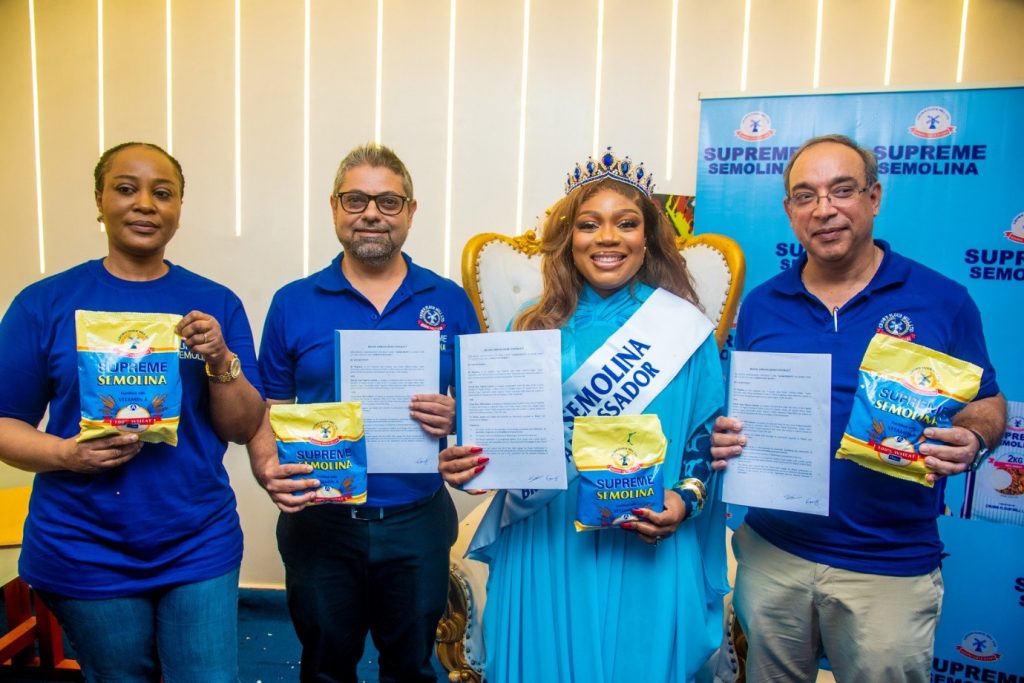
Crown Flour Mill (CFM) Limited, the wheat milling and pasta business of Olam Agri in Nigeria, has officially named celebrated culinary expert and global food influencer Ify Mogekwu as the brand ambassador for its flagship product, Supreme Semolina.

CFM unveiled the partnership at a high-profile event on Wednesday, July 16, 2025, at its Tin Can facility in Apapa, Lagos. Ify Mogekwu, the founder of Ify’s Kitchen, inspires over 7 million food lovers globally with her bold, feel-good Nigerian and African recipes. She is a two-time Gage Award winner for Food Vlogger of the Year (2023 & 2024) and a YouTube Black Voices Creator, known for her vibrant storytelling and culinary innovation.

L-R: Bola Adeniji, General Manager and Head of Marketing at Olam Agri Nigeria; Siddharth Suri, Vice President and Business Head at CFM; Ify Mogekwu, the founder of Ify’s Kitchen, and Nitin Mehta, Managing Director and Business Head at CFM, during the official unveiling of Ify Mogekwu as Supreme Semolina Brand Ambassador, in Lagos, recently.

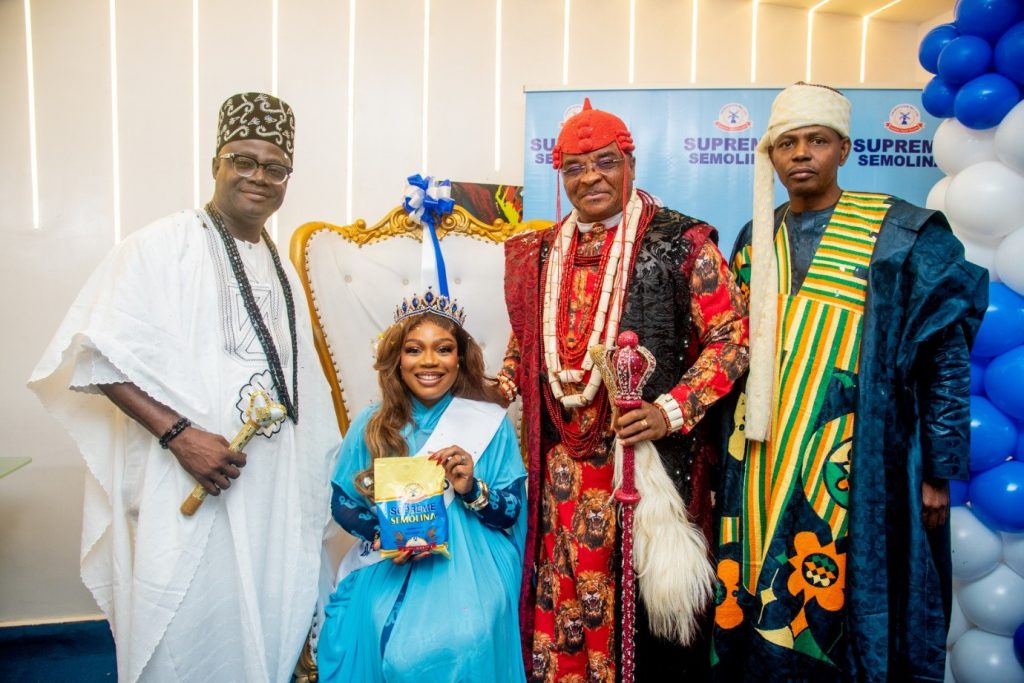
The event also featured a unique cultural moment: the ceremonial crowning of Ify Mogekwu as brand ambassador, symbolising her alignment with the values of Supreme Semolina. Three distinguished personalities carried out the crowning: HRM Eze (Dr.) Vitus U. Kasa, Okwadike Assa II of Assa Kingdom, Ikeduru, Imo State, Chief Bolaji Anifowose, Peace Broker of the Master Bakers Association of Lagos, and Alhaji Yahaya Fufore, Dangaladima and Council Member of Fufore Emirate.

This powerful gesture highlighted the cultural significance and national appeal of the brand, affirming Supreme Semolina as a product that transcends ethnic boundaries and unites consumers through quality, trust, and tradition.

The announcement follows the successful relaunch of Supreme Semolina in late 2024. The product now offers enhanced texture, extended shelf life, and an improved cooking experience, reflecting Olam Agri’s commitment to quality, nutrition, and affordability for Nigerian families.

Siddharth Suri, Vice President and Business Head at CFM, shared his excitement, “At Olam Agri, we believe food is about more than sustenance, it’s about culture, connection, and wellbeing. Ify’s passion for quality and authenticity mirrors our mission. This partnership is a natural fit as we work together to enrich the everyday dining experience and deepen our impact across homes in Nigeria.”

Nitin Mehta, Managing Director and Business Head at CFM, emphasised the strategic importance of the collaboration, “This is not just a brand endorsement, it’s a purposeful alliance. Ify’s voice brings both relatability and authority. Supreme Semolina represents the best in innovation, fortified with essential nutrients and crafted for exceptional taste and texture. Together, we’re promoting good food, good health, and a stronger food system.”

L-R: Chief Bolaji Anifowose, Peace Broker of the Master Bakers Association of Lagos; Ify Mogekwu, the founder of Ify’s Kitchen; HRM Eze (Dr.) Vitus U. Kasa, Okwadike Assa II of Assa Kingdom, Ikeduru, Imo State, and Alhaji Yahaya Fufore, Dangaladima and Council Member of Fufore Emirate, during the crowning of Ify Mogekwu as Supreme Semolina Brand Ambassador, in Lagos, recently.

Ify Mogekwu expressed her pride in joining the Supreme Semolina story, “Being named brand ambassador is a true honour. Supreme Semolina embodies everything I believe in: quality, consistency, and nourishment. As someone who values every ingredient that goes into a meal, I can confidently say this product delivers. I look forward to sharing its value with more families, in Nigeria and beyond.”

Bola Adeniji, General Manager and Head of Marketing at Olam Agri Nigeria, reflected on the brand’s legacy, “Since 2004, Supreme Semolina has been a beloved staple in Nigerian homes. Our 2024 relaunch focused on fortification, innovation, and improving consumer experience. Now, with Ify as our ambassador and the strong cultural affirmation seen at this event, we’re taking the brand to a new level, reaching more people and reinforcing our vision for a food-secure Nigeria.”

NGX Market Capitalisation Soars Past ₦87 Trillion Amidst Gains In Dangote, MTN, GTCO

NGX Records N256bn Loss Last Week

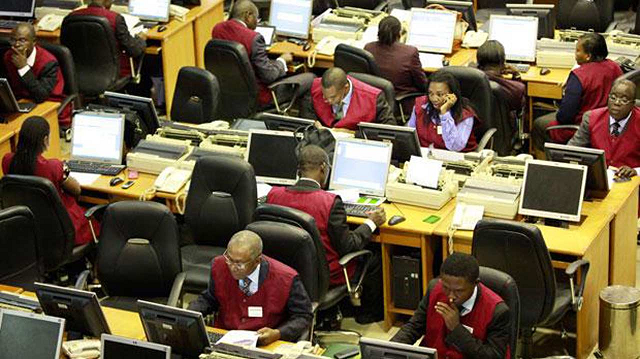
The Nigerian Exchange (NGX) extended its bullish run, crossing the ₦87 trillion mark in total market capitalisation, propelled by strong rallies in heavyweights such as Dangote Cement, GTCO, and MTN Nigeria.

Market value swelled by approximately ₦1.74 trillion as investors reacted positively to robust second-quarter earnings reports released by listed firms. The NGX’s benchmark All-Share Index climbed by 2.03%, driving year-to-date performance up to 33.99%.

Investor sentiment remained optimistic, with heightened buying activity focused on medium to large-cap stocks such as DANGSUGAR, ELLAHLAKES, BERGER, and MTNN. Analysts pointed to the ongoing release of half-year financials as a major catalyst, fuelling hopes of stronger earnings from companies yet to report.

The All-Share Index surged by 2,746.36 basis points, closing at a record-breaking 137,912.87 points — a 2.03% jump from the previous close.

Trading activity was upbeat, according to NGX data, with total transaction volume and value increasing by 18.25% and 31.84%, respectively. A market report by Atlass Portfolio Limited noted that investors exchanged around 940.80 million units worth ₦30.63 billion in 28,358 executed deals.

FIDELITYBK topped the volume chart, contributing 11.87% of the day’s total trades. ROYALEX (7.90%), JAIZBANK (6.49%), UNIVINSURE (4.08%), and ACCESSCORP (3.93%) followed closely.

In terms of trade value, MTNN dominated, accounting for 11.76% of the total turnover. On the price leaderboard, BERGER, HMCALL, LEARNAFRCA, and THOMASWY each recorded a 10.00% gain to top the advancers’ chart.

Other notable gainers included ELLAHLAKES (+9.99%), MTNN (+9.99%), ACADEMY (+9.96%), DANGSUGAR (+9.94%), and UACN (+9.93%). A total of 42 additional stocks posted gains.

Conversely, ABBEYBDS and NNFM led the laggards with 10.00% losses each. VITAFOAM (-9.96%), INTBREW (-7.10%), ETRANZACT (-4.76%), MAYBAKER (-3.19%), and OANDO (-1.72%) also declined.

With 51 gainers versus 25 losers, the market breadth remained solidly in positive territory. Sectoral performance was broadly upbeat: Banking (+2.34%), Insurance (+1.93%), Consumer Goods (+2.78%), Oil & Gas (+2.46%), Industrial Goods (+4.10%), and Commodities (+1.62%).

The overall market capitalisation settled at ₦87.19 trillion, reflecting a 2.03% increase, underpinned by persistent bargain hunting and strong corporate earnings outlooks.

U.S. 10-Year Treasury Yield Slips To 4.36% Amid Policy Uncertainty

Dollar

Yields on U.S. government bonds edged lower on Tuesday, with the 10-year Treasury note falling to 4.36% as markets digested the implications of recent economic data and ongoing fiscal policy debates.

Investor demand for Treasuries remained strong after key economic figures showed signs of moderation. Additionally, recent trade deals between the U.S., Japan, and the European Union contributed to a stronger dollar, indirectly supporting bond prices.

Market participants anticipate that the U.S. Treasury will maintain its current auction sizes for Q3, aligning with dealer expectations despite earlier concerns about excessive borrowing needs following fiscal expansions under President Donald Trump’s administration.

President Trump’s continued criticism of Federal Reserve Chair Jerome Powell for not easing rates added pressure ahead of the central bank’s policy meeting. The Fed is widely expected to keep interest rates steady amid mixed economic indicators and inflationary concerns linked to upcoming tariffs.

U.S. equity markets remained under pressure. The Dow Jones Industrial Average slid over 150 points, while the S&P 500 and Nasdaq 100 hovered near break-even after early session gains faded, driven by disappointing corporate earnings and lingering trade tensions.

Despite a general agreement between the U.S. and the EU on future trade collaboration, investor anxiety persisted due to unresolved details, with potential tariff hikes looming for other U.S. trading partners by Friday.

Meanwhile, data from the Bureau of Labor Statistics showed that job openings in June 2025 declined by 275,000 to 7.437 million, below consensus estimates. Significant drops were recorded in accommodation and food services (-308,000), healthcare (-244,000), and finance (-142,000), although retail (+190,000) and public education (+61,000) sectors recorded gains.

Job quits also declined for the second consecutive month to 3.142 million, the lowest level since December 2024. The South and Midwest regions saw notable declines in voluntary job departures, while figures in the West and Northeast showed slight upticks.

The U.S. Treasury Department announced plans to auction $65 billion in 17-week bills on Wednesday, maturing on December 2, 2025. The Federal Reserve holds $664 million of these securities for its own account and may bid in addition to public participants.

Naira Strengthens Against Dollar As External Reserves Rebound Above $39 Billion

Federation Account Amasses Over ₦5trn In 6months- RMAFC

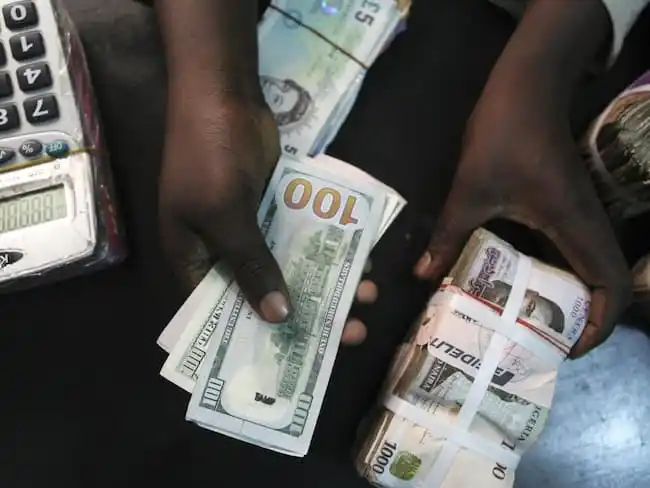
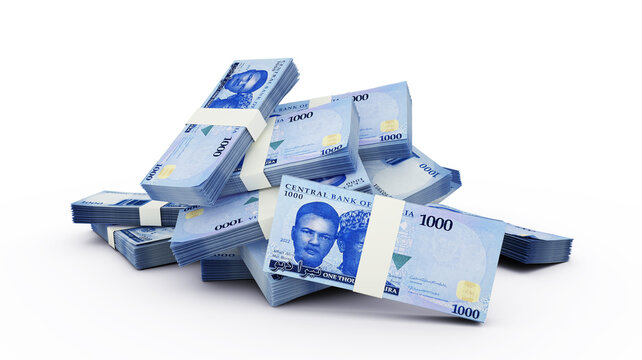
The Nigerian naira appreciated slightly against the U.S. dollar in the official market, buoyed by reduced demand pressures and improving investor confidence, while the country’s foreign reserves surpassed the $39 billion threshold for the first time in months.

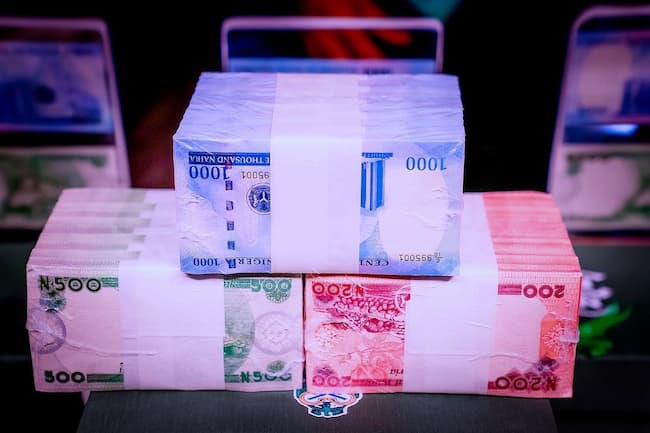
According to the Central Bank of Nigeria (CBN), the official exchange rate strengthened to ₦1,533.18 per dollar on Tuesday, compared to ₦1,534.20 recorded a day earlier. Trading data also showed intraday fluctuations, with rates reaching a high of ₦1,535.50 and dipping to a low of ₦1,520, before settling at ₦1,532.50.

Analysts believe that the CBN’s direct intervention strategy is shielding the local currency from excessive volatility, further reinforced by the recovery in external reserves.

Latest data from the CBN indicates that Nigeria’s foreign reserves have risen above $39 billion — the highest since February 2025 — reversing the downward trend that followed $4.7 billion in forex interventions in the first half of the year which dragged reserves to around $37 billion.

However, the lack of detailed data on the origin of the recent inflows continues to obscure clarity on reserve dynamics, despite the positive trend observed throughout July.

In the parallel market, checks by MarketForces Africa showed that the naira exchanged at ₦1,532 to the dollar, essentially narrowing the gap between official and street rates and dampening speculative activity in the forex market.

Meanwhile, global markets remained on edge ahead of the Federal Reserve’s policy meeting. Brent crude oil rose to $70.41 per barrel, while U.S. West Texas Intermediate (WTI) advanced by $1.89 to trade at $67.05 per barrel, as markets responded to a fresh U.S.-EU trade agreement and President Trump’s ultimatum to Russia over the Ukraine conflict.

In contrast, gold prices dipped following the stronger dollar and renewed risk appetite, as traders awaited direction from the Fed’s monetary policy decision later this week.

Dollar To Naira Exchange Rate For 30th July 2025

Dollar To Naira Exchange Rate For 8th Dec 2023

The exchange rate between the Naira and the US dollar, according to the data released on the FMDQ Security Exchange, the official forex trading portal, showed that the naira closed at 1550.00 per $1 on Wednesday, July 29th, 2025. The naira traded as high as 1520.00 to the dollar at the investors and exporters (I&E) window on Tuesday

How much is a dollar to naira today in the black market?

Dollar to naira exchange rate today black market (Aboki dollar rate):

The exchange rate for a dollar to naira at Lagos Parallel Market (Black Market) players buy a dollar for ₦1545 and sell at ₦1550 on Tuesday 29th July, 2025, according to sources at Bureau De Change (BDC).

Please note that the Central Bank of Nigeria (CBN) does not recognize the parallel market (black market), as it has directed individuals who want to engage in Forex to approach their respective banks.

Dollar to Naira Black Market Rate Today

Dollar to Naira (USD to NGN)Black Market Exchange Rate Today
Buying Rate₦1545
Selling Rate₦1550

Dollar to Naira CBN Rate Today

Dollar to Naira (USD to NGN)CBN Rate Today
Highest Rate₦1535
Lowest Rate₦1520

Please note that the rates you buy or sell forex may be different from what is captured in this article because prices vary.

IMF Raises Nigeria’s 2025 Growth Forecast to 3.4%, Reiterates Call for Structural Reforms

IMF Calls On Countries To Prevent Second Cold War

…3.2% projected for 2026 • Rewane: Nigeria’s economy cannot grow without fixing power supply

The International Monetary Fund (IMF) has revised Nigeria’s economic growth forecast upward, projecting a 3.4% Gross Domestic Product (GDP) growth for 2025 and 3.2% for 2026. This represents an increase from its earlier estimates of 3.0% and 2.7%, respectively, signalling cautious optimism about the country’s economic trajectory.

The revised projections were released on Tuesday in the IMF’s latest World Economic Outlook (WEO) report titled “Global Economy: Tenuous Resilience Amid Persistent Uncertainty.”

Despite the modest upgrade, the Fund warned that Nigeria and other Sub-Saharan African (SSA) countries must pursue urgent structural and institutional reforms to sustain growth and cushion against ongoing vulnerabilities.

At the virtual presentation of the report, Deniz Igan, Division Chief, IMF Research Department, highlighted regional trade integration, infrastructure investment, and reform of state-owned enterprises—especially in the energy and transport sectors—as critical areas requiring policy attention.

“Sub-Saharan Africa faces immense economic headwinds,” Igan said. “Structural reforms, such as better infrastructure and governance, are essential for unlocking renewed growth.”

She further called for equitable fiscal reforms, including eliminating poorly targeted tax exemptions, increasing reliance on progressive income taxes, and strengthening transparency to build public trust and prevent social unrest.

“There is an urgent need to mobilise revenue without exacerbating inequality. That requires better engagement with stakeholders, smarter sequencing of policy, and protecting the most vulnerable in society,” she noted.

Also speaking, IMF’s Director of Research, Pierre-Olivier Gourinchas, underscored the danger posed by high debt levels and persistent fiscal deficits in many developing economies, including Nigeria.

“The lack of fiscal space leaves many countries highly vulnerable to shifts in global financial conditions,” he warned. “Safeguarding central bank independence is key to maintaining investor confidence and macroeconomic stability.”

He stressed the importance of predictable trade and monetary policy environments, advocating for a renewed commitment to central bank independence, which he described as vital in anchoring inflation expectations and supporting stable economic growth.

Rewane: Power Crisis Threatens Nigeria’s Growth Prospects

While the IMF remains upbeat about Nigeria’s medium-term growth, leading economist and Managing Director of Financial Derivatives Company, Bismarck Rewane, has warned that any real progress will remain elusive unless Nigeria resolves its lingering power crisis.

Speaking on a national television programme on Tuesday, Rewane said that electricity outages are choking economic output in key industrial zones such as Lagos and Ogun States.

“Lagos and Ogun contribute about 30% of Nigeria’s GDP,” he said. “If you lose power for a month, you lose one-twelfth of 30% of national output—that’s a huge economic cost.”

He described the power sector’s woes as multi-dimensional, citing cultural inertia, pricing distortions, debt burdens, and chronic underinvestment as critical barriers.

“You cannot grow the economy with what we have today. The power crisis is not something you fix with a Band-Aid—it needs urgent, holistic intervention,” Rewane added.

Assessing broader economic trends, Rewane noted that Nigeria’s GDP grew by 3.13% in Q1 2025, with the service sector continuing to dominate, while manufacturing output lags. He also observed that agriculture has become more prominent in recent quarters, reflecting a structural shift within the economy.

FG Applauds Dangote Refinery’s Engineering Excellence And Talent Development

The Federal Government has commended the Dangote Petroleum Refinery for its world-class engineering accomplishments and its robust investment in developing Nigeria’s human capital, describing the project as a symbol of national pride and industrial ambition.

Minister of Industry, Trade and Investment, Dr Jumoke Oduwole, gave the commendation during an official visit to the multi-billion-dollar refinery located at the Lekki Free Trade Zone in Lagos, according to a statement by the Dangote Group.

Dr Oduwole, a senior lecturer and policy expert, praised the dual emphasis of the facility on cutting-edge infrastructure and youth empowerment, noting that the refinery was not only a testament to Nigeria’s industrial potential but also a model for homegrown talent development.

“We are not just celebrating the scale of infrastructure—the bricks, mortar, and pipelines,” she said. “We are deeply inspired by the calibre of young Nigerians managing world-class equipment with skill and professionalism. Many of them have never left the country, yet they operate at par with global standards. That is something truly remarkable.”

The Minister also lauded Africa’s richest man, Alhaji Aliko Dangote, for his vision and unwavering commitment to Nigeria’s industrial transformation.

“Listening to Alhaji Dangote speak about this project is a masterclass in possibility. This refinery is not just a facility—it is a bold declaration that world-class innovation can and does happen in Nigeria,” she added.

During a presentation to the minister, Vice President of Oil & Gas at Dangote Industries Limited, Mr Edwin Devakumar, highlighted the refinery’s capacity and impact.

He noted that the 650,000 barrels per day (bpd) single-train refinery—the largest of its kind globally—produces Euro-V grade petrol, diesel, jet fuel, and polypropylene. According to him, the refinery is capable of meeting Nigeria’s entire domestic demand for refined petroleum products, with excess available for export.

Devakumar emphasised the refinery’s advanced environmental compliance systems, self-sufficient marine terminal for crude offtake and product loading, and a 435-megawatt power generation capacity—enough to meet the electricity needs of the Ibadan Electricity Distribution Company, which serves five states.

“In executing both the petroleum refinery and petrochemical complex directly as an EPC (Engineering, Procurement and Construction) contractor, we achieved a rare global feat,” he said.

He added that over 60,000 skilled Nigerians were employed during the construction phase, many of whom have since gained international experience, including in the UAE, contributing to Nigeria’s human capital export and foreign remittance inflow.

The company’s approach to workforce development has earned it accolades from several national bodies. The Nigerian Content Development and Monitoring Board (NCDMB), led by Executive Secretary Felix Ogbe, recently commended Dangote Industries for its investment in engineering capacity.

Similarly, a coalition of leading engineering organisations—comprising the Nigerian Society of Engineers (NSE), the Nigerian Academy of Engineering (NAE), the Association of Consulting Engineering in Nigeria (ACEN), and the Council for the Regulation of Engineering in Nigeria (COREN)—also praised the active engagement of Nigerian professionals in the refinery’s construction, commissioning, and operations during a tour of the facility.

The Dangote Petroleum Refinery, now hailed as a transformative project, is expected to drastically reduce Nigeria’s reliance on fuel imports, enhance energy security, and contribute significantly to national economic growth.

ICPC Indicts 92 MDAs Over Failure To Establish Anti-Corruption Units

The Independent Corrupt Practices and Other Related Offences Commission (ICPC) has raised concerns over the lukewarm attitude of several Ministries, Departments, and Agencies (MDAs) towards institutional anti-corruption efforts, indicting 92 MDAs for failing to establish Anti-Corruption and Transparency Units (ACTUs).

The Commission made this known on Tuesday during an investigative hearing organised by the House of Representatives Committee on Anti-Corruption in Abuja.

According to a report presented at the session, the ICPC disclosed that while 127 MDAs had weak or ineffective ACTUs as of the end of 2024, 92 others were yet to establish the mandatory units. It also noted that five MDAs had ACTUs only in name, thereby undermining the government’s broader anti-corruption objectives.

Delivering the Commission’s position, ICPC Chairman, Musa Ali, who was represented by Mr Olusegun Adigun, revealed that only 84 MDAs currently operate functional ACTUs.

Ali acknowledged that despite these challenges, the Commission has developed strategic approaches to combat corruption within public institutions. He, however, decried several setbacks facing ACTUs, including poor funding, political interference, lack of political will, institutional resistance to reform, and insufficient support from leadership.

He further recommended continuous training for ACTU members, greater stakeholder engagement, and enhanced public awareness of the unit’s role within the civil service.

Declaring the hearing open, Speaker of the House of Representatives, Tajudeen Abbas, represented by Umar Ajilo, said the session was a proactive measure to assess the performance of ACTUs and reinforce accountability within MDAs.

“This is not a witch-hunt but a strategic intervention. Corruption continues to erode public trust and stall our national development. We must reaffirm our resolve and take decisive action,” Abbas said.

He reminded stakeholders that ACTUs were established to monitor and prevent corrupt practices and to entrench a culture of transparency and ethical conduct in the public sector. However, he emphasised that their effectiveness hinges on political will and strong institutional backing.

“This hearing gives us an opportunity to evaluate the functionality of ACTUs, engage with stakeholders, and consider legislative measures to strengthen them,” he added. “We must dismantle the frameworks that enable corruption and institutionalise transparency and accountability.”

Also speaking, Chairman of the House Committee on Anti-Corruption, Kayode Akiolu, described the hearing as critical to Nigeria’s democratic consolidation. He recalled that ACTUs were first mandated in 2001 and 2003 through circulars from the Office of the Head of Civil Service of the Federation, as part of ICPC’s efforts to decentralise the fight against corruption.

“These units were created based on the understanding that civil servants are best placed to detect and prevent corrupt practices within their institutions,” Akiolu said. “Through ACTUs, ICPC has effectively extended its reach to over 400 MDAs without expanding its workforce—a commendable innovation in public sector governance.”

He, however, acknowledged that while some ACTUs had delivered on their mandate, others had failed to uphold their responsibilities, with a few allegedly complicit in corrupt practices themselves.

“Our mandate is not just to assess performance but to insist on institutional integrity. We must make it unequivocally clear that corruption has no place in governance—whether from within or outside,” he asserted.

In her remarks, Head of the Civil Service of the Federation, Esther Didi Walson-Jack, represented by Director of Finance and Accounts, Emeka Aziwe, admitted that despite operational constraints, some ACTUs have made tangible progress.

Rotary Club Of Lekki Golden Delivers Free Healthcare To Ikota Community

The Rotary Club of Lekki Golden has provided free healthcare services, insecticide-treated mosquito nets, and sickle cell screening kits to underserved families in Ikota, Lekki, Lagos, through its maternal and child health initiative, Project Safe Start.

The outreach was carried out in partnership with Orchid Road General Hospital and BioSci Health Care. It focused on offering preventive care, early diagnosis, and basic medical support to women and children in the community.

Speaking at the event, President of the Rotary Club, Rtn. Christiana Okenla, said the initiative aligns with Rotary International’s commitment to maternal and child health, while addressing urgent local needs.

“Your support has brought hope, health, and healing to countless families,” she said, expressing gratitude to sponsors, partners, and medical volunteers. “Together, we’ve shown what’s possible when service meets compassion.”

As part of the intervention, 100 insecticide-treated mosquito nets were distributed to vulnerable households, especially mothers and children, to help prevent malaria. The club also provided 50 sickle cell screening kits to encourage early detection and improve outcomes for newborns.

Over 70 women received free on-site health check-ups conducted by a team of doctors and nurses from Orchid Road General Hospital. The assessments focused on maternal wellness and preventive healthcare.

The outreach also featured the launch of the “Dress a Dream” campaign, which offered free clothing to children in need.

Rtn. Okenla noted that the project goes beyond health interventions by fostering a culture of compassion and active citizenship.
“You’ve inspired a movement of service and upliftment. This is Rotary in action, real people creating real change,” she added.

The Rotary Club of Lekki Golden reaffirmed its commitment to continuing programmes that promote health equity, access to education, and sustainable development at the grassroots level.

Abdullahi Named Agritourism Patron At Inaugural World Festival

The Minister of State for Agriculture and Food Security, Senator Aliyu Abdullahi, has been named the National Agritourism Patron of the Year at the maiden edition of the World Agritourism Festival, held in Lagos.

The award, presented by Xtralarge Farms and Resources, recognized the minister’s leadership in promoting agriculture as a tool for economic diversification, sustainable development, and tourism growth.

Speaking during the event, Senator Abdullahi dedicated the award to Nigerian farmers, particularly women and youth, whom he described as central to Nigeria’s agricultural transformation.

“There is enormous potential in agritourism,” Abdullahi said. “With innovation and the right partnerships, Nigeria’s agricultural future is promising.”

The event brought together stakeholders from across Nigeria’s agriculture and tourism sectors to explore agritourism as a driver of job creation, rural empowerment, and heritage promotion. Participants discussed opportunities such as farm tourism, agricultural heritage trails, and food-based cultural events, drawing from global best practices in countries like Italy, South Africa, and the United States.

Senator Abdullahi called for the formation of a national technical committee on agritourism, pledging government support for policies aligned with President Bola Tinubu’s Renewed Hope Agenda.

Also honoured at the event was the First Lady of Ogun State, Dr. Bamidele Abiodun, who described the festival as a milestone for agriculture and tourism integration.

“This festival reminds us that agriculture is more than food production; it is a platform for tourism, innovation, and economic prosperity,” she said.

Dr. Abiodun also advocated for gender-inclusive policies in the sector, highlighting the marginalization of women in agricultural policy despite their significant role in small-scale farming. She urged targeted support programmes such as the Renewed Hope Agricultural Support Scheme for Women Farmers.

Lagos State Commissioner for Agriculture and Food Systems, Mrs. Ruth Bisola Olusanya, commended the event for connecting agriculture with cultural preservation and tourism development.

“Agritourism can reshape rural economies and build new narratives about farming and food systems,” she said.

Founder of Xtralarge Farms, Dr. Seyi Davis, said the award ceremony and festival were created to celebrate the evolving role of agriculture in national development and to build new pathways for youth and women participation.

“When our farmers are empowered, entire communities benefit. Agritourism is a bridge between tradition and innovation,” he said.

The World Agritourism Festival is expected to become an annual platform to promote policy dialogue, investment, and innovation in Nigeria’s growing agritourism landscape.

Power Rotation: North Reviews Tinubu’s Scorecard, Reignites 2027 Debate

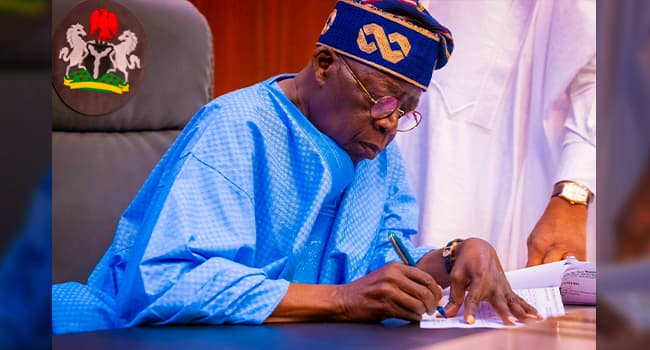
Tinubu Appoints Mandate Secretaries For FCTA

The North has reopened the debate on Nigeria’s unwritten power rotation arrangement, with political leaders, traditional rulers, and civil society organisations gathering in Kaduna to assess President Bola Ahmed Tinubu’s two years in office.

The two-day summit, organised by the Sir Ahmadu Bello Memorial Foundation at the historic Arewa House, had stakeholders from the 19 northern states and the Federal Capital Territory in attendance. The conference was themed “Assessing Electoral Promises: Fostering Government-Citizen Engagement for National Unity.”

Participants critically reviewed the performance of the Tinubu administration under the “Renewed Hope” agenda, with many voicing concerns over unmet expectations in the areas of security, youth employment, education, and infrastructure development in the North.

The event also served as a platform for renewed agitation over the zoning of the presidency, as some northern leaders insisted that the principle of equity and federal character should guide future transitions of power.

Speaking on behalf of President Tinubu, the Secretary to the Government of the Federation (SGF), Senator George Akume, called for patience, stating that the North’s turn to produce the president will come, but not in 2027.

“Based on the zoning arrangement which has been in place since 1999, it is not the North’s turn to produce the president until 2031,” Akume said.

Akume added that the administration remained committed to delivering on its campaign promises and urged northern leaders to sustain dialogue and partnership with the federal government.

Also present at the event was the National Security Adviser, Nuhu Ribadu, who appealed for continued collaboration to tackle the security challenges in the region.

In his remarks, Dr. Umar Ardo, a former presidential candidate, criticized the Tinubu administration for what he described as a slow and selective approach to governance, which he said had failed to bridge regional inequalities.

Other speakers, including youth leaders and academics, challenged the federal government to urgently address the concerns of the North, warning that the region cannot afford to be marginalised after giving significant support during the 2023 general election.

The outcome of the gathering is expected to shape the region’s political direction ahead of the 2027 polls, with growing calls for a clearer position on zoning and power-sharing agreements within the ruling All Progressives Congress (APC).

While the presidency maintains that the zoning arrangement should see the South hold power until 2031, the evolving political mood in the North suggests the region may push for renegotiation ahead of the next election cycle.

Senate Gives NNPCL Three Weeks To Address N210tn Audit Queries

The Senate has given the Nigerian National Petroleum Company Limited (NNPCL) a three-week deadline to respond to audit queries involving an unresolved N210 trillion in its financial records from 2017 to 2023.

The directive was issued by the Senate Committee on Public Accounts during a session on Tuesday, chaired by Senator Ahmed Wadada (Nasarawa West), after the committee met with NNPCL’s new Group Chief Executive Officer (GCEO), Bayo Ojulari.

Senator Wadada clarified that the amount in question is not missing or stolen but consists of unaccounted entries in the company’s audited financial statements. According to him, the sum includes N107 trillion in assets and N103 trillion in liabilities that need to be properly reconciled.

“These 19 audit queries were raised by the Office of the Auditor-General, not by the executive or the judiciary,” Wadada noted.

Ojulari, appearing before the committee for the first time since assuming office over 100 days ago, apologized for missing previous invitations and requested more time to address the issues. He promised to set up a team and engage external auditors to respond to the queries.

“Your explanations have shifted my perspective,” Ojulari told the committee. “We will work thoroughly and respond accordingly.”

While Ojulari requested four weeks, the committee gave him three weeks to return with a detailed report and defend the company’s financial position.

Several senators stressed the importance of transparency and accountability in the handling of public funds.
Senator Victor Umeh (Anambra Central) said, “NNPC holds the key to Nigeria’s economic prosperity.”
Senator Babangida Hussaini (Jigawa North West) added, “Governance is a continuum. The current management must take responsibility.”
Senator Tony Nwoye (Anambra North) emphasized the need for a fair hearing, stating, “The committee must give NNPCL the chance to clarify or contest the audit findings.”

The committee expects NNPCL’s full response in writing before the three-week deadline lapses.

Nurses Begin 7-Day Warning Strike Wednesday Over Welfare

Nurses under the National Association of Nigeria Nurses and Midwives, Federal Health Institutions sector (NANNM-FHI), have confirmed plans to commence a seven-day warning strike on Wednesday, July 31, citing unresolved welfare issues and government inaction.

The union, which issued a 15-day ultimatum to the Federal Government on July 14, said the strike would go ahead as planned, even if authorities reach out for dialogue at the last minute.

Speaking to reporters on Tuesday, the National Chairman of NANNM-FHI, Morakinyo Rilwan, accused the government of ignoring their demands and being insensitive to the plight of healthcare workers.

“As far as we are concerned, there has been no communication from the government. That is why we are saying the strike is going on, and nothing is stopping it,” he said.

Rilwan listed the demands to include an upward review of shift and uniform allowances, a separate salary structure for nurses, increased core duty allowance, mass recruitment of nurses, and the creation of a Nursing Department in the Federal Ministry of Health.

According to him, the decision to embark on the strike was driven by widespread frustration among union members, many of whom have endured decades of poor working conditions without action.

“For over 40 years, nurses have not gone on strike. Maybe the government thinks we’re not serious because of that. But they’re wrong. Our members are tired,” he said.

He also stated that members were willing to face any consequences, including the enforcement of the “no work, no pay” policy.

“The salary we’re getting is barely enough. If losing a week’s pay will bring lasting change, we’re ready to make that sacrifice,” Rilwan addedOn the possibility of escalation, the union leader said if no resolution is reached after the warning strike, the association would issue a 21-day final ultimatum in line with labour laws before launching an indefinite nationwide strike.

He also clarified reports suggesting some federal hospitals might not participate in the strike.

“Only institutions without active financial members, such as FMC Ebute Metta and LUTH, are not legally covered to join. All other federal health institutions nationwide, including those in Lagos and the FCT, are part of the strike,” Rilwan said.

The development raises concerns about service delivery in federal hospitals across the country, especially at a time when Nigeria’s public health system is grappling with resource shortages and personnel gaps.

FG Pledges End To Strikes In Tertiary Institutions

The Federal Government has reiterated its commitment to ending the cycle of industrial actions in Nigeria’s tertiary education sector, promising improved engagement with academic unions and consistent implementation of agreements.

Minister of Education, Dr. Tunji Alausa, made this known in an interview with Channels Television on Tuesday, stating that President Bola Tinubu had given a firm directive to prevent further disruptions in the academic calendar.

“The President has directed that, not again — and I’ll borrow your words — not again ever in this country will ASUU or any of our tertiary institution trade unions go on strike,” Alausa said.

He stressed the importance of building stronger relationships with unions, including ASUU, NASU, SSANU, and COEASU, while also demonstrating the government’s sincerity in fulfilling its obligations.

“There has to be a lot of relationship-building with all our unions. And beyond that, the government must show goodwill by honouring its commitments,” he said.

Alausa criticised past administrations for failing to follow through on negotiated agreements with academic unions.

“Previous governments would sit with the unions, reach agreements, and then fail to implement them. That’s not what we’re doing now. We’re engaging with them actively,” he added.

Responding to concerns over delayed salaries in some institutions, the minister clarified that the government had not suspended payments. He explained that tertiary institutions, now operating under the Government Integrated Financial Management Information System (GIFMIS) after exiting the restrictive IPPIS platform, are experiencing some delays due to the salary payment structure.

“We’re paying salaries regularly. The only issue is timing. Government begins salary disbursement from the 25th of each month, with IPPIS users as the first priority. Those on GIFMIS sometimes receive payment around the 8th or 9th of the following month,” Alausa explained.

He assured that the government is working to streamline payment processes and avoid delays, in a broader effort to maintain stability and improve the quality of education in Nigeria’s tertiary institutions.

Lagos Red Cross Flags Off Youth Camp To Tackle Drug Abuse, Cybercrime

The Lagos State branch of the Nigerian Red Cross Society has launched its 2025 Youths and Leadership Camp, a week-long programme aimed at steering Nigerian youths away from social vices such as drug abuse and cybercrime.

This year’s edition, which also marks the 60th anniversary of the camp, opened Tuesday in Lagos with over 450 participants and about 50 Red Cross officers in attendance.

Speaking at the opening ceremony, Chairman of the Lagos Red Cross, Adebola Kolawole, said the initiative has empowered generations of young Nigerians through leadership training and mentorship.

“We are happy to be celebrating six decades of training and empowering youths — teaching them values that many have lost. It’s not just camping; it involves mentoring and equipping young people to be useful to themselves and the nation,” she said.

Kolawole added that the camp provides structured leadership training, culminating in certificate awards and long-term mentorship for participants.

Branch Secretary Olakunle Lasisi noted the Red Cross’s long-standing efforts in combating youth substance abuse and deviant behavior.

“We attract young people through social activities and use the opportunity to educate them about the dangers of drug abuse and cybercrime,” he said. “Anyone who participates in this camp has a chance at a better future.”

During the event, the Permanent Secretary of the Lagos State Emergency Management Agency (LASEMA), Dr. Femi Oke-Osanyintolu, was decorated as a Red Cross Humanitarian Ambassador in recognition of his contributions to emergency response in the state.

In his remarks, Oke-Osanyintolu dedicated the honour to Governor Babajide Sanwo-Olu, commending the state government’s investment in emergency preparedness. He also announced that Lagos will soon become the first state in Nigeria to establish an Institute of Disaster Management.

“In October, Lagos will host all 36 state emergency agencies and NEMA to commemorate the International Day for Disaster Risk Reduction,” he added.

FX Liquidity Boost Restores Naira Payments For Foreign Tuition And Medical Bills

Nigerian banks have resumed processing foreign school fees and medical bills using naira debit cards, following renewed foreign exchange (FX) liquidity in the official market. The development comes as commercial banks reintroduce the Central Bank of Nigeria’s “Form A” portal for education and medical payments, significantly reducing processing time from as long as 120 days to as little as four days.

GTBank and Ecobank are among the lenders that have notified customers of the resumed service. According to the banks, customers can now access Form A for undergraduate and postgraduate tuition payments via the CBN’s Trade System Portal (www.tradesystem.gov.ng). Required documents include admission letters, invoices, international passports, tax clearance, debit instructions, and the completed form.

Lotus Bank also confirmed the process was never officially suspended but was affected by FX shortages. With liquidity returning, banks say processing times have now improved.

Under the new timeline, once a customer applies through the portal and submits necessary documentation, bank treasury desks source dollars within two working days. Funds are then debited and remitted by the next trading day, completing the process within four days.

The revival of FX-backed naira payments comes weeks after banks lifted restrictions on international transactions using naira debit cards. The move is expected to ease pressure on the black market and support the Central Bank’s goal of stabilizing the naira.

Sabotage Threatens $1bn Telecom Investment Despite Tinubu’s Security Assurances

Security Agencies Made Request For Shutdown Of Telecoms In Zamfara - Pantami

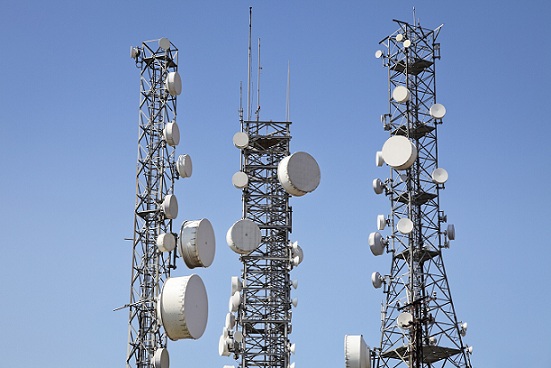
Nigeria’s telecommunications sector is facing growing threats from sabotage and vandalism, putting at risk over $1 billion in recent investments, despite President Bola Tinubu’s repeated assurances to protect national infrastructure. According to the Association of Licensed Telecommunications Operators of Nigeria (ALTON), telecom facilities across key states including Lagos, Ogun, Rivers, Kogi, Imo, and the Federal Capital Territory have come under increasing attack.

The sabotage ranges from theft of generators, batteries, and solar panels, to destruction of fibre-optic cables and base transceiver stations (BTS).

Gbenga Adebayo, Chairman of ALTON, disclosed that Airtel Nigeria recorded over 7,000 fibre cuts in a single year, severely disrupting services and increasing operational costs. Similarly, MTN Nigeria reported spending over N11 billion in the past year on relocating fibre cables and rebuilding damaged infrastructure caused by construction, road works, and deliberate vandalism.

“These attacks are not isolated; they represent a pattern of disregard for critical infrastructure and a serious threat to Nigeria’s digital economy,” Adebayo said. He emphasized that telecommunications infrastructure has been designated as Critical National Information Infrastructure (CNII) by the federal government, which means it is supposed to enjoy top-level security protection under the law.

Despite this classification, enforcement remains poor. Many vandals are arrested but rarely prosecuted, and compensation for damage is rarely pursued. ALTON members say the situation is worsening and could undermine national targets for digital inclusion, broadband penetration, and fintech expansion.

The Nigerian Communications Commission (NCC) had launched an incident reporting platform to allow operators log cases of vandalism and receive government intervention, but operators say the process is often slow and ineffective.

Adebayo urged the federal government to take urgent action, including deploying dedicated security forces to protect telecom assets and establishing mobile courts to ensure speedy prosecution of offenders.

He also called on state governments, local communities, and the judiciary to treat vandalism of telecom assets as a national economic crime. “When telecom services fail, it’s not just calls or data that stop. Financial services, emergency response systems, education platforms, and government services are all impacted,” he warned.

The telecom industry, which has attracted over $76 billion in cumulative investment, remains one of the most critical sectors of Nigeria’s economy, contributing about 16 percent to GDP. Operators fear that without prompt intervention, continued sabotage could stall the country’s progress in digital transformation, job creation, and infrastructure development.

BizWatchNigeria.Ng
Privacy Overview

This website uses cookies so that we can provide you with the best user experience possible. Cookie information is stored in your browser and performs functions such as recognising you when you return to our website and helping our team to understand which sections of the website you find most interesting and useful.