






By Boluwatife Oshadiya | April 10, 2026
Key Points
- Brent crude rises to $97.03 as supply concerns intensify
- Strait of Hormuz disruptions stall vessel movement
- Israel-Lebanon conflict escalates despite ceasefire
Main Story
Global oil prices climbed on Thursday as shipping disruptions in the Strait of Hormuz and renewed geopolitical tensions in the Middle East raised concerns over supply stability.
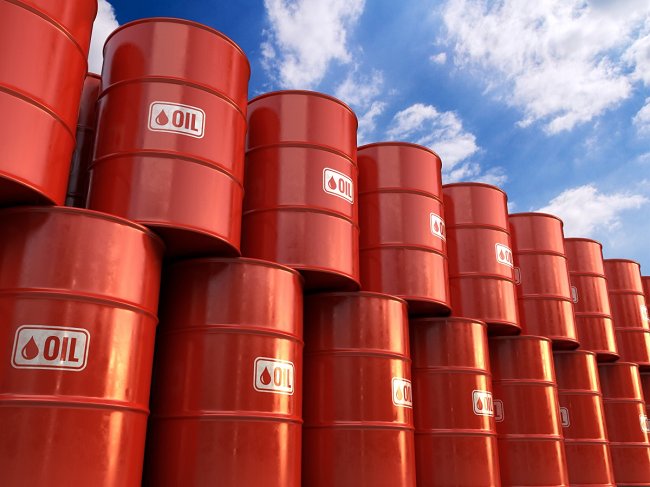
Brent crude rose to $97.03 per barrel, up 2.4% from the previous session, while U.S. benchmark West Texas Intermediate (WTI) increased 3.3% to $97.48.
Market sentiment was driven by reports of stalled vessel movement in the Strait of Hormuz, a critical oil transit chokepoint responsible for roughly a fifth of global crude flows. Despite a temporary ceasefire agreement involving the United States and Iran, uncertainties persist over its durability.
Iranian authorities confirmed that vessels must coordinate passage with military forces due to heightened security risks, including potential anti-ship mines. Reports from state-linked media indicated that a significant number of ships remained stranded in the waterway.
Meanwhile, Israeli airstrikes on Lebanon continued, with explosions reported in southern Beirut. The escalation has added to fears that regional instability could disrupt oil supply chains further.
What’s Being Said
“Geopolitical risk premium has returned to oil markets as uncertainty around supply routes intensifies,” energy analysts at a global commodities firm said.
“Even with a ceasefire in place, enforcement risks remain high, particularly in strategic corridors like Hormuz,” a Middle East policy analyst noted.
What’s Next
- Markets will track compliance with the U.S.-Iran ceasefire agreement
- Shipping activity in the Strait of Hormuz remains a critical risk indicator
- Further military escalation could push crude prices above $100
Bottom Line
The Bottom Line: Oil markets are being driven more by geopolitical risk than fundamentals, and continued instability in the Middle East could sustain upward price pressure in the near term.