




By BizWatch Nigeria Reporter
Key Points
- Federal Executive Council approves three major rail projects
- Projects include Lagos Green Line, Kano Metro, and Kaduna Light Rail
- Funding to be provided by Ministry of Finance Incorporated
- Initiative targets improved mobility and economic growth
Main Story
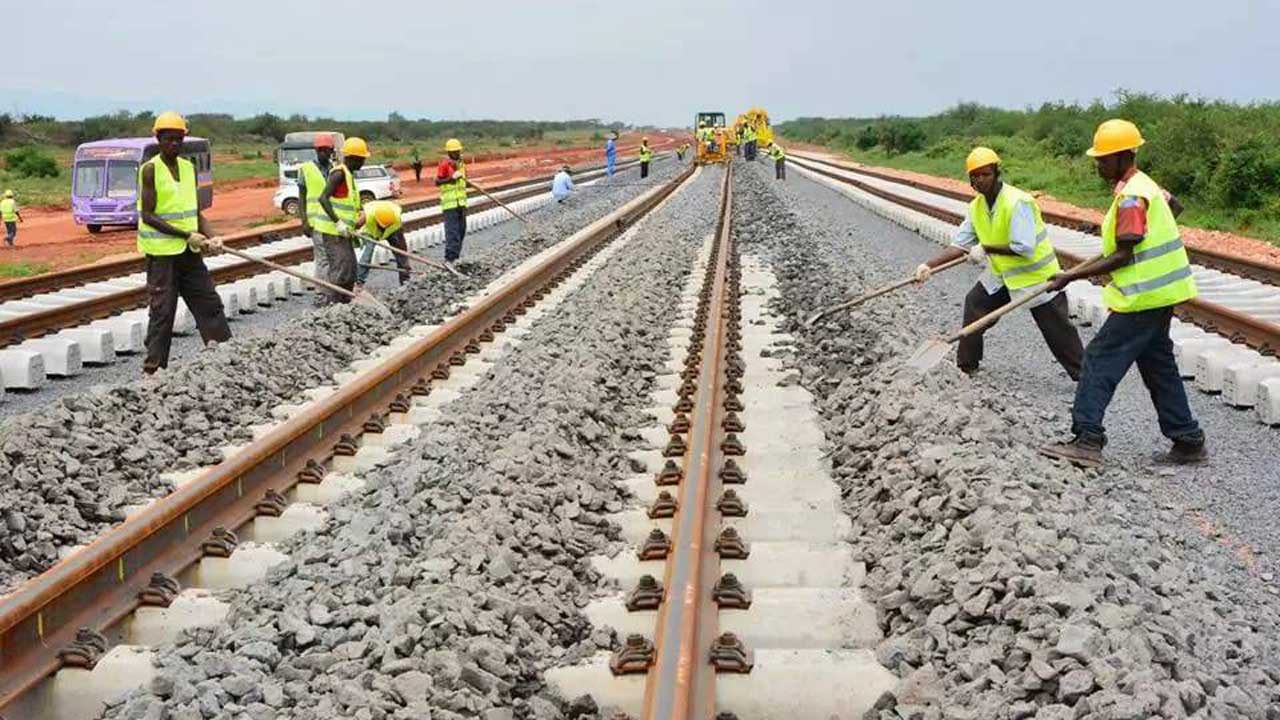
The Federal Government has approved contracts for three major rail infrastructure projects aimed at transforming urban transportation and driving economic development across key Nigerian cities.
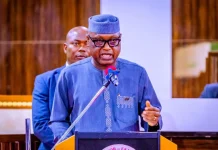
The approval was announced following a meeting of the Federal Executive Council (FEC), where the Honourable Minister of Finance, Taiwo Oyedele, confirmed that the projects will be financed through the Ministry of Finance Incorporated (MOFI) on behalf of the federal government.
The approved projects include Phase 1A of the Lagos Green Line Rail Project, the Kano Metro City Rail Project, and the Kaduna State Light Rail Project.
According to the minister, the initiative forms part of a broader strategy to modernise Nigeria’s transport infrastructure, reduce urban congestion, and improve connectivity in rapidly growing metropolitan areas.
The Lagos Green Line is expected to complement existing rail systems in the state, enhancing east-west connectivity and supporting the state’s expanding population and commercial activities. Similarly, the Kano Metro project is designed to ease movement within one of northern Nigeria’s busiest commercial hubs, while the Kaduna Light Rail is aimed at strengthening intra-city transport.
The financing structure through MOFI reflects a shift towards more centralised and strategic funding of large-scale infrastructure, with the government seeking to unlock long-term economic value through improved logistics and mobility.
What’s Being Said
Government officials say the projects will play a critical role in stimulating economic growth by improving the ease of movement for people and goods, reducing travel time, and lowering transportation costs.
Infrastructure analysts have also noted that sustained investment in rail systems is essential for Nigeria’s urban development, particularly as cities continue to experience rapid population growth.
What’s Next
Project implementation timelines, contractors, and cost breakdowns are expected to be disclosed in subsequent announcements. Construction is anticipated to begin in phases, with the government expected to prioritise sections with the highest traffic demand and economic impact.