





By Boluwatife Oshadiya | May 11, 2026
Key Points
- Brent crude rose above $105 per barrel amid renewed geopolitical tensions.
- US-Iran negotiations over the Strait of Hormuz showed little progress.
- Concerns over possible disruptions to global oil supply pushed prices higher.
- Market fears intensified following comments from US President Donald Trump and Israeli Prime Minister Benjamin Netanyahu.
Main Story
Global oil prices surged on Monday after renewed tensions between the United States and Iran weakened hopes of a diplomatic breakthrough over the Strait of Hormuz, raising fears of possible disruptions to global crude supply.
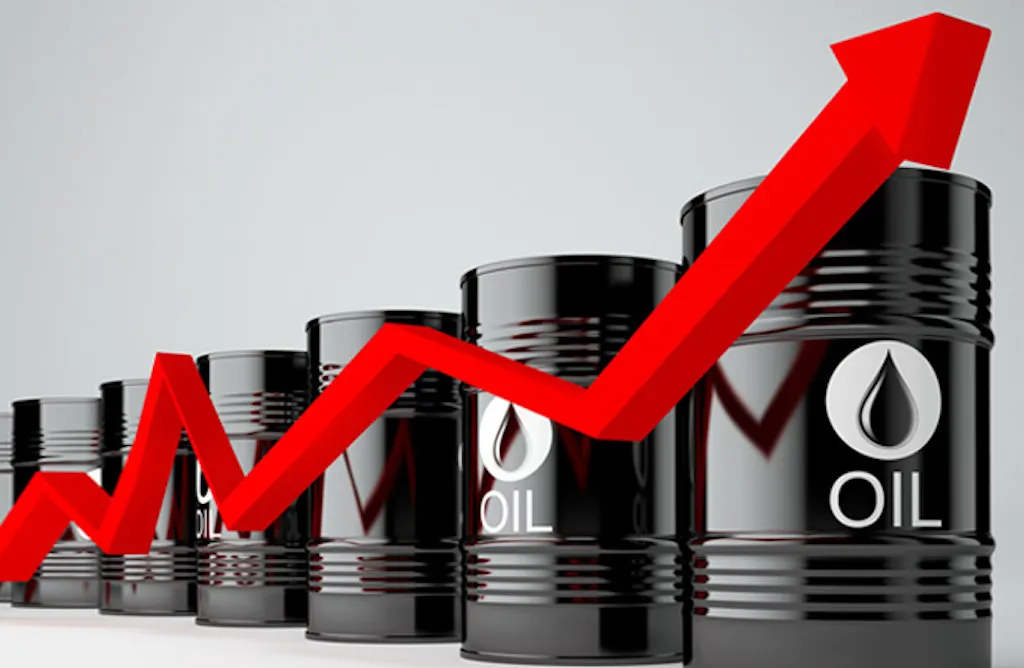
International benchmark Brent crude climbed to $105.55 per barrel as of 9:26 a.m. local time, representing a 4.2% increase from the previous session’s close of $101.29.
US benchmark West Texas Intermediate also gained sharply, rising about 4.9% to $100.06 per barrel from $95.42 recorded previously.
The rally followed a series of conflicting proposals and counterproposals between Washington and Tehran over regional security arrangements and maritime access through the Strait of Hormuz, one of the world’s most critical oil transit routes.
The Strait of Hormuz remains strategically important to global energy markets, with roughly one-fifth of the world’s petroleum liquids supply transported through the waterway daily. Any disruption along the route often triggers immediate volatility in global oil markets.
Investor concerns intensified after Israeli Prime Minister Benjamin Netanyahu, Prime Minister of Israel, stated that the conflict with Iran was “not over,” warning that Tehran still possesses enriched uranium.
“I think it accomplished a great deal. But it’s not over because there’s still nuclear material, enriched uranium, that has to be taken out of Iran,” Netanyahu said during an interview aired on CBS News.
The comments reinforced market expectations that tensions in the Middle East may persist longer than previously anticipated.
Meanwhile, Donald Trump, President of the United States rejected Iran’s latest response to a proposed US-backed peace framework.
“I have just read the response from Iran’s so-called ‘Representatives.’ I don’t like it — TOTALLY UNACCEPTABLE!” Trump wrote on his social media platform, Truth Social.
Iranian state media later reported that Tehran had submitted a counterproposal through Pakistani mediators, demanding compensation from the United States, the lifting of sanctions, and the release of frozen Iranian assets abroad.
Iran also reportedly reaffirmed its sovereignty over the Strait of Hormuz and rejected what it described as excessive demands from Washington.
Energy analysts say the latest developments have increased concerns that geopolitical risks could continue to pressure crude markets despite relatively high global inventories and slower demand growth in some major economies.
What’s Being Said
Market analysts noted that traders remain highly sensitive to developments involving the Strait of Hormuz because of its central role in global oil transportation.
Several energy market observers also warned that any escalation involving Iran could further tighten global supply conditions and place additional upward pressure on fuel prices worldwide.
Oil-producing countries within the Organization of the Petroleum Exporting Countries,OPEC oil producers groupand allied producers are also closely monitoring developments as geopolitical uncertainty continues to shape market sentiment.
What’s Next
Investors are expected to closely watch diplomatic engagements between Washington and Tehran in the coming days for signs of either escalation or renewed negotiations.
Energy traders will also monitor shipping activity around the Strait of Hormuz, alongside any potential policy responses from major oil producers and consuming nations.
Further escalation could push oil prices higher and reignite inflation concerns across several economies already dealing with elevated energy costs.
Bottom Line
Oil markets remain highly vulnerable to geopolitical tensions in the Middle East. With negotiations between the United States and Iran showing limited progress, fears of supply disruptions through the Strait of Hormuz are continuing to drive volatility and support higher crude prices.