









Key points
- Nigeria LNG Limited (NLNG) and the Nigeria Content Development and Monitoring Board (NCDMB) have unveiled plans for a state-of-the-art Research and Innovation Centre for Computer and Electrical Engineering (RICCEE) in Port Harcourt.
- The facility will occupy about 9,336 square metres within the Rivers State University (RSU) campus.
- The centre is designed to strengthen indigenous research, technological innovation and specialised engineering training.
- RICCEE will focus on practical solutions to challenges in Nigeria’s energy and industrial sectors.
- The facility will house specialised laboratories for robotics, embedded systems, electronic and signal processing, software engineering, digital forensics and cybersecurity.
- The centre will also deepen collaboration between universities and industry, with research outcomes expected to have potential for commercialisation.
- The facility will incorporate solar power and energy-efficient technologies to reduce operating costs and support environmental sustainability.
Main Story
Nigeria LNG Limited (NLNG) and the Nigeria Content Development and Monitoring Board (NCDMB) have unveiled plans to establish a state-of-the-art indigenous research and innovation centre aimed at strengthening Nigeria’s engineering and technological capacity.
The Research and Innovation Centre for Computer and Electrical Engineering (RICCEE) will be located within the Rivers State University (RSU) campus in Port Harcourt and will occupy approximately 9,336 square metres.
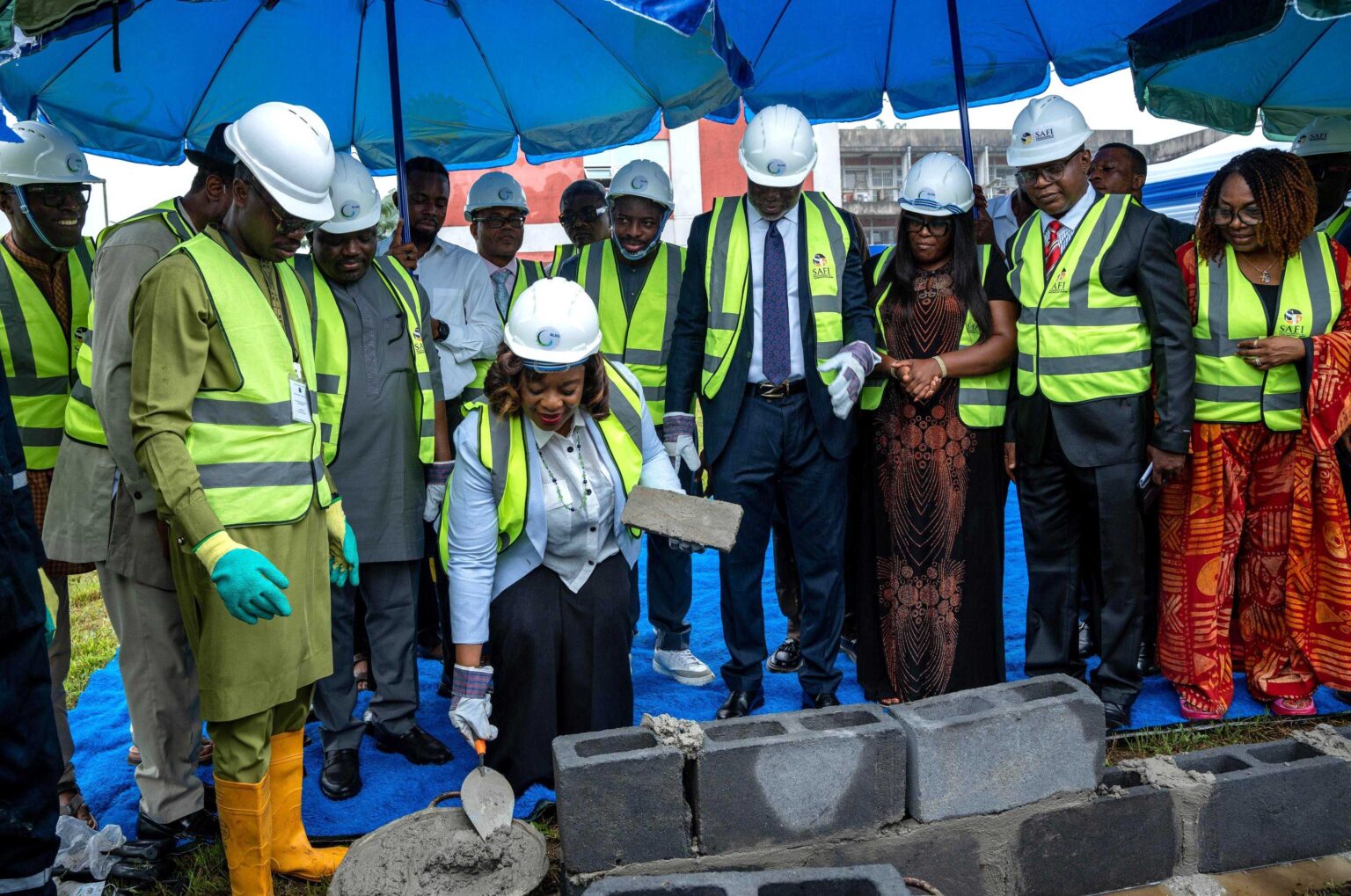
The groundbreaking ceremony for the project was held on Thursday, with stakeholders describing the centre as a strategic investment in Nigeria’s human capital, research and industrial development.
NLNG Managing Director, Adeleye Falade, represented at the event by the company’s General Manager, External Relations and Sustainable Development, Sophia Horsfall, said the project would enhance the university’s capacity to undertake advanced, industry-relevant research and develop technological solutions for the energy and industrial sectors.
According to him, RICCEE will provide specialised training while creating an environment where academics, researchers and industry professionals can work together to address practical challenges facing Nigerian industries.
He said the collaboration could produce innovations with both commercial and developmental value, potentially allowing successful research outcomes to be transformed into products, technologies and services.
The Issues
Nigeria’s engineering and technology sectors continue to face challenges linked to inadequate research infrastructure, limited industry-academia collaboration and the difficulty of converting academic research into commercially viable solutions.
RICCEE is intended to address some of these gaps by providing researchers and students with specialised laboratories and facilities capable of supporting practical experimentation and innovation.
However, the long-term impact of the project will depend on sustained funding, effective equipment maintenance, access to modern research tools and strong partnerships with industry.
There will also be a need to ensure that research conducted at the centre addresses actual industrial challenges rather than remaining largely within academic settings.
What’s Being Said
NLNG Managing Director, Adeleye Falade, described the project as a strategic investment in Nigeria’s technological future.
“The centre is designed to enhance the university’s capacity for advanced, industry-relevant research, specialised training and technological solutions for Nigeria’s energy and industrial sectors.”
He said RICCEE would also operate as a research and development hub focused particularly on challenges affecting the energy industry.
“The RICCEE will also host a professional chair and operate as a research and development centre focused on industry-related challenges, particularly those affecting the energy sector.”
NCDMB Executive Secretary, Felix Ogbe, represented by the Director of Capacity Building, Abayomi Bamidele, described the initiative as a milestone in the board’s human capital development objectives.
“We expect the centre to inspire students to innovate, enable researchers to solve real-world challenges and provide industry with reliable research and development partners.”
The Vice Chancellor of Rivers State University, Prof. Zeb-Obipi, said the project aligned with the university’s 2026–2030 strategic development plan, particularly its emphasis on research, innovation, entrepreneurship and collaboration.
“We envisage the centre as world-class hub where researchers and students can develop practical solutions to engineering and technological challenges.”
What the Centre Will Offer
RICCEE is expected to provide specialised infrastructure for research, teaching and technological development.
The planned facility will include laboratories dedicated to:
- Electronic and signal processing
- Robotics and embedded systems
- Software engineering
- Digital forensics
- Cybersecurity
The centre will also contain offices, storage areas and technical facilities required for equipment management, research and academic activities.
Beyond laboratory work, the facility is expected to function as a bridge between academic research and industry by allowing researchers to work directly on practical engineering problems.
This could be particularly significant for Nigeria’s energy sector, where technological innovation and locally developed engineering solutions remain important to improving efficiency and reducing dependence on imported expertise and technology.
Industry-Academia Collaboration
A major objective of the project is to strengthen the relationship between Nigerian universities and industry.
NLNG said the centre would allow researchers to engage directly with industry professionals and focus research activities on challenges affecting real-world operations.
The model could help move university research beyond academic publications towards commercialisation, intellectual property development and practical industrial applications.
For NCDMB, the project also forms part of its institutional strengthening and human capital development efforts aimed at building partnerships with higher institutions.
The board said such partnerships should strengthen teaching, research, innovation and practical skills development.
Sustainability Built Into the Project
The proposed facility will incorporate environmentally sustainable features.
According to the News Agency of Nigeria, RICCEE will be powered by solar energy and equipped with energy-efficient lighting and other sustainability measures.
The approach is expected to reduce the facility’s dependence on conventional electricity sources while lowering long-term operating costs.
For a research centre expected to rely heavily on computers, specialised laboratory equipment and other energy-intensive systems, a reliable and cost-efficient power supply will be critical to its effectiveness.
What’s Next
Construction of the RICCEE facility will be followed by the installation and commissioning of specialised laboratory equipment and the development of research programmes.
The university is expected to integrate the centre into its academic and research activities while developing partnerships with industry and other institutions.
NLNG and NCDMB are also expected to continue supporting the centre as part of their broader investments in human capital development, indigenous capacity and Nigerian content.
The success of the project will ultimately be measured by its ability to produce engineers, researchers and technological solutions capable of addressing Nigeria’s industrial challenges.
Bottom Line
The RICCEE project represents more than the construction of another university facility. It is an attempt to create a direct pipeline between Nigerian education, engineering research and industrial innovation.
With specialised laboratories covering robotics, embedded systems, software engineering, signal processing and cybersecurity, the centre could help develop the technical talent and locally relevant solutions required by Nigeria’s increasingly technology-driven economy.
Its real value, however, will depend on what happens inside the facility — the quality of research produced, the engineers trained, the partnerships established and, most importantly, how successfully Nigerian innovations move from the laboratory into the marketplace and industry.




 and the Nigeria Content Development and Monitoring Board (NCDMB) have unveiled plans to establish ...)