Brent and WTI pull back after a six-session rally as Trump-Iran talks stall over the world’s most important oil chokepoint, leaving Nigeria’s fuel import bill exposed to further shocks
What’s happening
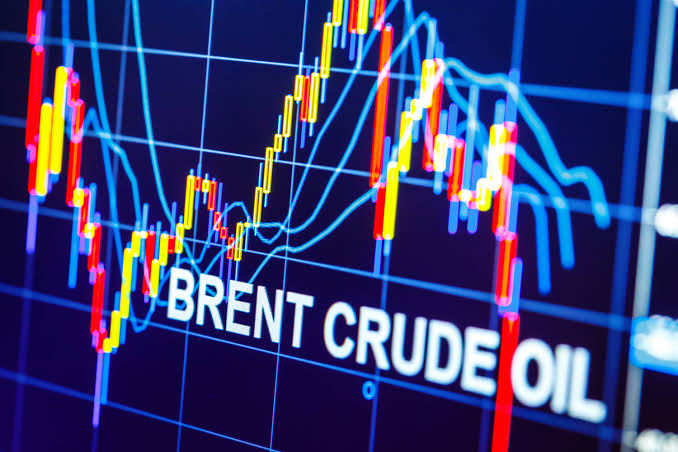
Global crude benchmarks eased on Thursday after a sharp run-up, with Brent crude trading near $88 a barrel and West Texas Intermediate below $83, both down more than 1 percent on the day. The pullback follows a six-session rally in which Brent had climbed roughly 12 percent, driven by escalating rhetoric between Washington and Tehran over the Strait of Hormuz, the narrow waterway through which about a fifth of global oil supply moves daily.
President Donald Trump said on Wednesday that the United States had “total control” of the strait, declaring “We own it” and warning that any Iranian move against shipping would be met with force. Talks between the two sides remain deadlocked, with both parties hardening their positions. The standoff follows deadly attacks on vessels in the Red Sea and Gulf of Oman that have already heightened concern over shipping risk along the route.
The International Energy Agency’s latest monthly report flagged a global supply shortfall of 1.8 million barrels a day this quarter as the Middle East conflict persists, even as US crude inventories posted their largest weekly build since early 2023, adding a note of uncertainty to the demand outlook.
Why it matters for Nigeria
Nigeria sits on both sides of this shock. As a major crude exporter, higher benchmark prices widen the country’s fiscal headroom: with the 2026 budget built on a benchmark of $64.85 a barrel, every dollar above that level adds to potential revenue, and Nigeria has been earning an estimated $22 per barrel in excess of the budget assumption at current prices.
But that upside is offset, and arguably outweighed, on the downstream side. Nigeria imports the bulk of its refined petroleum needs despite being a crude producer, and depot-level petrol prices have already been climbing as global freight and crude costs rise. Depot operators raised rates by between N20 and N50 a litre in the past week alone, with most majors now selling petrol in the N1,200–N1,260 per litre range in Lagos, and some independent marketers quoting above N1,500.
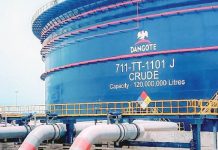
The Dangote Refinery’s move to dollar-denominated pricing in July, prompted by a mismatch between naira-denominated crude receipts and dollar-denominated costs, has removed one of the buffers Nigerians had counted on to insulate them from exactly this kind of import-cost volatility.
By the numbers
– Brent crude: ~$88/bbl, down 1.2 percent on the day, up over 31 percent year-on-year
– WTI crude: ~$82/bbl, down 1.4 percent on the day, up over 28 percent year-on-year
– Global supply shortfall: 1.8 million barrels a day this quarter, per the IEA
– Nigeria’s 2026 budget benchmark: $64.85/bbl at 1.84 million bpd production
– Excess revenue to Nigeria at current prices: ~$22/barrel above budget assumption
– OPEC output: rose 1.17 million bpd in July as Gulf producers restored shut-in capacity
– Petrol depot prices (Lagos): N1,180–N1,260/litre at major operators; independents above N1,500
What’s being said
Bloomberg reported that <cite index=”8-1″>oil held the bulk of its six-session gain as traders waited for signs of progress toward reopening the strait.</cite> Energy marketers in Lagos have warned that pump prices could rise further if crude stays elevated and logistics costs keep climbing, according to industry data cited by local outlets tracking depot movements this week.
What to expect
Three scenarios are worth watching into next week. A negotiated de-escalation over Hormuz would likely pull Brent back toward the low $80s, easing pressure on Nigeria’s import bill within days given how fast the market has been repricing headlines. A prolonged standoff without actual disruption to tanker traffic would probably keep prices rangebound in the high $80s, similar to current levels, with depot operators continuing incremental hikes. The tail risk is an actual interdiction of shipping through the strait, which historical precedent from April’s blockade episode suggests could send Brent above $100 within a single session and trigger a much sharper, faster pass-through to Nigerian pump prices than the market has priced in so far.
For BizWatch’s coverage, the numbers to track closely are NNPCL’s monthly feedstock allocation to Dangote Refinery, the naira-dollar rate given the refinery’s new dollar pricing template, and any signal from the CBN on FX support for fuel importers if the standoff drags into a second week.
The bottom line
The Strait of Hormuz remains the single biggest swing factor in global energy markets right now, and Nigeria’s exposure cuts both ways: a fiscal windfall on the crude side, a consumer cost shock on the refined products side. Until Washington and Tehran move off their current positions, expect continued volatility rather than a clear directional trend.