









Key points
- Nigeria spent only N87.4bn on petrol imports in Q1 2026, down from N2.27tn in the same period of 2025.
- The 96.15 per cent decline reflects the growing contribution of domestic refining, particularly the Dangote Refinery.
- Petrol has disappeared from Nigeria’s list of top imported commodities for the first time in years, signalling a major shift in the downstream sector.
Main story
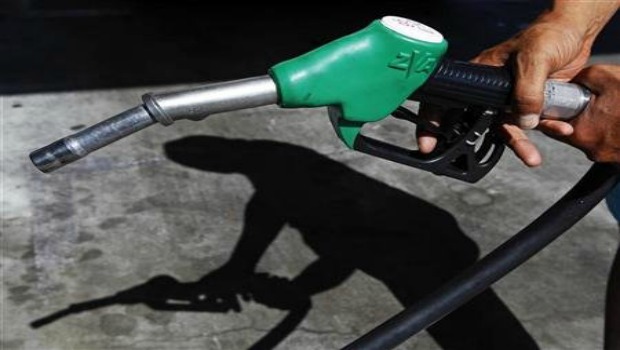
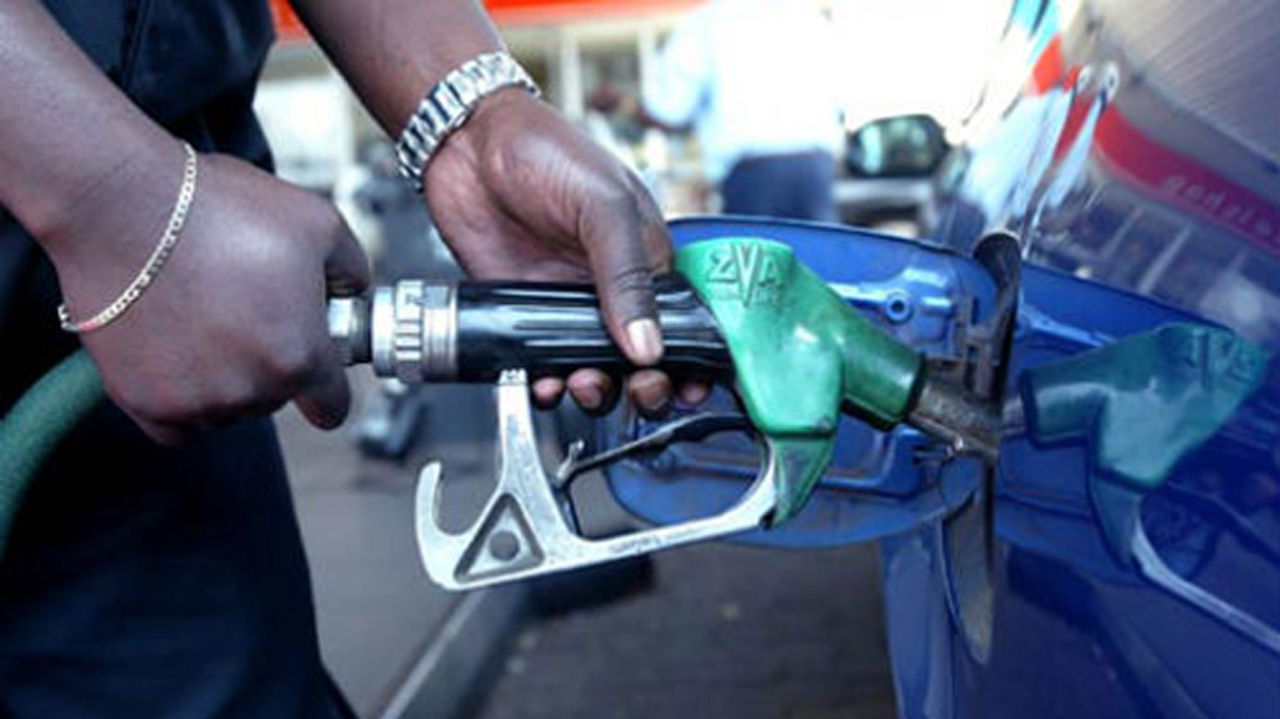
Nigeria’s expenditure on the importation of Premium Motor Spirit (PMS), popularly known as petrol, fell dramatically in the first quarter of 2026, highlighting the growing impact of domestic refining on the country’s fuel supply chain.
Latest foreign trade statistics released by the National Bureau of Statistics (NBS) showed that Nigeria spent N87.401 billion on petrol imports between January and March 2026, representing a sharp decline of N2.184 trillion or 96.15 per cent from the N2.271 trillion recorded during the corresponding period in 2025.
The development marks one of the most significant shifts in Nigeria’s downstream petroleum sector in recent years, with petrol no longer appearing among the country’s top imported commodities.
Analysis of the NBS report showed that petrol was absent from the list of the top traded products with the rest of the world, Africa, and the West African sub-region during the review period.
Instead, Nigeria’s leading imports included crude petroleum oils, gas oil, durum wheat, data transmission equipment, used vehicles, motorcycles, aircraft parts, agricultural machinery, pharmaceuticals, petroleum bitumen, and other industrial products.
The NBS report further indicated that total imports declined to N13.62 trillion in the first quarter of 2026, compared to N16.64 trillion in the corresponding period of 2025 and N17.25 trillion in the fourth quarter of 2025.
The issues
For decades, Nigeria relied heavily on imported petrol despite being Africa’s largest crude oil producer, largely due to the poor performance of state-owned refineries and inadequate domestic refining capacity.
The dependence on imported fuel exerted significant pressure on foreign exchange reserves, contributed to exchange rate volatility, and exposed the economy to external supply disruptions.
However, recent investments in domestic refining infrastructure have begun altering the country’s fuel supply dynamics, reducing import dependence and strengthening local value addition.
The latest figures suggest that local refining is increasingly meeting domestic fuel demand, thereby reducing the need for large-scale fuel imports.
What’s being said
According to the NBS, spending on other petroleum products also declined significantly during the period.
“The value of other oil products imported in Q1 2026 stood at N748.10 billion, reflecting an 85.05 per cent decrease from N5.01 trillion in Q1 2025 and an 81.38 per cent decrease from N4.02 trillion recorded in Q4 2025,” the report stated.
Industry analysts attribute the sharp decline in petrol imports largely to the increasing output of the 650,000 barrels-per-day Dangote Petroleum Refinery in Lagos.
Data from the Nigerian Midstream and Downstream Petroleum Regulatory Authority (NMDPRA) showed that the refinery supplied an average of 40.1 million litres of petrol daily in January 2026, accounting for approximately 61.8 per cent of national supply.
The refinery’s contribution increased further in February when imports dropped sharply, with locally refined fuel accounting for more than 92 per cent of domestic supply.
In April, Dangote Refinery supplied 40.7 million litres of petrol daily, while imports declined to 3.7 million litres per day, reinforcing its dominant position in the domestic market.
Experts say the trend demonstrates the growing capacity of local refining to satisfy domestic demand while reducing the country’s dependence on imported fuel.
What’s next
Stakeholders will closely monitor the sustainability of domestic fuel production as refining capacity continues to expand.
Analysts expect further reductions in fuel imports if local refineries maintain production levels and continue meeting national demand.
The development is also expected to strengthen calls for policies that support domestic refining, encourage investment in the sector, and reduce reliance on imported petroleum products.
In addition, economists believe sustained reductions in fuel imports could improve Nigeria’s trade balance, conserve foreign exchange, and reduce pressure on the naira.
Bottom line
Nigeria’s petrol import bill has fallen to its lowest level in years, dropping by more than N2 trillion in the first quarter of 2026 as domestic refining capacity expands. The decline underscores a significant transformation in the country’s downstream petroleum sector, with local production increasingly replacing imports and reshaping Nigeria’s trade and foreign exchange outlook.




, popularly known as petrol, fell dramatically ...)