





KEY POINTS
- National poverty rose from 49.8% to 63% immediately following the removal of the petrol subsidy, according to a study by Agora Policy.
- Social protection measures, such as cash transfers, helped moderate the poverty rate slightly to 56.2%, though welfare remains severely strained.
- CBN Governor Olayemi Cardoso and Deputy Governor Muhammad Abdullahi maintain that reforms were “unavoidable” due to a 98% decline in oil revenue expectations since 2012.
- External reserves have surged to a 13-year high of $50.45 billion, signaling a stark divide between macroeconomic recovery and household-level hardship.
MAIN STORY: THE HUMAN COST OF REFORM
A new study presented at the Agora Policy stakeholders’ dialogue in Abuja has quantified the immediate shock of Nigeria’s economic overhaul. Presented by Dr. Mohammed Shuaibu of the University of Abuja, the research reveals that 63% of the population fell below the poverty line after the subsidy ended in May 2023.
The policy triggered a “contractionary effect,” as rising transport and energy costs eroded the purchasing power of low-income households, while wealthier families remained largely insulated.
Focus group discussions across Nigeria’s six geopolitical zones described a “survival strategy” culture. Households reported cutting consumption, rationing electricity, and borrowing for basic needs. Business owners also highlighted a grim reality: despite the macro-gains, operating expenses have forced many small firms to downsize or close entirely.
Defending the policies, CBN Deputy Governor Muhammad Abdullahi revealed that Nigeria’s net foreign reserves had plummeted to just $800 million before the reforms began. He disclosed that crude oil earnings had crashed from $92 billion in 2012 to less than $2 billion in 2023. “The economy was at a breaking point,” Abdullahi stated, adding that the subsidy and FX distortions were costing the nation 6% of its GDP.
Today, the CBN reports that net reserves have recovered to $32 billion, and the premium between official and parallel exchange rates has narrowed to less than 2%. Furthermore, food inflation hit a 14-year low of 8.89% in January 2026, a sign that the “tightening cycle” is finally cooling price growth, even if the “trickle-down” effect to the common man remains slow.
WHAT’S BEING SAID
- “Households adjusted to the shocks not through recovery but through sacrifice,” noted Dr. Mohammed Shuaibu during his presentation.
- “Nigeria faced severe macroeconomic imbalances… the situation was simply not sustainable,” explained Muhammad Abdullahi, CBN Deputy Governor.
- Dr. Chinyere Almona (LCCI) added: “The economy is improving at the macro level, but that improvement has not trickled down to the common man.”
WHAT’S NEXT
- Recapitalization Deadline: With 30 banks already meeting new requirements, the CBN expects the remaining institutions to finalize their capital raises by mid-2026 to strengthen the financial “house.”
- Expansion of Safety Nets: The World Bank and Agora Policy are urging a faster rollout of the National Social Register to ensure cash transfers reach the 63% affected by the initial shock.
- Infrastructure Reinvestment: Private sector leaders are calling for the $7.5 billion annual subsidy savings to be transparently moved into power and transport infrastructure to lower business costs.
BOTTOM LINE
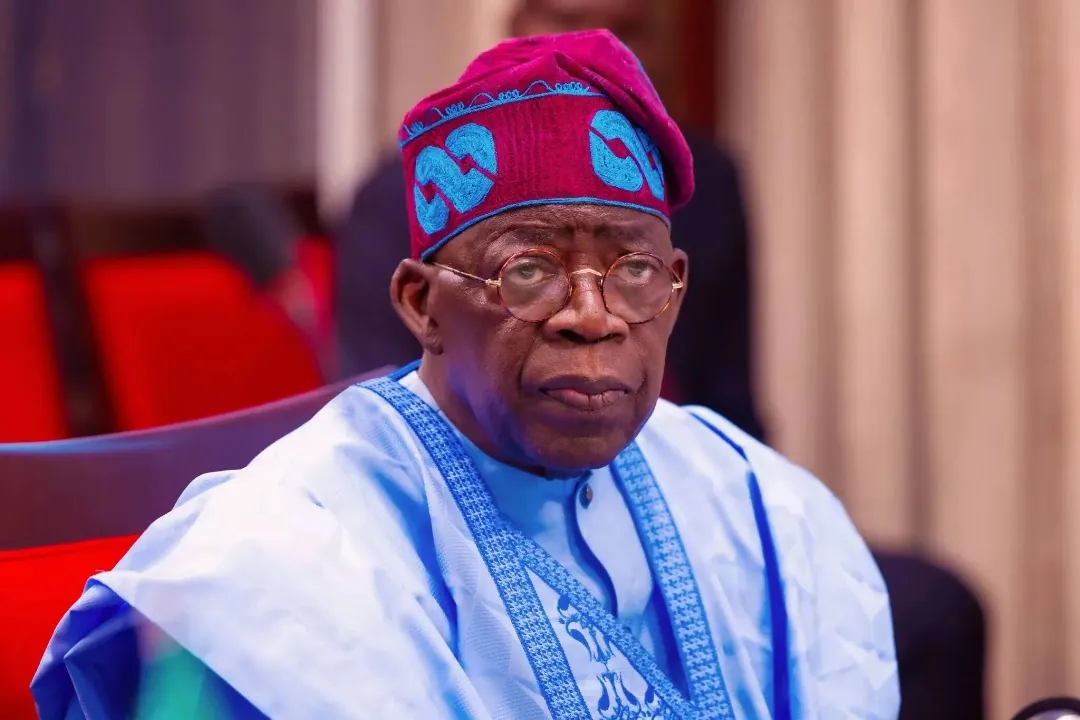
The Bottom Line is that while Nigeria’s “macro” house is standing firm with $50 billion in the vault, the “micro” reality for 63% of its citizens is one of deep sacrifice. The success of the Tinubu reforms now hinges on whether the massive recovery in reserves and the cooling of food inflation can be translated into actual relief for the millions who fell into poverty over the last two years.