






Keypoints
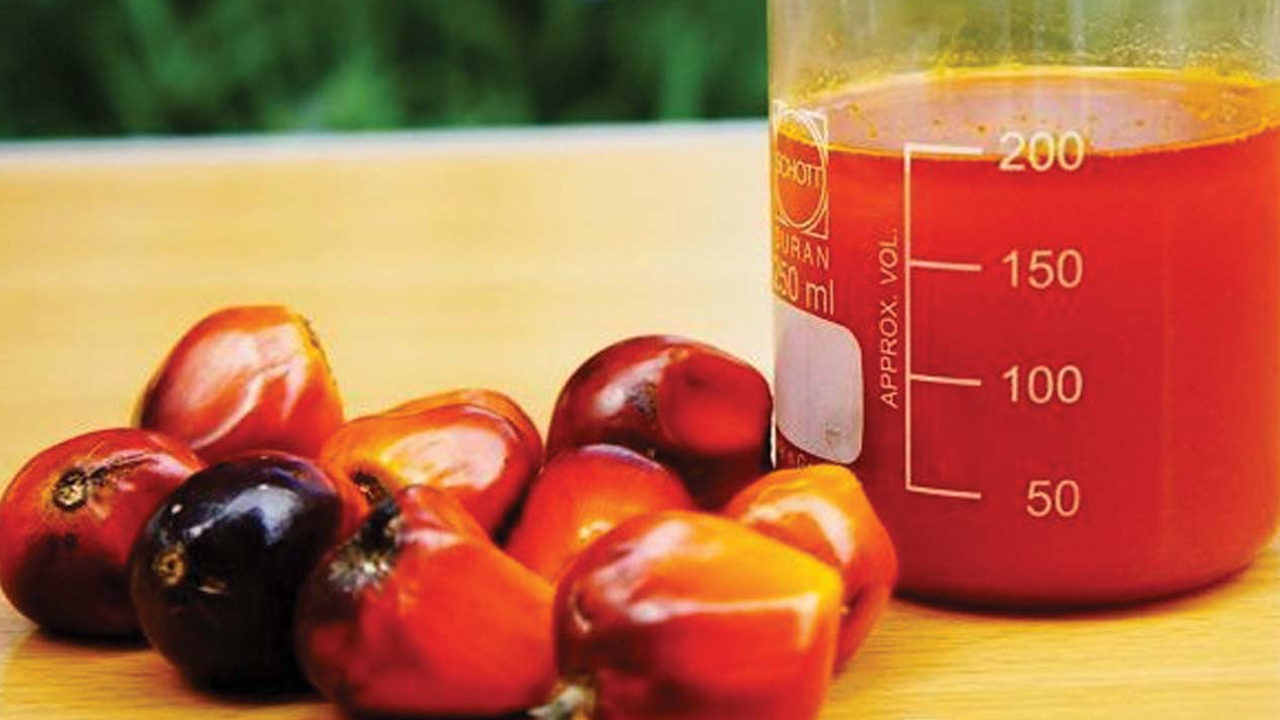
- The Federal Government has launched a Public-Private Partnership (PPP) with Mass Industrial Development and Logistics Ltd. to revive the palm oil subsector.
- Minister of Agriculture Sen. Abubakar Kyari revealed that Nigeria currently spends up to $600 million annually to import over 1 million metric tonnes of palm oil.
- The initiative aims to bridge the domestic deficit by establishing seven integrated oil palm estates of 10,000 hectares each across participating states.
- Each estate will function as a complete economic ecosystem, featuring modern milling, refining, and distribution facilities.
- The program aligns with President Bola Tinubu’s Renewed Hope Agenda, focusing on integrating smallholder farmers into structured value chains.
Main Story
Nigeria is taking a decisive step toward reclaiming its historical dominance in the global palm oil market. At a national stakeholders’ meeting in Abuja on Thursday, Agriculture Minister Sen. Abubakar Kyari represented by Mr. Ibrahim Alkali unveiled a multi-phase strategy to slash the nation’s $500 million annual import bill.
While Nigeria controlled 40% of the global supply in the 1960s, it currently produces only 1.4 million metric tonnes against a surging demand of 2.5 million metric tonnes. The Minister lamented that the country is essentially “exporting opportunities” by relying on foreign oil.
The first phase of the revival plan focuses on scale and industrialization, creating 70,000 hectares of new plantation land through state-government collaborations.
These “integrated estates” are designed to handle the entire value chain—from planting to refining—on-site. The second phase will pivot toward downstream manufacturing, producing palm-based consumer goods to boost local competitiveness and export potential.
By providing land and enabling policies, state governments are expected to drive the infrastructure needed to turn these estates into high-revenue hubs.
The Issues
The primary challenge is the yield-and-technology gap; many Nigerian oil palm trees are aging or of low-yielding varieties compared to those in Southeast Asia. Authorities must solve the problem of land-tenure bottlenecks, as securing 10,000 contiguous hectares per state requires intense community engagement and compensation frameworks.
Furthermore, there is a smallholder-integration risk; unless local farmers are properly trained and linked to the new industrial mills, they may be sidelined by the larger PPP estates. To achieve the 2026 targets, the government must ensure that the “Renewed Hope” funding reaches the nursery stage, providing high-quality hybrid seedlings that can mature quickly and resist local pests.
What’s Being Said
- “It is time to move from intention to implementation… Nigeria must take bold and deliberate steps,” stated Sen. Abubakar Kyari.
What’s Next
- Site selection and land clearing for the first seven integrated estates are expected to begin in the third quarter of 2026, following state-level approvals.
- A seedling distribution program for smallholder farmers is anticipated to launch alongside the main estates to ensure inclusive growth.
- Investment inflows into the participating states are likely to be monitored as a key performance indicator (KPI) for the success of the PPP model.
- Downstream manufacturing facilities for soap, margarine, and cosmetics are planned for construction in phase two, starting in late 2027.
Bottom Line
Nigeria is finally looking to its own soil to stop the drain of foreign exchange. By moving from “intent to implementation,” the government hopes to transform the palm oil subsector from a $600 million liability into a multi-billion dollar economic driver.