









By BizWatch Nigeria Energy Desk | April 13, 2026
Key Points
- Nigeria’s oil output declines to 1.51mbpd in February due to operational disruptions
- NNPC remits ₦1.804 trillion to Federation Account following policy reforms
- Revenue rises to ₦2.68 trillion despite drop in profit after tax
Main Story
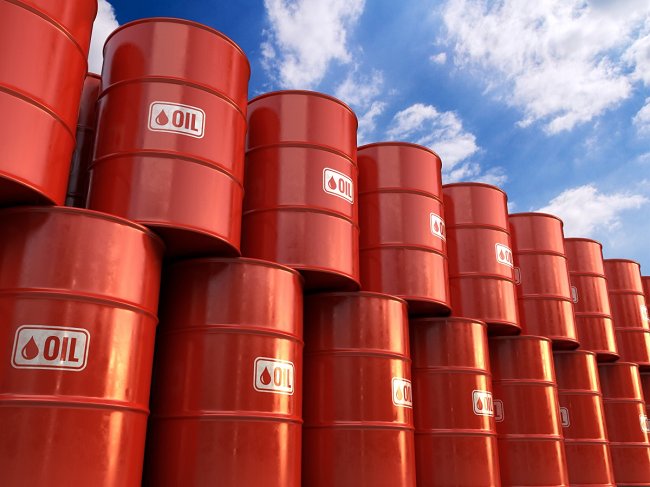
Nigeria’s crude oil and condensate production declined to an average of 1.51 million barrels per day (mbpd) in February 2026, even as the Nigerian National Petroleum Company Limited (NNPC Ltd.) significantly increased remittances to the Federation Account.
According to the company’s February Monthly Report Summary, production was impacted by multiple operational setbacks, including the Trans Forcados Pipeline outage caused by integrity issues, alongside startup challenges at the Agbami GTC 2 and 3 facilities following maintenance activities.
Additional constraints included delays at the Sterling Oguali flow station and sludge management issues at Enyie wells, collectively weighing on output during the period.
Despite these disruptions, financial performance showed mixed trends. Total revenue rose to ₦2.68 trillion from ₦2.57 trillion recorded in January, while statutory remittances surged sharply to ₦1.804 trillion from ₦726 billion in the prior month. However, profit after tax declined significantly to ₦136 billion from ₦385 billion.
The improved remittance performance follows recent policy directives by the Federal Government mandating full revenue transfers to the Federation Account and suspending certain fee deductions by NNPC Ltd.
The report also highlighted ongoing progress on the Ajaokuta-Kaduna-Kano (AKK) gas pipeline project, aimed at delivering early gas supply to Abuja and strengthening domestic gas infrastructure.
What’s Being Said
“Total revenue rose to ₦2.68 trillion in February, while statutory remittances increased significantly, reflecting improved revenue transparency and compliance,” NNPC said in its report.
“Ongoing stabilisation efforts, including improved asset reliability and evacuation processes, are expected to support production recovery,” the company added.
What’s Next
- Continued repairs and optimisation of key pipelines to restore production levels
- Implementation of the new revenue remittance framework across the oil sector
- Progress milestones on the AKK pipeline expected to shape gas supply outlook
The Bottom Line: While operational disruptions continue to constrain Nigeria’s oil output, stricter revenue reforms are already improving government inflows—highlighting a shift toward fiscal discipline even amid production challenges.








 in February 2026, even as...)