






Keypoints
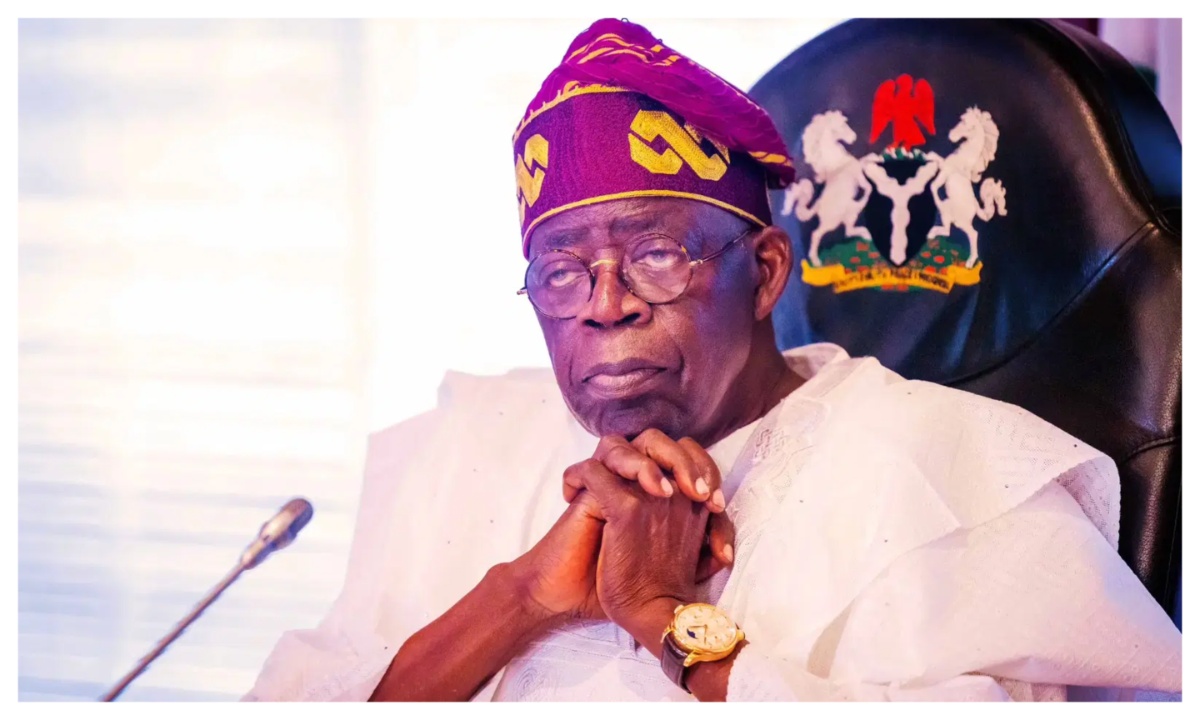
- President Bola Ahmed Tinubu has officially signed the N68.32 trillion 2026 Appropriation Bill, marking the start of the new fiscal year.
- Capital expenditure takes center stage, receiving N32.2 trillion (nearly 50% of the total budget) to focus on infrastructure and economic growth.
- The President also extended the deadline for the 2025 budget implementation from March 31 to June 30, 2026, to allow ongoing projects to be finished.
- Debt servicing has been allocated N15.8 trillion, while N15.4 trillion is set aside for the day-to-day running of the government (recurrent expenditure).
- The government’s “Renewed Hope Agenda” will prioritize national security, job creation, and social protection for all Nigerians.
Main Story
Nigeria’s financial roadmap for 2026 is now officially in motion. On Thursday, President Bola Tinubu signed the N68.32 trillion budget, a massive plan aimed at stabilizing the economy and rebuilding the nation’s infrastructure.
A standout feature of this year’s spending is the heavy tilt toward building things with over N32 trillion dedicated to the Development Fund for Capital Expenditure. This signals the government’s intent to move away from simply paying salaries and toward investing in roads, power, and bridges.
To ensure no money goes to waste, the President also signed a law that gives government agencies an extra three months to spend their 2025 funds.
This extension prevents projects from stopping halfway just because a calendar year ended. With the new budget taking effect on April 1, the President warned all government departments to be “disciplined and transparent,” making sure every naira spent provides real value for the Nigerian people.
The Issues
The primary challenge is the debt-to-revenue gap; with N15.8 trillion earmarked for debt service, a large portion of the nation’s earnings is still going toward paying off old loans rather than fresh investments.
Authorities must solve the problem of project-completion delays, which is why the 2025 extension was necessary to keep construction sites active. Furthermore, there is an inflation-management risk; pumping N68 trillion into the economy requires careful balance to ensure it doesn’t drive up the cost of bread and milk. To succeed, the administration must focus on “Revenue Generation,” making sure the money coming in matches the ambitious spending planned for the “Renewed Hope” projects.
What’s Being Said
- “The 2026 budget underscores our continued commitment to economic stability and infrastructure development,” stated President Bola Tinubu.
What’s Next
- The full implementation of the 2026 budget began on April 1, with ministries expected to release funds for new projects immediately.
- A progress report on 2025 capital projects is expected in June to see if the three-month extension successfully helped finish stalled work.
- New fiscal reforms are anticipated to be announced by the Ministry of Finance to help boost the tax-to-GDP ratio and fund this massive expenditure.
- Monthly monitoring by the National Assembly will likely increase to ensure the “value for money” directive from the President is being followed.
Bottom Line The N68.32 trillion budget is a high-stakes bet on Nigeria’s future. By putting half of the money into infrastructure and extending the life of old funds, the government is trying to build its way out of economic uncertainty. Now, the focus shifts from signing papers to seeing results on the ground.