








KEY POINTS
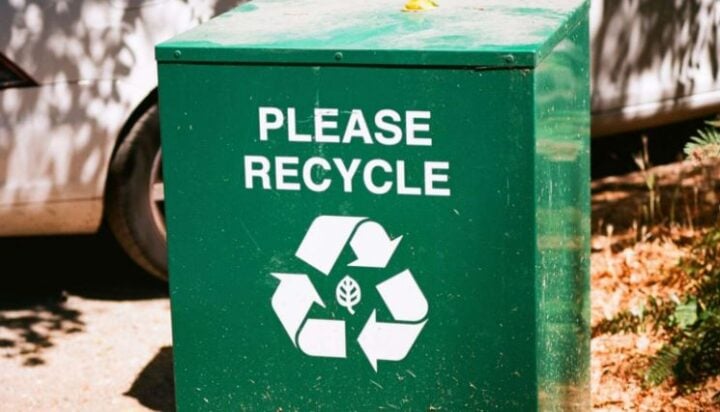
- The Jewel Environmental Initiative has called for increased investment in waste recycling to address environmental pollution and youth unemployment.
- The organisation says inadequate recycling infrastructure, especially in Northern Nigeria, is worsening plastic and nylon pollution.
- The NGO has trained residents in converting waste into reusable products, including interlock pavements and home gardening materials.
MAIN STORY
The Jewel Environmental Initiative (JEI), a non-governmental organisation, has called on government and relevant stakeholders to invest in waste recycling initiatives as part of efforts to tackle environmental pollution and create sustainable employment opportunities for youths.
The Chief Executive Officer of the organisation, Ismail Bima, made the appeal during an interview in Gombe.
Bima said the need for urgent investment in recycling infrastructure had become necessary due to the growing volume of waste generated across the country and the inability of existing systems to fully harness the economic value chain within the waste management sector.
According to him, establishing recycling facilities would help convert waste into reusable products, reduce environmental pollution, improve sanitation, and boost revenue generation for governments at various levels.
He specifically urged authorities to establish small-scale recycling plants capable of addressing the growing problem of plastic and nylon waste, particularly in Northern Nigeria where plastic pollution continues to pose serious environmental challenges.
“Waste recycling addresses critical environmental sanitation challenges by diverting waste from the streets and other sources, reducing pollution and turning potential environmental hazards into valuable resources,” Bima said.
He noted that Northern Nigeria currently has limited recycling infrastructure, adding that Gombe State has only one company involved in recycling sachet water plastics into reusable products.
“Establishing small-scale recycling plants will reduce environmental hazards, generate revenue for government, and curb unemployment. For women, it will also reduce their level of dependency on their male counterparts,” he added.
The environmental advocate, however, identified the high cost of transportation as a major challenge affecting waste collection and recycling activities.
According to him, the rising cost of transporting recyclable materials to processing centres in other parts of the country has discouraged many young people involved in waste collection and recycling businesses.
He explained that the situation has contributed to increasing volumes of plastic waste clogging drainage systems and littering public spaces.
Bima further disclosed that the organisation had trained 30 individuals in 2025 on how to convert sachet water plastics into interlock paving materials.
He added that women had also been trained on how to use garden waste for home gardening as well as techniques for recycling wastewater for domestic gardening activities.
The JEI chief stated that the organisation is currently collaborating with Gombe State University to train students on waste-to-wealth initiatives and entrepreneurial skills development before graduation.
THE ISSUES
Nigeria continues to grapple with growing waste management challenges driven by rapid urbanisation, population growth, poor sanitation systems, and inadequate recycling infrastructure.
Plastic and nylon pollution have become major environmental concerns in many urban centres, with clogged drainage channels contributing to flooding, health risks, and environmental degradation.
Experts say the country’s limited recycling capacity and weak waste collection systems have prevented effective utilisation of recyclable materials that could otherwise create jobs and generate economic value.
The high cost of transportation and limited investment in local recycling plants also remain significant barriers to developing a sustainable waste management industry, particularly in Northern Nigeria.
WHAT’S BEING SAID
Environmental advocates say waste recycling presents an opportunity to address both environmental and socio-economic challenges simultaneously.
Stakeholders believe increased investment in recycling infrastructure could help reduce pollution, improve sanitation, support climate action, and create employment opportunities for young people and women.
Experts have also stressed the need for stronger government policies, public awareness campaigns, and private sector participation to strengthen Nigeria’s waste management system.
WHAT’S NEXT
Stakeholders are expected to intensify calls for government support and private investment in recycling facilities across the country.
Environmental groups and educational institutions may also expand training programmes focused on waste-to-wealth initiatives and green entrepreneurship.
Authorities are likely to explore additional strategies for improving waste collection, reducing plastic pollution, and promoting sustainable environmental practices nationwide.
BOTTOM LINE
The call by The Jewel Environmental Initiative highlights the growing need for investment in Nigeria’s waste recycling sector. Stakeholders say improved recycling infrastructure could help tackle environmental pollution, generate revenue, and provide sustainable employment opportunities for youths and women across the country.





, a non-governmental organisation, has called on government and relevant stakeholders to invest ...)