Key points
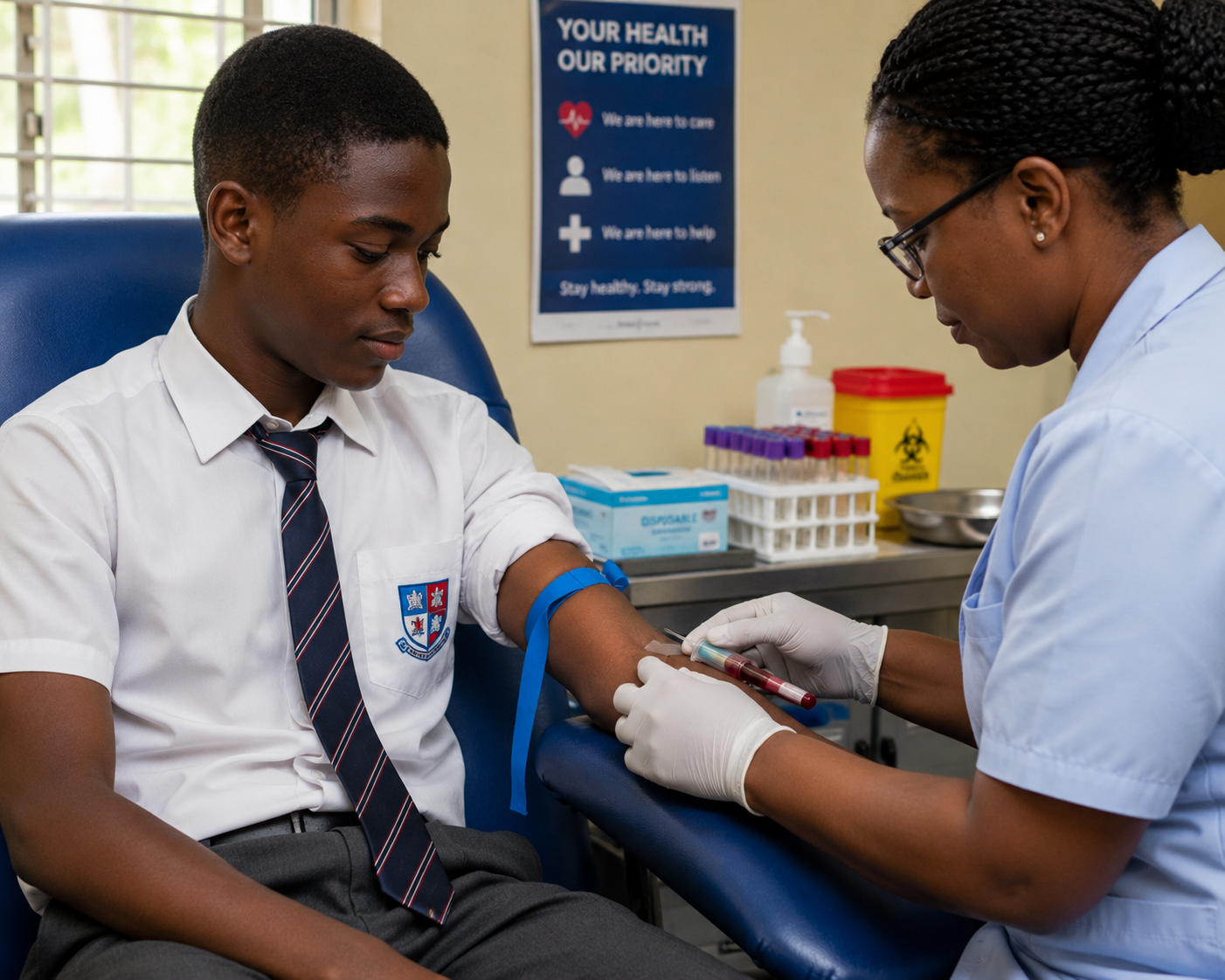
- Schools will be required to conduct periodic and unannounced drug screenings for both new and returning students at least once every academic session.
- Students who repeatedly test positive will undergo a three-stage intervention process involving counselling, professional treatment, rehabilitation, and possible temporary suspension.
- The policy mandates pre-test and post-test counselling, while schools are also expected to establish disciplinary committees to oversee compliance and enforcement.
Main story
The Federal Government has unveiled far-reaching measures aimed at curbing drug and substance abuse in secondary schools, introducing compulsory drug testing for students alongside temporary suspension for individuals who repeatedly test positive despite undergoing treatment and rehabilitation programmes.
Under the revised policy framework, all newly admitted secondary school students will be subjected to mandatory drug integrity screening as part of the admission process.
The measures are encapsulated in the National Implementation Guidelines Against Drug and Substance Use in Schools in Nigeria for secondary schools, details of which were obtained by our correspondent.
The guideline delineates a comprehensive framework designed to mitigate the escalating prevalence of substance abuse among students while fostering safer and more conducive learning environments across schools nationwide.
The guideline further stipulates that all new students/learners shall be subjected to drug tests and other measures approved by the schools/learning centres at the point of entry, adding that the exercise must be conducted in collaboration with approved federal/state health facilities and procedures.
Beyond admission-level screening, schools are expected to administer periodic as well as unannounced drug tests for both newly admitted and returning students at least once every academic session.
The policy expressly prohibits students from using or possessing narcotic drugs, controlled substances, or other illicit substances without authorisation from school authorities.
However, it clarifies that students who require controlled medication for underlying medical conditions must duly declare such medications through their parents or guardians during the admission process.
The framework establishes a three-tiered testing and intervention mechanism for students who test positive.
Students who fail the initial test will undergo counselling and preliminary treatment as determined by school authorities.
Those who subsequently test positive a second time will be referred to qualified professionals for more extensive treatment and specialised care.
For students who continue to test positive after a third round of screening and intervention, the policy provides that they may be temporarily suspended from the school environment.
The policy also introduces compulsory pre-test and post-test counselling procedures for students undergoing screening. The document additionally directs that violent incidents associated with substance abuse, including fighting or inflicting injuries, shall be reported to the law enforcement agents.
It also cautions that students who aren’t compliant with prescribed treatment or rehabilitation procedures will be temporarily removed from the school environment until he/she is deemed stable.
The development comes amid mounting concerns over the rising incidence of drug and substance abuse among adolescents in Nigeria, with stakeholders in the education and health sectors warning about its far-reaching implications for academic performance, discipline, mental well-being, and security within schools.
While proponents argue that the measures could significantly curtail substance abuse among students, critics are expected to raise concerns regarding implementation capacity, student welfare safeguards, and the preparedness of schools and health institutions to effectively operationalise the policy nationwide.
What’s being said
Excerpts from the document include:
- “the aim is to identify students who may need help and to promote a safe and healthy school environment.”
- “post-test counselling happens after results are available, regardless of whether the test is positive or negative. The goal is to support the individual to accept the result and link them to the right help.”
- “if found to be positive again, such a student shall be temporarily suspended from the school environment to take treatment from a professional and undergo rehabilitation that might be found appropriate by the professional.”
Bottom Line
The development comes amid mounting concerns over the rising incidence of drug and substance abuse among adolescents in Nigeria, with stakeholders in the education and health sectors warning about its far-reaching implications for academic performance, discipline, mental well-being, and security within schools.