









Key points
- The National Agricultural Development Fund (NADF) has commenced the distribution of 80,640 bags of free fertiliser to 20,160 smallholder farmers across the South-West.
- The intervention is aimed at reducing production costs, increasing crop yields and strengthening national food security.
- Beneficiaries will receive locally produced, traceable fertilisers under the Renewed Hope Farm Input Support Programme (FISP).
Main story
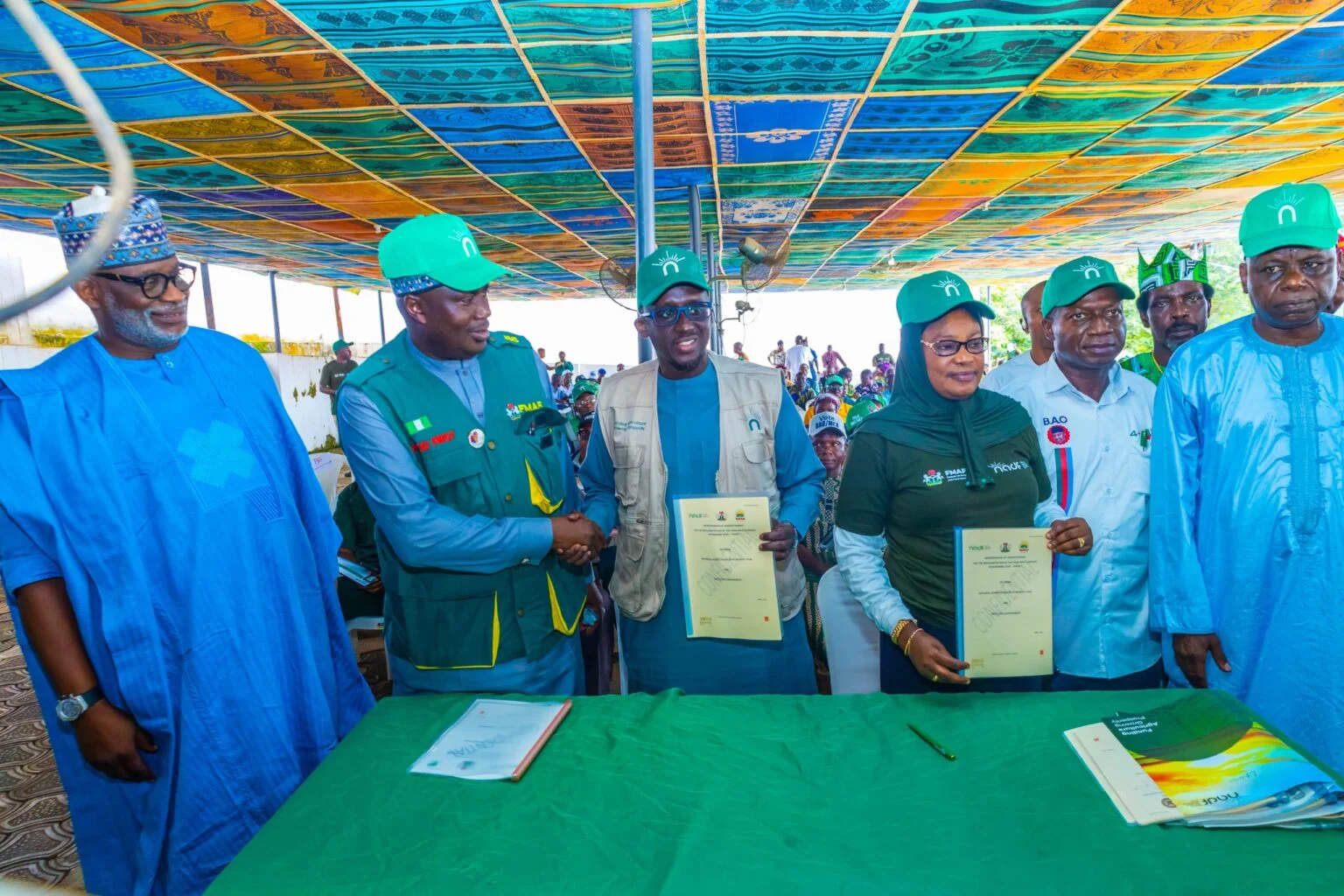
The National Agricultural Development Fund (NADF) has begun the distribution of 80,640 bags of free fertiliser to 20,160 smallholder farmers across the South-West geopolitical zone as part of efforts to boost food production and support farmers during the 2026 wet farming season.
The initiative is being implemented under the Renewed Hope Farm Input Support Programme (FISP), a flagship intervention designed to enhance agricultural productivity, lower production costs and strengthen food security nationwide.
In a statement issued on Friday, the Executive Secretary of NADF, Mohammed Ibrahim, said the programme aligns with President Bola Tinubu’s Renewed Hope Agenda and is targeted at ensuring that agricultural inputs reach genuine farmers at the right time.
According to Ibrahim, the fertiliser distribution is tailored to support priority crops based on the comparative agricultural strengths of participating states, thereby improving food production and market stability.
He explained that all fertilisers being distributed under the programme are locally produced, fully traceable and clearly branded “Not For Sale” to prevent diversion and ensure transparency.
“FISP is designed to get fertiliser to the right farmers, for the right crops, at the right time. The initiative aligns with President Tinubu’s commitment to food security, agricultural transformation and inclusive economic growth,” Ibrahim stated.
The NADF boss added that every bag of fertiliser has been linked to verified beneficiaries through a monitoring mechanism aimed at promoting accountability and preventing abuse of the intervention.
Also speaking on the programme, the Minister of State for Agriculture and Food Security, Senator Aliyu Abdullahi, described the initiative as part of the Federal Government’s broader strategy to reduce farming costs, increase agricultural output and achieve sustainable food security.
Similarly, the President of the All Farmers Association of Nigeria (AFAN), Alhaji Muhammad Magaji, said the intervention would significantly improve productivity by reducing input costs for farmers and increasing crop yields.
Magaji noted that the South-West rollout of the programme demonstrates the government’s commitment to expanding food production, stabilising food prices and building a resilient agricultural sector capable of supporting economic growth.
Ekiti State Governor, Biodun Oyebanji, represented by the Secretary to the State Government, Prof. Habibat Adubiaro, commended the Federal Government, the Ministry of Agriculture and Food Security and NADF for implementing practical initiatives that directly benefit farmers and strengthen collaboration between the federal and state governments.
The issues
Nigeria continues to face food inflation, rising production costs and challenges associated with low agricultural productivity. Access to affordable farm inputs remains a major concern for smallholder farmers who account for a significant portion of the country’s food production.
The fertiliser support programme is expected to ease some of these challenges by helping farmers reduce costs and improve yields during the current farming season.
What’s being said
NADF says the programme is designed to ensure fertiliser reaches genuine farmers while promoting transparency through beneficiary verification and product traceability.
Stakeholders in the agriculture sector have welcomed the intervention, describing it as a timely initiative that will help improve food production and strengthen national food security.
The Federal Government maintains that targeted agricultural support programmes remain critical to achieving its food security objectives and reducing dependence on food imports.
What’s next
The fertiliser distribution exercise is expected to continue across participating South-West states throughout the 2026 wet season.
Agricultural authorities will monitor implementation to ensure fertilisers reach intended beneficiaries and contribute to improved crop production.
The success of the programme could influence future agricultural interventions under the government’s broader food security and economic development agenda.
Bottom line
The distribution of 80,640 bags of free fertiliser to more than 20,000 farmers represents a significant investment in agricultural productivity and food security. If effectively implemented, the initiative could help lower production costs, increase yields and support the Federal Government’s efforts to build a more resilient and food-secure economy.




 has begun the distribution of 80,640 bags of free fertiliser to 20,160 smallholder ...)