KEY POINTS
• Lagos State Government has advised residents in flood prone communities to move temporarily to higher ground.
• The directive follows a seven day flood alert from the Nigerian Hydrological Services Agency covering Lagos and 14 other states.
• Residents along major waterways and in low lying, coastal and waterfront communities have been placed on heightened alert.
MAIN STORY
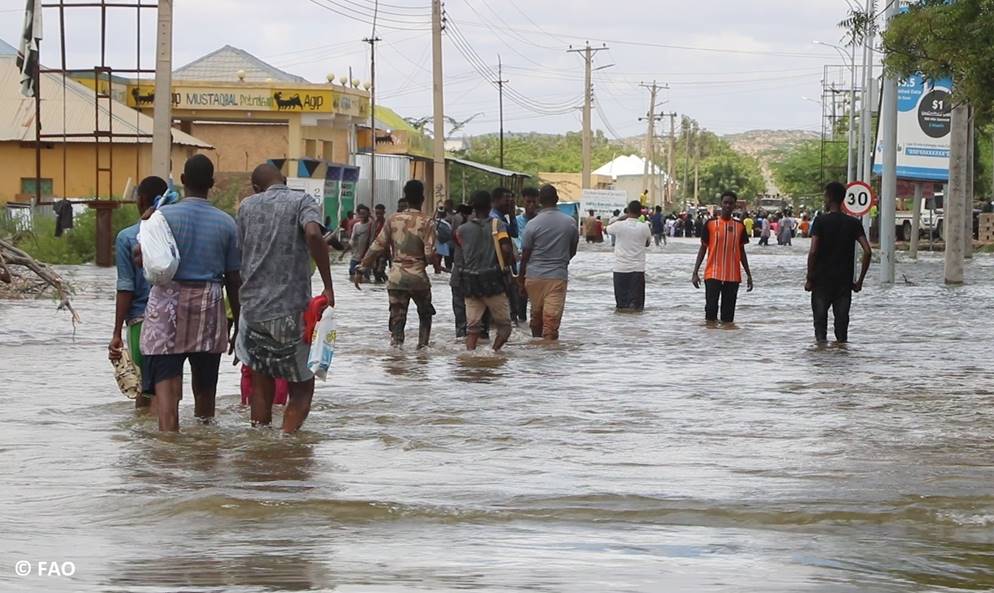
The Lagos State Government has asked residents living in flood prone areas to move temporarily to higher ground as the state responds to a fresh flood alert issued by the Nigerian Hydrological Services Agency.
The Commissioner for Environment and Water Resources, Mr Tokunbo Wahab, gave the advice in a statement made available by the Director of Public Affairs, Mr Kunle Adeshina, on Monday in Lagos.
Wahab said the seven day alert warned of rising river levels that could trigger flooding in vulnerable communities across Lagos and 14 other states.
He said the possible flooding could affect public facilities and economic activities, including schools, healthcare centres, markets, farms and places of worship.
Among the vulnerable areas identified in Lagos are Eti Osa, Lagos Island, Oke Ira Nla in Ajah, Kirikiri, Ilaje Waterfront Jetty and Jetty Terminal B.
Wahab urged residents in affected communities to act before floodwaters rise rather than wait for conditions to deteriorate.
“When the signs point to danger, the safest decision is to move early. No property is worth risking a life,” he said.
The commissioner said the state had stepped up monitoring in riverine, low lying and other communities considered vulnerable to flooding.
He advised affected residents to move to higher ground and remain there until the peak of the resurgent rainy season had passed.
According to Wahab, Lagos typically experiences a second phase of the rainy season from September, bringing increased rainfall, rising water levels and tidal influences.
He urged residents living close to rivers, lagoons, wetlands, drainage channels and other water bodies to maintain heightened vigilance and comply with official safety advisories.
Communities along the Ogun River and other major waterways were also advised to take extra precautions because rainfall upstream could raise water levels and affect downstream settlements.
Wahab specifically identified Isheri North, Kara, Itowolo, Ajegunle, Majidun, Ogolonto and parts of Agboyi among the areas requiring increased attention.
He said residents in those locations and other settlements downstream of Isheri Olofin should remain on high alert between Sept. 19 and Sept. 25.
Residents of coastal and waterfront communities were also advised to monitor official flood forecasts and prepare to relocate temporarily if flooding became imminent.
The commissioner called on local governments, emergency management agencies, community leaders and residents to activate early warning and response measures.
He said people, livestock and valuable possessions should be moved to safer locations where necessary.
The state government, he added, would continue working with relevant federal agencies to monitor river levels, rainfall patterns and other hydrological developments.
Wahab said routine cleaning, maintenance and monitoring of drainage infrastructure would also continue across the state.
He warned residents against dumping refuse into drains, canals and waterways, noting that blocked drainage channels could worsen flooding.
The commissioner also advised residents not to walk or drive through flooded roads, bridges or fast moving water.
He said the government would continue taking measures to reduce flood risks and provide updates as conditions changed.
THE ISSUES
- The relocation advice is aimed at reducing exposure to flooding in communities where rising river levels and heavy rainfall could create immediate risks to lives and property.
- Areas near rivers, lagoons, wetlands and waterways face additional exposure because rainfall upstream can increase downstream water levels. The state has therefore placed several communities along the Ogun River and other waterways on heightened alert.
- The warning also has implications for local economic activity and public services because flooding could affect markets, farms, schools, healthcare centres and places of worship in vulnerable areas.
- Residents are being asked to take preventive measures before flooding becomes severe. This includes moving people, livestock and valuable belongings to safer locations and following official advisories.
- Drainage maintenance remains part of the state’s flood response, while residents have been warned that dumping waste into drains and waterways can obstruct water flow and worsen flooding.
WHAT’S BEING SAID
“When the signs point to danger, the safest decision is to move early. No property is worth risking a life.” – Tokunbo Wahab, Commissioner for Environment and Water Resources
WHAT’S NEXT
The Lagos State Government will continue monitoring rainfall, river levels and other hydrological conditions with relevant federal agencies.
Residents in the identified vulnerable communities are expected to remain alert, follow official flood forecasts and relocate temporarily where flooding becomes imminent.
BOTTOM LINE
Lagos has asked residents in vulnerable communities to move early as a seven day flood alert raises concerns over rising water levels. The state is combining community warnings, hydrological monitoring and drainage maintenance with calls for residents to avoid actions that could worsen flooding.