Key points
- Federal Government plans to develop a modern ranch on 30,000 hectares within the Wase Grazing Reserve in Plateau State.
- Livestock development strategy targets dairy production, feedlot expansion, grazing reserve rehabilitation and value-chain growth.
- Government seeks to leverage Plateau’s livestock institutions to drive food security, job creation, investment and peacebuilding.
Main story
The Federal Government has unveiled an ambitious roadmap to transform Plateau State into Nigeria’s leading livestock production, research and peacebuilding hub through strategic investments in ranch development, dairy production, grazing reserve rehabilitation and livestock value-chain expansion.
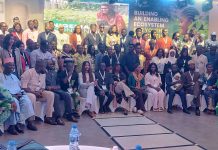
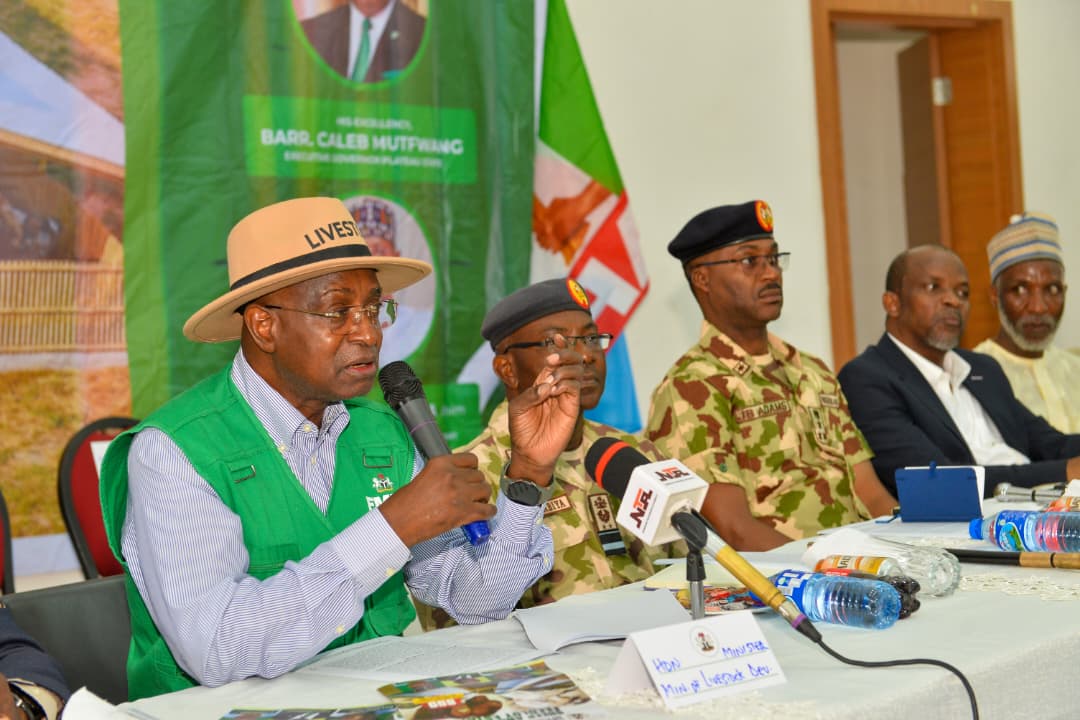
Speaking at a Livestock Stakeholders Meeting in Jos on Monday, the Minister of Livestock Development, Idi Mukhtar Maiha, said Plateau possesses the institutional capacity, natural resources and historical advantage to become a major centre for livestock enterprise and innovation in Nigeria.
The minister described the state as a longstanding hub of veterinary excellence and livestock research, citing the presence of the National Veterinary Research Institute (NVRI) and the Federal College of Animal Health and Production Technology, among other institutions that have contributed to livestock development for more than a century.
Maiha said the Federal Ministry of Livestock Development, in collaboration with Defence Headquarters, is advancing the implementation of the National Ranching Policy and supporting the establishment of a modern ranch on approximately 30,000 hectares within the Wase Grazing Reserve.
According to him, the initiative is expected to boost livestock productivity, reduce conflicts associated with open grazing and create sustainable economic opportunities for communities across the state.
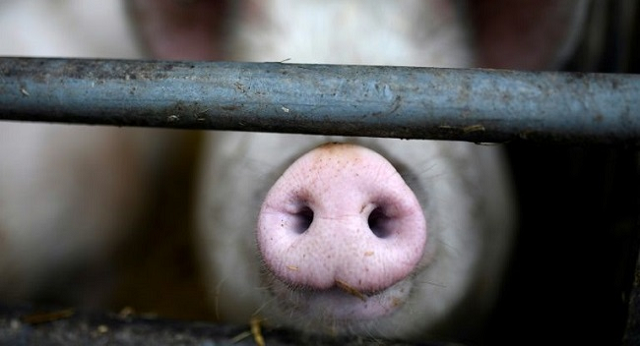
He further disclosed that the ministry is promoting feedlot development and modern livestock infrastructure to position Plateau as a major hub for cattle, sheep, goat and pig production.
As part of the infrastructure upgrade, plans are underway to expand abattoir facilities with the capacity to process up to 500 cattle and 500 pigs daily.
The issues
The Federal Government’s livestock development agenda comes against the backdrop of persistent farmer-herder conflicts, low livestock productivity, inadequate infrastructure and growing concerns about food security.
Stakeholders have long argued that the livestock sector remains underdeveloped despite its significant contribution to Nigeria’s agricultural economy and its potential to generate employment, attract investment and stimulate rural development.
The government also views ranching and organised livestock production as critical tools for addressing insecurity, reducing resource-based conflicts and improving productivity across the sector.
Recent security challenges in Plateau State have further underscored the need for economic interventions capable of fostering peaceful coexistence and shared prosperity among communities.
What’s being said
Minister Maiha expressed condolences to the Government and people of Plateau State over recent security incidents and loss of lives, while stressing the importance of promoting economic activities that unite communities.
He said livestock development should be approached as a viable business enterprise capable of driving economic transformation rather than being viewed solely as a traditional agricultural activity.
“Livestock is central to national food security, job creation, wealth creation and social stability. The future of livestock in Plateau should be organised, scientific, inclusive, peaceful and profitable,” the minister stated.
He identified commercial pasture cultivation, dairy production, homestead dairy enterprises, sheep and goat fattening, piggery development and livestock waste management as key investment opportunities capable of creating jobs, particularly for women and youths.
Maiha also called on the Plateau State Government, development partners, financial institutions, private investors, traditional rulers and community leaders to work together in creating an enabling environment for sustainable livestock development.
What’s next
The Federal Ministry of Livestock Development is expected to engage stakeholders on the implementation of the proposed ranching and livestock development initiatives.
Attention will focus on the development of the Wase Grazing Reserve, expansion of feedlot operations, modernisation of livestock infrastructure and mobilisation of private-sector investment into the sector.
The ministry is also expected to strengthen partnerships with state governments, financial institutions and development organisations to support livestock value-chain development across the country.
Stakeholders believe that successful implementation of the programme could significantly improve livestock productivity, enhance food security and create thousands of jobs within the agricultural sector.
Bottom line
The Federal Government’s plan to transform Plateau into Nigeria’s livestock hub represents a major step in its broader strategy to modernise the livestock sector, boost food production and address longstanding security challenges linked to grazing. If effectively implemented, the initiative could position Plateau as a national centre for livestock enterprise, attract substantial investment and create sustainable economic opportunities for communities across the state.