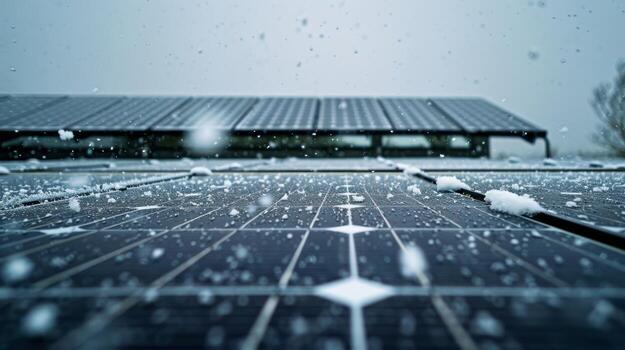
Every rainy season, the same question returns. Can solar panels still generate electricity when the sky is covered with clouds?
It is a concern shared by many Nigerians who already use solar power and those considering switching from generators or unreliable grid electricity. On social media, videos often surface of frustrated users wondering why their systems seem to perform poorly whenever the weather changes. Friends and neighbours reinforce the uncertainty, insisting that solar panels simply stop working once the sun disappears. The belief has become so widespread that many solar installers now spend almost as much time correcting misconceptions as they do installing systems.
So, what is the truth? To separate fact from fiction, Biz Renewables spoke with three Nigerian solar professionals who collectively have decades of experience designing and installing solar systems across homes and businesses. While each explained the issue differently, they all agreed on one important point: cloudy weather does not automatically mean your solar panels have stopped working.
Solar panels still work, but they produce less electricity
According to Boma Jacks, founder of SOLUSOFT LIMITED, one of the biggest misconceptions about solar is that rain or cloudy skies completely shut down electricity generation.
That is not how solar panels work. He explains that solar panels generate electricity from sunlight, not heat. Even when thick clouds cover the sky, some sunlight still passes through the atmosphere. Modern solar panels can capture this scattered light, although they produce much less electricity than they would on a bright, sunny day. On heavily overcast days, he says, a solar panel may produce only about 10 to 25 per cent of its normal output. The exact amount depends on how dark the clouds are and how much sunlight reaches the panels.
Interestingly, rain itself is not the problem. In fact, rain often helps by washing away dust, dirt and harmattan particles that accumulate on the surface of solar panels. Once the skies clear, cleaner panels can sometimes perform better than they did before the rainfall.
For many installations in Nigeria, he says, prolonged dust during the dry season can have a greater impact on performance than the rain itself.
Weather matters, but so does the type of solar system you have
While agreeing that cloudy weather affects performance, Osunniyi Obafemi of Light House Inverters says the experience can vary from one installation to another. He explains that solar panels rely on sunlight to generate enough electrical current to charge batteries. During periods of heavy cloud cover, the amount of usable electricity produced drops significantly.
In some situations, particularly during persistent rainfall, certain systems may produce so little charging current that battery charging becomes extremely slow or almost nonexistent. However, he says newer solar technologies have improved performance in low-light conditions.
Modern monocrystalline solar panels, for example, perform better than many older panel designs because they are more efficient at converting available sunlight into electricity.
He also points to newer technologies designed to reduce losses caused by partial shading. These improvements do not eliminate the impact of cloudy weather, but they help systems continue producing electricity under conditions that would have significantly affected older equipment. The result is that two neighbouring homes can have very different experiences during the same rainy week, depending on the quality of their equipment and how their systems were designed.
Your batteries may be the bigger issue
Many people assume their solar panels have failed because they notice their batteries no longer last through the night. The problem, however, is not always the panels.
According to Boma Jacks, many disappointing solar experiences can be traced back to incorrect system design rather than faulty equipment.
One of the most common mistakes is installing a system that is too small for the amount of electricity a household or business actually consumes. To reduce costs, some buyers choose smaller systems without properly calculating their energy needs. The result is that the batteries are constantly overworked, leading to poor performance and a shorter lifespan. He also points to poor battery installation, low-quality batteries, undersized cables and inadequate protection systems as common causes of disappointing performance. When these problems occur together, people often blame the weather when the real issue lies elsewhere.
Why your solar system may struggle more during the rainy season
Obafemi says seasonal changes naturally affect how much electricity a solar system can generate. During the dry months, when sunlight is stronger and lasts longer, solar panels generally perform at their best. As the rainy season sets in, the number of hours with strong sunlight falls, reducing the amount of energy collected during the day.
That means households may need to be more careful about how they use stored electricity. He says one mistake many users make is assuming that because their batteries powered the house comfortably during the dry season, they should provide exactly the same backup during weeks of continuous rain. In reality, less energy is being stored each day because less sunlight is available.
Without adjusting electricity use, batteries may appear to run down much faster even though they are functioning normally.
Not every poor-performing system has bad equipment
Adedayo Philip Ayegusi of Firstiephil Enterprise says many solar complaints can be avoided before installation even begins.
In his view, buying quality equipment is only part of the solution. A properly designed system should match both current and future electricity needs. Choosing reliable panels, quality lithium batteries and experienced installers makes a significant difference over the life of the system. He also advises buyers to monitor their systems regularly through available mobile apps, keep warranty documents and ensure proper safety measures are installed from the beginning.
According to him, a solar system should be viewed as a long-term investment rather than simply another appliance.
So, should cloudy weather stop you from investing in solar?
Based on the experiences of the three installers, the verdict is no. Clouds reduce the amount of electricity solar panels generate, but they do not automatically stop them from working. How much electricity you still receive depends on several factors, including the intensity of the cloud cover, the quality of your solar panels, the size of your system, the condition of your batteries and how well the entire installation was designed.
The more important lesson may be this: when a solar system performs poorly, the weather is not always to blame. In many cases, disappointing performance begins long before the first rainy day. It starts with poor planning, undersized systems, low-quality components or installations that prioritised the cheapest quote over long-term reliability.
For anyone considering solar, understanding that distinction could mean the difference between years of dependable electricity and becoming the next person on social media asking why their solar system no longer works.