





Keypoints
- CENTCOM Commander Brad Cooper announced late Tuesday that a naval blockade of Iranian ports is now “fully implemented,” bringing seaborne trade to a “complete standstill.”
- The operation, involving U.S. Navy guided-missile destroyers, achieved total maritime dominance within 36 hours of commencement.
- The blockade is “impartial,” targeting vessels from all nations attempting to enter or leave Iranian coastal waters.
- President Donald Trump ordered the measure following the collapse of diplomatic talks in Islamabad last weekend.
- The primary objectives are to strip Iran of oil revenues and prevent the collection of transit fees for passage through the region.
Main Story
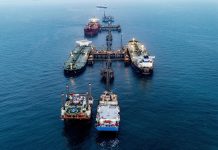
The United States military has successfully locked down Iran’s maritime corridors, effectively paralyzing the nation’s commercial shipping. Vice Admiral Brad Cooper, commander of U.S. Central Command (CENTCOM), confirmed on X (formerly Twitter) that the blockade has moved from a deployment phase to full enforcement.
According to Cooper, U.S. forces utilized high-speed maritime dominance tactics to shutter all Iranian trade routes in record time, leaving tankers and cargo vessels unable to reach their destinations.
The blockade was triggered by the failure of high-level negotiations in Islamabad, where Washington and Tehran were unable to reach an agreement regarding regional security and transit protocols. President Donald Trump responded by targeting Iran’s economic lifeline—the Strait of Hormuz.
By enforcing an impartial blockade, the U.S. Navy is not only halting Iranian exports but also preventing the country from charging international vessels fees for passing through the strategic waterway.
The Issues
The primary challenge is the global-trade-friction gap; because the blockade is applied “impartially to all nations,” it risks diplomatic fallout with major trade partners who rely on these routes. Authorities must solve the problem of neutral-vessel safety, as the presence of guided-missile destroyers increases the risk of accidental kinetic engagement. Furthermore, there is an energy-price volatility risk; with Iranian oil exports at a “complete standstill,” the global market faces an immediate supply crunch that could drive prices far above current forecasts. To manage the fallout, the U.S. will likely need to coordinate with other oil-producing nations to stabilize global reserves as the blockade continues indefinitely.
What’s Being Said
- “A blockade of Iranian ports has been fully implemented… brought seaborne trade with Iran to a complete standstill,” stated Commander Brad Cooper.
- CENTCOM officials clarified that the operation is being enforced “against vessels of all nations,” emphasizing that there will be no exceptions for third-party tankers.
What’s Next
- U.S. Navy destroyers are expected to maintain a 24-hour patrol cycle to intercept any attempts to bypass the blockade through shallow-water coastal routes.
- Global shipping companies are anticipated to reroute all vessels away from Iranian waters, likely leading to congestion in neighboring ports like Jebel Ali.
- President Donald Trump is expected to deliver a follow-up address detailing the next steps in the “maximum pressure” campaign following the Islamabad failure.
- The UN Security Council may see urgent motions from nations whose commercial interests are impacted by the “impartial” enforcement against third-party vessels.
Bottom Line The total enforcement of the blockade signals a shift from economic sanctions to active military interdiction. By bringing Iranian trade to a halt in less than 36 hours, CENTCOM has demonstrated a level of maritime control that leaves Tehran with few economic options and significantly raises the stakes for regional peace.