







By Boluwatife Oshadiya | July 27, 2026
Key Points
- FIFA has confirmed automatic qualification for all six host nations of the 2030 FIFA World Cup
- Argentina will qualify despite hosting only one centenary match in Buenos Aires
- The decision follows controversy surrounding Argentina’s conduct after the 2026 FIFA World Cup final
Main Story
Argentina has been granted automatic qualification for the 2030 FIFA World Cup after FIFA confirmed that all six host nations will receive direct entry into the tournament, despite the South American nation hosting only a single commemorative match.
The 2030 edition, which marks the centenary of the FIFA World Cup, will be jointly hosted by Spain, Portugal and Morocco as the tournament’s primary hosts. To commemorate the inaugural 1930 World Cup, FIFA will also stage one opening match each in Uruguay, Argentina and Paraguay, bringing the total number of host nations to six.
The decision means Argentina, Uruguay and Paraguay will automatically qualify alongside Spain, Portugal and Morocco, eliminating the need for the six nations to participate in the qualification process.
Uruguay will host one of the opening fixtures in Montevideo, where the first-ever FIFA World Cup was held in 1930. Argentina will stage its commemorative match in Buenos Aires, while Paraguay’s capital, Asuncion, will host the third centenary fixture, reflecting the country’s status as headquarters of South American football governing body CONMEBOL.
The confirmation comes just days after Argentina finished runners-up at the 2026 FIFA World Cup following defeat to Spain in the final. The aftermath of that match generated widespread controversy after confrontations involving Argentine players and staff, while FIFA also opened an investigation into incidents that occurred after the final whistle.
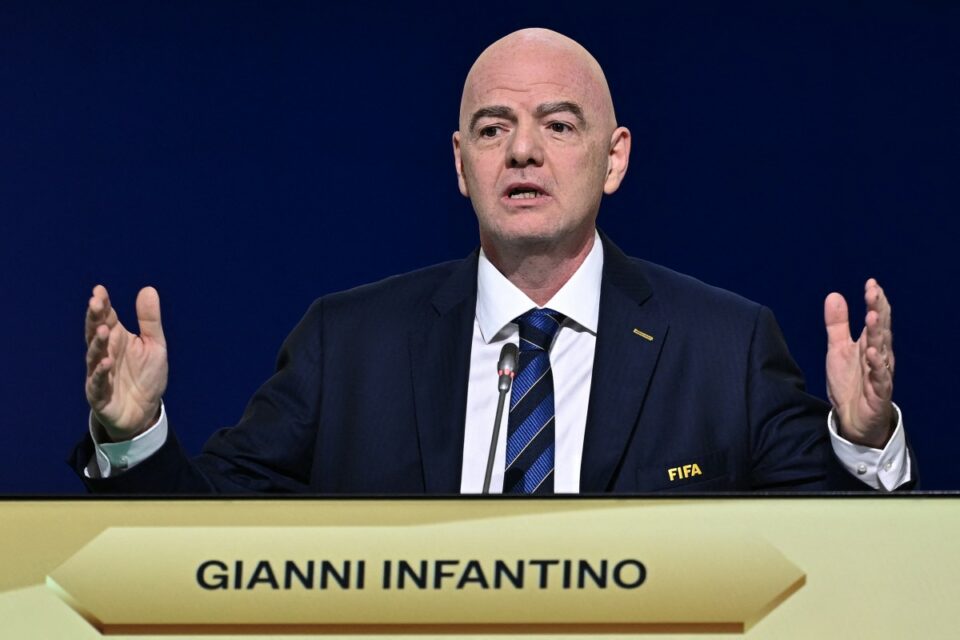
The situation intensified after a congratulatory letter from FIFA President Gianni Infantino to the Argentine Football Association was leaked publicly, prompting criticism from some football supporters who questioned FIFA’s handling of the controversy.
The Issues
The automatic qualification decision has reignited debate over FIFA’s expanding tournament structure and governance. While host nations have traditionally qualified automatically, extending that privilege to six countries is unprecedented in World Cup history.
The move also comes as FIFA continues to defend its decision to expand the tournament. The 2026 World Cup featured 48 teams for the first time, while football officials are now discussing the possibility of increasing participation to 64 teams for the centenary edition in 2030.
Critics argue that the expansion could dilute the competitiveness of the tournament, while supporters believe it offers greater global representation and celebrates the World Cup’s 100-year history.
What’s Being Said
“I would like to reiterate my most sincere congratulations for this important new result for Argentine football,” FIFA President Gianni Infantino wrote in a letter addressed to the Argentine Football Association following the team’s runner-up finish at the 2026 World Cup.
“The magnificent performance of the Albiceleste contributed decisively to making this edition an exceptional event that captivated millions of football enthusiasts around the world,” Infantino added.
Meanwhile, CONMEBOL President Alejandro Domínguez reaffirmed support for an expanded tournament, stating on X: “In 2030, the World Cup comes to Uruguay, Argentina and Paraguay, a great opportunity for football to celebrate the World Cup Centenary with a 64-team tournament.”
FIFA Chief of Global Football Development Arsène Wenger also defended the expanded format after the success of the 2026 competition, saying more participating nations had demonstrated they could compete at the highest level.
What’s Next
- FIFA is expected to formally confirm the final competition format, including whether the 2030 World Cup will expand from 48 to 64 teams.
- Further details regarding scheduling, logistics and qualification pathways for non-host nations are expected in the coming months.
- FIFA’s disciplinary investigation into Argentina’s conduct following the 2026 World Cup final is still ongoing.
Bottom Line: FIFA’s decision to automatically qualify all six host nations reflects the governing body’s ambition to turn the 2030 World Cup into a global centenary celebration. However, the move is also likely to intensify debate over tournament expansion, sporting fairness and FIFA’s governance at a time when the competition is undergoing its biggest transformation in history.