









By Annette Ikponmwonba | August 20, 2026
KEYPOINTS
- Apapa Area Command of the Nigeria Customs Service (NCS) generated a record N28.10bn in 24 hours on August 18, 2026.
- The collection surpassed the command’s previous single-day record of N20.1bn, set in September 2025.
- The new milestone comes weeks after Apapa Customs recorded a record N323bn monthly revenue collection in July 2026.
- Customs attributed the performance to improved compliance, trade facilitation, intelligence-led interventions and digital processes.
- The command says revenue collection must continue alongside efficient trade facilitation and stakeholder engagement.
- Customs Area Controller Emmanuel Oshoba urged officers to view the record as a responsibility to improve performance.
MAIN STORY
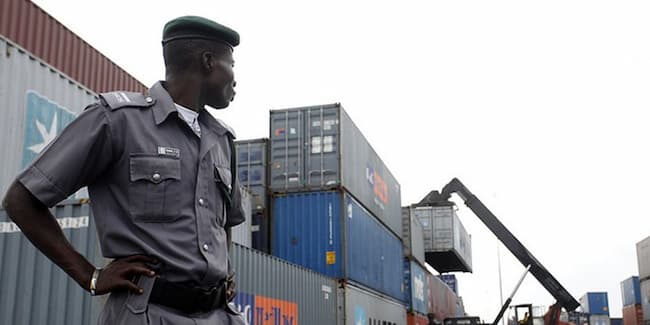
The Nigeria Customs Service (NCS), Apapa Area Command, has recorded its highest-ever single-day revenue collection after generating N28.10bn within 24 hours on Tuesday, August 18, 2026, The milestone was announced by the command’s Public Relations Officer, Isah Sulaiman, Chief Superintendent of Customs, on Wednesday, The new record surpassed the command’s previous highest daily collection of N20.1bn, recorded in September 2025, shortly after the assumption of office of the current Customs Area Controller, Emmanuel Oshoba.
The latest performance also comes barely weeks after Apapa Customs recorded an unprecedented N323bn in monthly revenue in July 2026, According to the command, the latest figures reflect the impact of ongoing reforms, stronger compliance by traders, improved trade facilitation, intelligence-driven interventions and greater efficiency from digital customs processes.
Oshoba said the significance of the record goes beyond the amount collected, noting that customs revenue contributes to government resources used to fund infrastructure, security, education, healthcare and other public services, He commended the Comptroller-General of Customs, Adewale Adeniyi, and the NCS management team for supporting modernisation, automation and reforms aimed at making customs operations more efficient, transparent and business-friendly, The Customs Area Controller also acknowledged compliant importers, exporters, licensed customs agents and other stakeholders, as well as Nigerians who provide actionable intelligence to the service.
THE ISSUES
The record collection highlights the importance of the Apapa port corridor to Nigeria’s revenue generation and international trade, Higher customs revenue provides additional resources for government at a time when public finances remain under pressure. However, the sustainability of such revenue growth will depend on maintaining compliance without creating additional bottlenecks for legitimate businesses.
There is also a need to balance revenue mobilisation with trade facilitation. Higher collections should not come at the expense of longer clearance times, excessive administrative procedures or uncertainty for importers and exporters, The command itself acknowledged this balance, with Oshoba directing officers to resolve legitimate disputes promptly and ensure that customs procedures do not unnecessarily hinder lawful businesses.
WHAT’S BEING SAID
Oshoba said the record should be viewed as a contribution to Nigeria’s broader economic development rather than simply a revenue achievement, He stressed that every compliant transaction contributes to national development and urged importers, exporters and other stakeholders to continue supporting legitimate trade.
The Customs Area Controller also warned officers against complacency, describing the record as a responsibility to achieve more, He maintained that revenue generation must go hand in hand with trade facilitation, professionalism, transparency and respect for stakeholders.
WHAT’S NEXT
The immediate challenge for Apapa Customs is to sustain the revenue momentum while improving the efficiency of cargo clearance and legitimate trade, The command is expected to continue using digital customs systems, intelligence-led interventions and compliance measures to strengthen revenue collection.
Oshoba has also directed personnel to improve the handling of legitimate disputes and ensure that lawful businesses are not unnecessarily delayed by customs procedures, Stakeholder cooperation will remain important, particularly from importers, exporters, customs agents and other participants in the port ecosystem.
BOTTOM LINE
Apapa Customs’ N28.10bn single-day collection represents a major revenue milestone for the command and reinforces its growing contribution to government finances, The bigger test, however, is whether the record can translate into sustained revenue growth without compromising trade facilitation. For businesses operating through Apapa, the effectiveness of the reforms will ultimately be measured not only by how much Customs collects, but also by how efficiently legitimate cargo moves through the port.





, Apapa Area Command, has recorded its highest-ever single-day revenue collection after generating...)