





Key Points
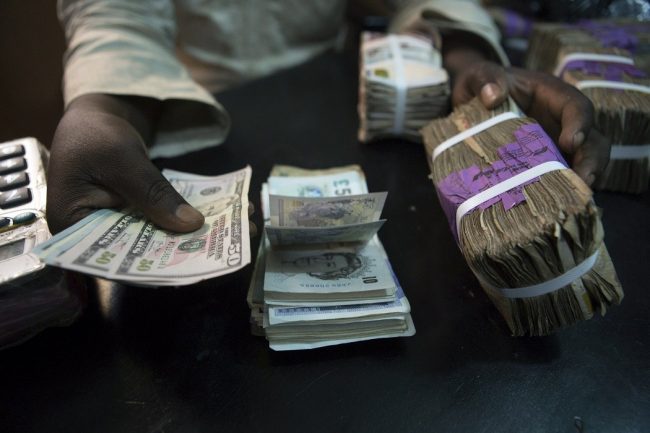
- Global health expert Ebere Okereke urges African governments to treat health spending as an economic investment.
- She says poor funding for healthcare leads to higher long-term costs such as disease outbreaks and productivity loss.
- Experts call for better budget execution, transparency, and stronger accountability in health financing.
- Governments should increase domestic funding through taxes, health levies, and insurance systems.
Main Story
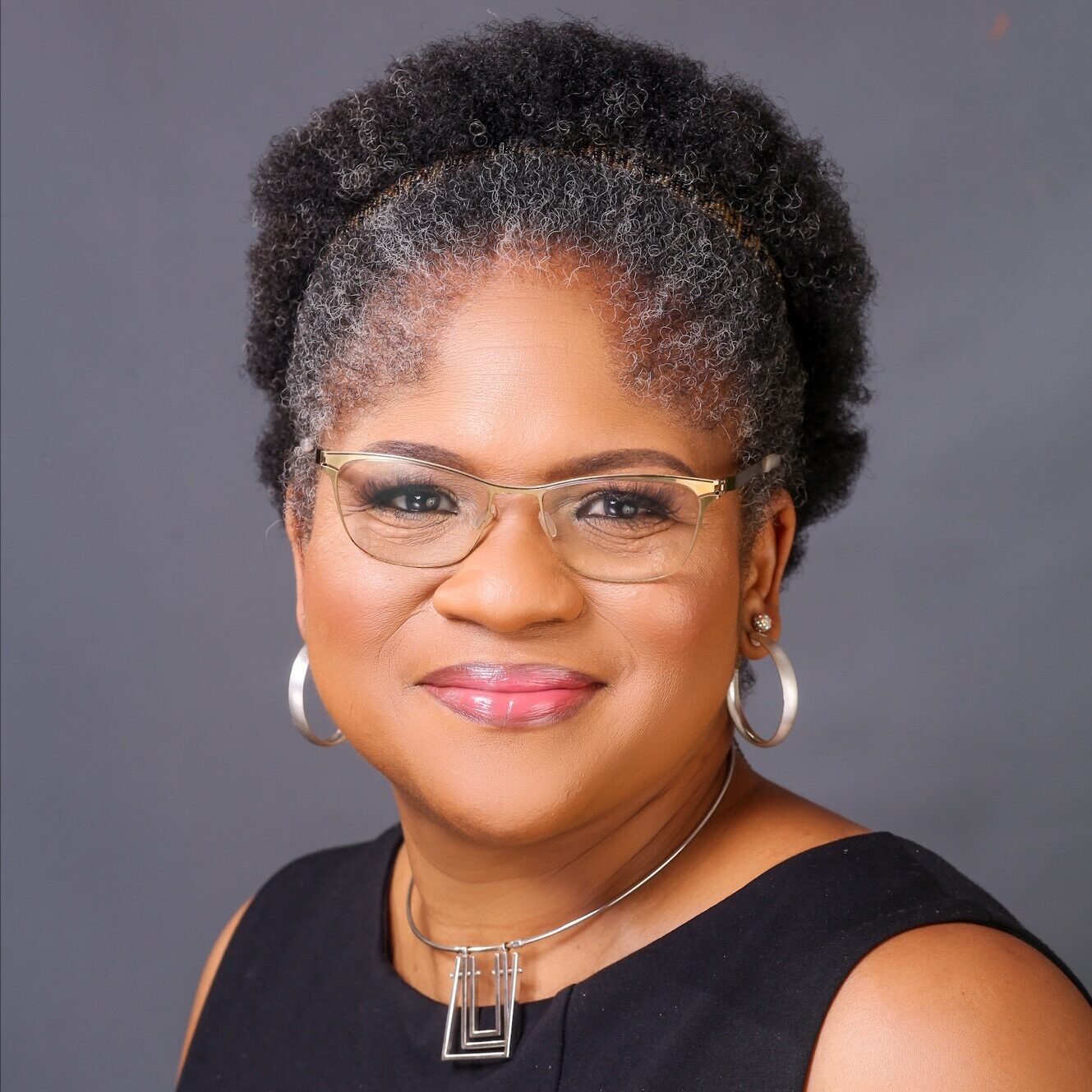
An independent global health expert, Ebere Okereke, has urged African governments to treat spending on healthcare as a strategic economic investment rather than a social burden.
Okereke, an Associate Fellow at Chatham House, told the News Agency of Nigeria that governments should change the way health funding is discussed during national budget planning.
According to her, health spending is often presented as a humanitarian or social issue. She said this makes it easier for governments to reduce health budgets during financial pressure.
Instead, she advised policymakers to highlight the economic benefits of investing in health, such as improved workforce productivity, stronger economies, and reduced long-term healthcare costs.
The Issues
Okereke said many African countries face challenges not only because of limited resources but also due to weak governance and poor implementation of health budgets.
In some cases, funds approved for healthcare are not properly used or remain unspent, limiting improvements in health services.
She also noted that poor investment in primary healthcare, disease prevention, and health system preparedness can lead to larger costs in the future.
What’s Being Said
Okereke stressed that health financing should involve more than just ministries of health.
“Health financing should not remain only a Ministry of Health issue,” she said.
She explained that ministries of finance, planning, and labour should also recognise the connection between strong health systems and economic growth.
She also recommended domestic funding sources such as health levies, taxes on tobacco and alcohol, and health insurance pooling systems.
What’s Next
With global health aid becoming less predictable, Okereke said African governments should focus on sustainable domestic financing and improve how existing health budgets are managed.
She also called for better use of data and evidence when making health policy and budget decisions.
Bottom Line
Experts say stronger governance, better use of health budgets, and increased domestic funding are key to building stronger and more resilient health systems across Africa.