






Key points
- Lagos State has opened registration for the maiden Lagos Cleaner Energy Schools Innovation Challenge (LCESIC) 2026.
- The competition targets SS1 and SS2 students in Education Districts I, II and III.
- Participating schools will develop practical clean energy solutions and compete from district to state level.
- The initiative aims to promote STEM education, youth innovation and clean energy development.
Main story
The Lagos State Government has commenced registration for the inaugural Lagos Cleaner Energy Schools Innovation Challenge (LCESIC) 2026 as part of efforts to encourage innovation and build interest in clean energy among secondary school students.
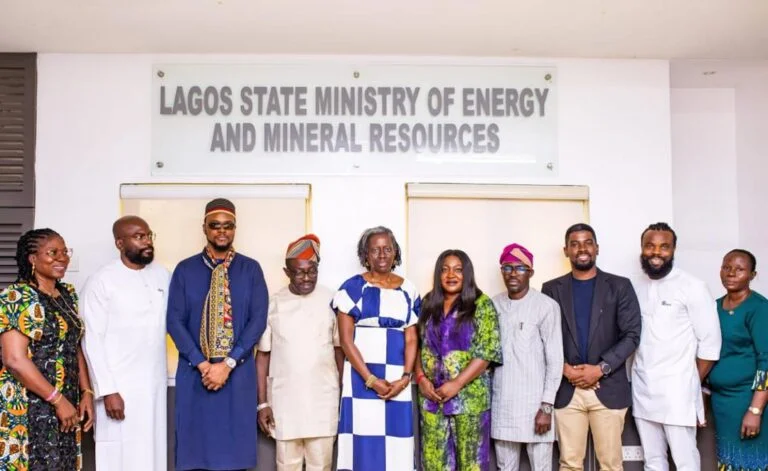
The initiative, organised by the Ministry of Energy and Mineral Resources, is open to students in Senior Secondary School One (SS1) and Senior Secondary School Two (SS2) across Education Districts I, II and III.
Participating schools are expected to assemble teams of five students, supported by a supervising teacher and a mentor, to design practical solutions that address real-world clean energy challenges. The competition will begin at the district level before progressing to a state-wide final for the top-performing teams.
The state government said the programme is intended to equip students with problem-solving, critical thinking and innovation skills while exposing them to opportunities within the renewable energy sector.
According to the Ministry, the competition forms part of broader efforts to cultivate future innovators capable of contributing to Nigeria’s transition towards cleaner and more sustainable energy systems.
The initiative also supports the state’s broader education and economic development agenda by encouraging collaboration, creativity and practical application of science and technology among young people.
Schools interested in participating have been advised to complete registration through the designated application portal after meeting the competition’s eligibility requirements.
The issues
Nigeria’s transition to cleaner energy will require not only investment in infrastructure but also the development of skilled professionals and innovators. Programmes that expose students to renewable energy concepts at an early stage can help build the workforce needed to support future energy transformation and technological advancement.
What’s being said
“The future of sustainable energy depends not only on infrastructure but, more importantly, on people.” — Biodun Ogunleye, Lagos State Commissioner for Energy and Mineral Resources
What’s next
Registration will continue for eligible schools before district-level contests begin, with the best-performing teams advancing to compete for the state championship.
Bottom line
By introducing a clean energy innovation competition for secondary school students, Lagos is seeking to nurture future innovators while strengthening STEM education and supporting the state’s long-term sustainability goals.