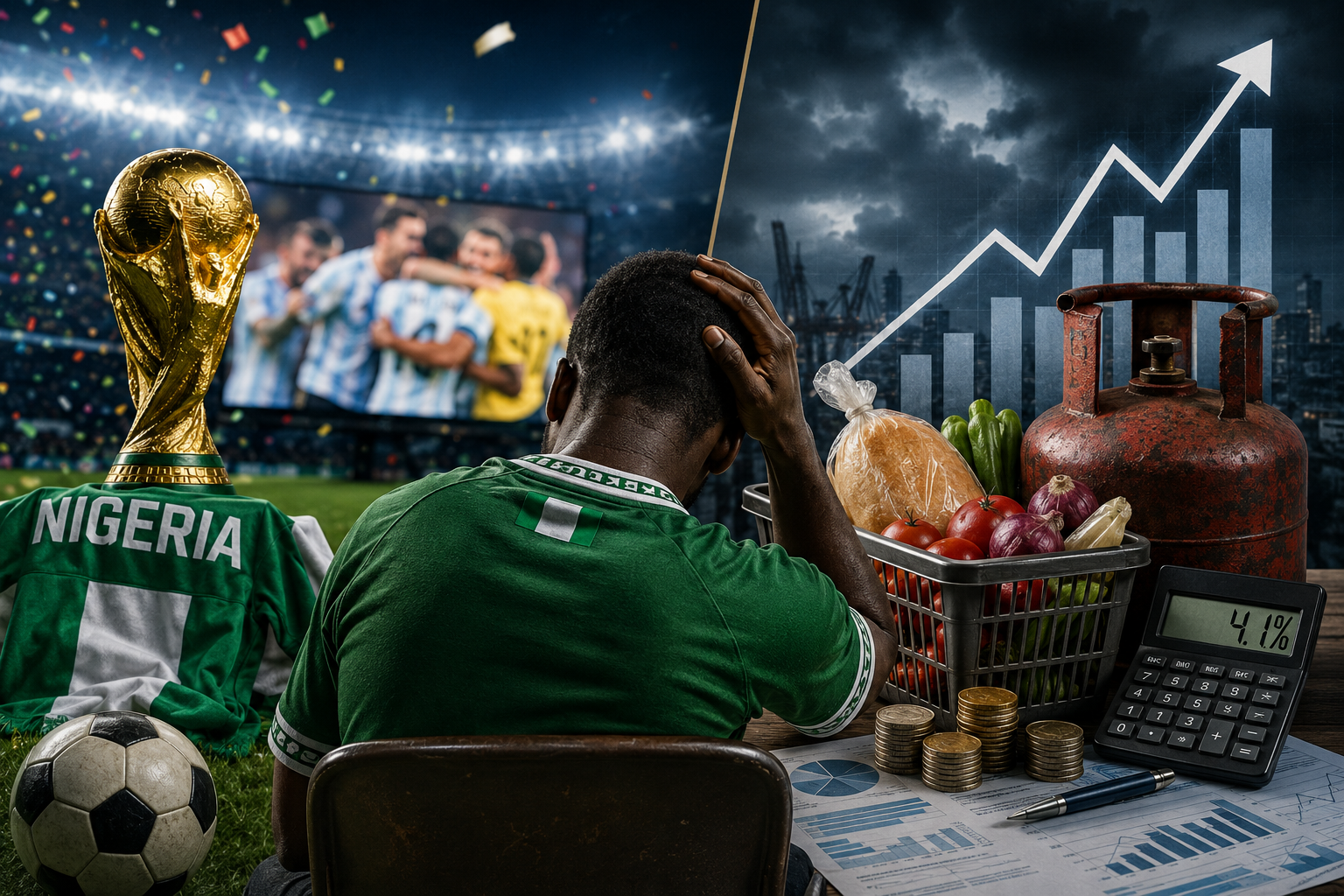
Hello, my fellow Remote Spectators, Accidental Economists, and Resilient Citizens. Welcome back to our weekly sanctuary! Today is Thursday, July 9, 2026. If you spent your morning watching sports highlight clips of other nations celebrating their way through the World Cup quarter-finals while your own green jersey sits lonely in your wardrobe, or if you found yourself trying to figure out how the global economy is directly affecting the price of your morning loaf of bread, pull up a plastic chair. You are in the safest room on the internet.
We have officially fully entered July 2026, and the vibe across X (Twitter), Instagram, and Facebook has reached a peak level of emotional multitasking. We are simultaneously mourning what could have been on the football pitch while running high-level forensic analysis on the latest economic data sheets.
Let’s break down the major waves making our timelines bubble this week with street-smart humor, deep empathy, and a clear layman view of the facts.
If you’ve opened any sports blog or social media app over the last 48 hours, the atmosphere is heavy with “What If” energy. The 2026 FIFA World Cup quarter-finals are fully underway, and stadiums across North America are rocking. But for the average Nigerian fan, scrolling through the timeline feels like watching your ex-girlfriend’s wedding video—you are happy for the couple, but a tiny part of your soul is crying inside.
Following our consecutive failures to make it to football’s ultimate stage, former football chiefs and veterans like Segun Odegbami have been trending for calling our absence a “national embarrassment.” The timeline has transformed into a massive, unaccredited coaching clinic.
The humor online is peak Nigerian coping mechanism. Football enthusiasts are making memes about how the Super Eagles would have “cooked” the teams currently playing, while others are jokingly looking for any country with a green flag—like Algeria or even Switzerland—to support just so they can pretend they are part of the festivities.
But beneath the banter lies a deep, empathetic truth: football is our collective national heartbeat. Missing out on the tournament during an already tense economic season feels like being denied the one free therapeutic escape we all look forward to.
While the sports fans are dealing with emotional heartbreak, the financial side of the timeline is dealing with literal arithmetic. Yesterday, the International Monetary Fund (IMF) dropped its July 2026 World Economic Outlook Update, and every economic analyst on social media immediately turned it into a thread.
On paper, the news sounds quite fancy: the IMF projected that Nigeria’s economy will grow by 4.1% this year, rising slightly to 4.3% in 2027 due to improving macroeconomic stability. But the IMF also added a very loud caveat that everyday Nigerians are currently pasting all over Facebook and X: elevated prices for essential goods are expected to continue squeezing household purchasing power and worsening food insecurity.
The online reaction is a beautiful masterclass in street-level economic analysis. People are pointing out the wild disconnect between a “4.1% growth chart” on a laptop in Washington and the actual cost of buying a single basket of tomatoes at the local market.
“IMF says the national economy is growing by 4.1%, but my salary is completely frozen at 0% growth while the price of filling my 12.5kg gas cylinder has violently jumped by 50%, skyrocketing from ₦14,000 to ₦21,000 in a flash! Let that 4.1% growth start reflecting in my soup pot and kitchen budget, please, because we cannot use textbook percentages to boil beans!”
It highlights the reality of 2026 survival: our macroeconomic reforms are stabilizing the big numbers, but the ordinary citizen on the ground is still performing a daily miracle just to balance their home budget.
Lessons for the Weekend
Don’t Let Football FOMO Ruin the Game: Even though the Super Eagles aren’t on the pitch, enjoy the World Cup for the pure artistry of the sport. Use the tournament as a healthy mental break from the daily grind.
Audit Your Household Essentials: With the IMF predicting that essential item prices will remain stubborn for the rest of the year, this is the perfect weekend to look at your personal finances. Focus on buying non-perishable food items in bulk with friends or family to beat retail markups.
Protect Your Mental Space: The digital landscape in July is a non-stop flood of economic statistics, political debates, and sports arguments. It is perfectly okay to turn off your data, step into the physical world, and enjoy a quiet moment with the people who matter.
See you next Thursday—hopefully with a drop in local food prices, clearer sports administration plans for the future, and an economy that lets us all breathe a little easier!