




Hello, my fellow Puddle-Jumpers, Waste-Managers, and Deep-Thinking Citizens. Welcome back to our weekly sanctuary! Today is Thursday, July 2, 2026, and if you spent your morning navigating a street that currently looks like a tributary of the River Niger, or if you logged onto the internet only to find your heart breaking over the current national headlines, pull up a plastic chair. You are in the safest room on the internet.
We have officially stepped into July, and the Nigerian landscape is testing our collective resilience on every front. From the flooded streets of Lagos to the terrifying reality facing families in the North and West, the timeline this week isn’t just loud—it is heavy. Let’s look at our current realities with raw honesty, empathetic depth, and that distinct street-smart perspective.
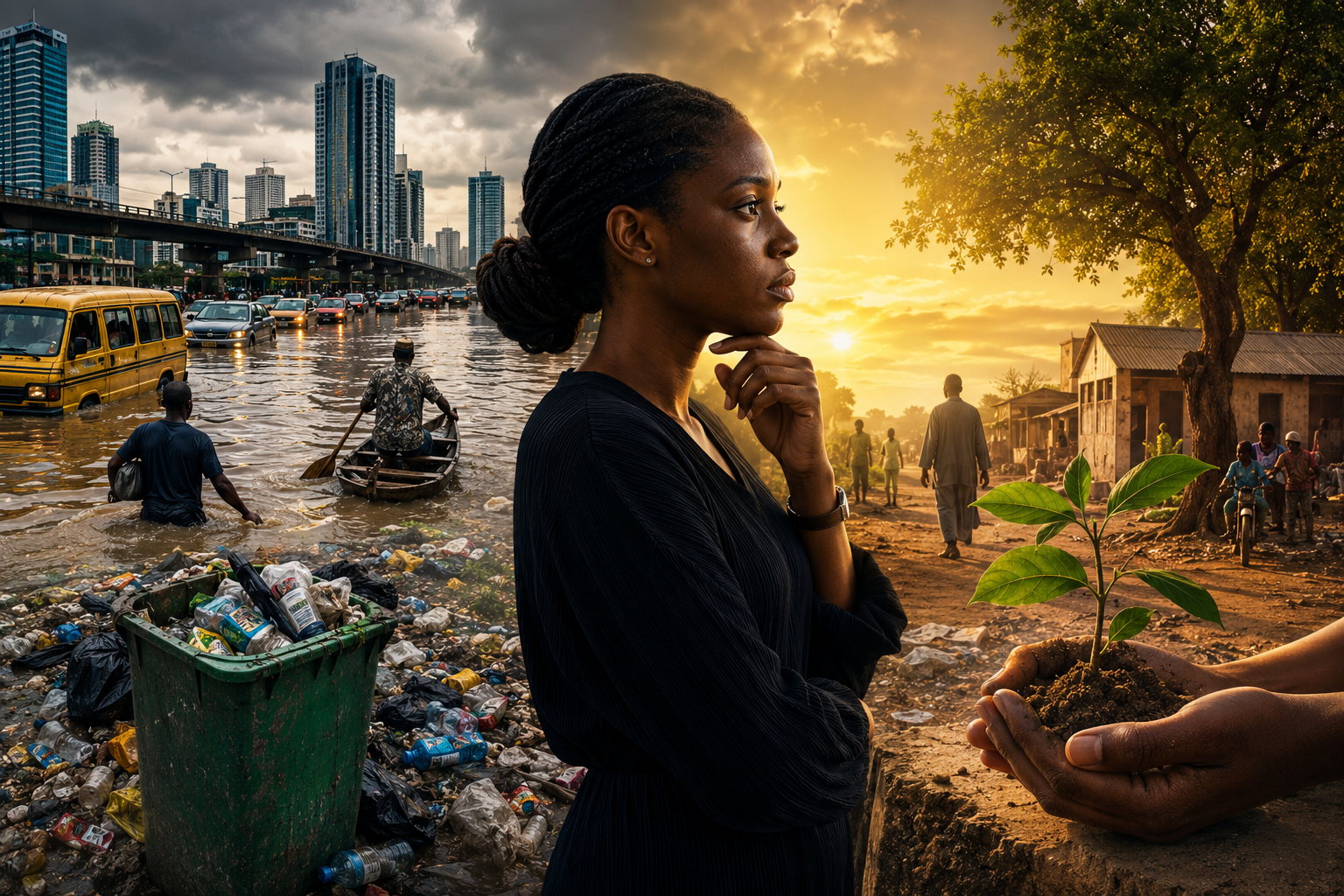
If you’ve been on X (Twitter), Instagram, or TikTok over the last 72 hours, you know that Lagos has officially rebranded as the Venice of Africa. The torrential downpours that climaxed on Sunday night, June 28, left major parts of the city—from the densely populated mainland spots like Oshodi, Mushin, and Gbagada, to the elite corridors of Lekki and Victoria Island—completely submerged.
The humor online is defensive but top-tier. People are posting videos of themselves “rowing” down flooded streets in plastic basins, while others are asking if their car insurance covers “accidental submarine transformations” after vehicles were submerged to window level. Even Murtala Muhammed International Airport’s terminal faced temporary disruptions as water found its way into critical infrastructure.
“My brother, I wanted to buy a plot of land on the Island to feel among the elite. Now the Island has come to meet me inside my parlor on the Mainland!”
But behind the laughter is a sharp, structural reality check. The Lagos State Government recently pointed out that as a low-lying coastal city, flash flooding is an inevitable geographical reality. However, the true culprit making our streets impassable isn’t just the clouds—it’s our relationship with waste.
Let’s talk about the “dirt disposal” crisis making our floods ten times worse. Every time a heavy rain starts, the standard, unfortunate routine for some residents is to empty their dustbins directly into the gutters, hoping the water will “carry it away to the lagoon.”
Well, in July 2026, the lagoon has officially sent back the receipts. Those plastic bottles, takeaway packs, and pure-water nylon bags have formed unbreakable fortresses inside our drainage channels. When the water can’t flow down, it flows up—directly into living rooms, shops, and kiosks, destroying livelihoods.
This environmental neglect has directly worsened a quieter, heartbreaking crisis: The rising wave of temporary homelessness. When an entire street in FESTAC or Adeniji Adele is knee-deep in water, families are displaced, sleeping on church benches or overcrowding the homes of relatives. It is a harsh reminder that our private habits have direct, public consequences.
But as we drain the water from our living rooms on the Mainland, our hearts are pulled violently to the North and West. The most sobering trend on our timelines this week is the deep, protective grief surrounding the recent wave of mass school abductions—climaxing with the horrific attack on June 29, where gunmen dressed in fake military fatigues breached a secondary school in Borno State while students were sitting for their NECO exams.
With dozens of children and educators still missing from multiple recent school incidents across Borno and Oyo State, the contrast on our timelines is devastating. We are watching the capital city navigate urban floods, while distant villages navigate a sea of terror.
This is where our empathy must turn into a shield. The anger online isn’t toxic; it is the righteous fury of a people who refuse to normalize the idea that getting an education should require a survival strategy. Every empty desk in those classrooms is a violation of the social contract. We must continue to speak their names, demand transparent security accountability, and refuse to let the news cycle move on.
Lessons to Carry into the Weekend
Stop the Gutter-Dumping: The rainy season is at its peak between now and September. Protect your neighborhood by disposing of your waste through official channels. A clear drain is your best flood insurance.
Support the Displaced: Look around your neighborhood this weekend. If there’s a small-scale trader whose shop was ruined by the June 28 flood, buy from them. Communal economic support is how we stay afloat.
Keep the Outrage Clean but Alive: As we monitor the search operations for our missing schoolchildren, let our digital voices remain unified. True patriotism is refusing to let the vulnerable be forgotten.
See you next Thursday—hopefully with clearer skies, drier streets, and the return of every single captive child to their parent’s arms!