







Key Points
- The World Bank and S&P Global Market Intelligence ranked Tin Can Island Port 10th and Lagos Port Complex 12th among the world’s 20 most improved container ports.
- The rankings are contained in the 2025 Container Port Performance Index (CPPI).
- The recognition follows the introduction of the Ètò Electronic Call-Up System in February 2021.
- More than 3.5 million truck movements have been processed through the digital platform.
- Average truck turnaround time has reduced to two days or less, while cargo logistics costs have fallen by an estimated 65 per cent.
- Containerised export activity increased by 464 per cent between 2020 and 2021.
Main Story
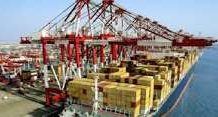
Nigeria’s two busiest seaports have earned global recognition after the World Bank and S&P Global Market Intelligence ranked Tin Can Island Port and Lagos Port Complex among the world’s 20 most improved container ports over the past five years.
According to the 2025 Container Port Performance Index (CPPI), Tin Can Island Port ranked 10th, while Lagos Port Complex (Apapa) placed 12th globally for operational improvement between 2020 and 2025.
The report highlights a significant turnaround in the performance of Nigeria’s principal maritime gateways, which until a few years ago were plagued by chronic traffic congestion, prolonged truck queues and high cargo evacuation costs.
Before 2021, trucks accessing the ports frequently formed queues stretching from Apapa to Maryland and the Cele Expressway, with drivers often waiting between two and three weeks to gain entry. The congestion pushed cargo movement costs up by as much as 450 per cent, affecting trade efficiency and increasing the cost of doing business.
The transformation began in February 2021 when TTP Limited, in partnership with the Nigerian Ports Authority>, introduced the Ètò Electronic Call-Up System to digitise and coordinate truck access into the Apapa and Tin Can port corridors.
Since its deployment, the platform has processed more than 3.5 million truck movements, restoring order to one of Africa’s busiest logistics corridors.
According to TTP, average truck turnaround time for port access and cargo evacuation has reduced to two days or less, while cargo logistics costs have fallen by an estimated 65 per cent. The company also said containerised export activities grew by 464 per cent between 2020 and 2021.
Today, the Ètò platform provides real-time truck scheduling and access management across more than 120 facilities within the Lagos port ecosystem and has maintained 100 per cent system uptime since its launch.
TTP attributed the ports’ improved performance to continuous upgrades to the platform, including export truck pre-clearance, simplified booking processes, real-time vehicle tracking, turnaround-time analytics, intelligent demand management and stronger integration with key stakeholders across the port value chain.
The company said the innovations have reduced waiting times, improved cargo evacuation, enhanced operational visibility and strengthened coordination among terminals, transport operators and other port users.
The Issues
Although the global recognition highlights significant improvements in Nigeria’s port operations, industry stakeholders say sustaining the gains will require continued investment in infrastructure, technology and inter-agency collaboration.
Experts also note that addressing road infrastructure, expanding rail connectivity, improving cargo evacuation systems and accelerating port modernisation remain critical to further enhancing Nigeria’s competitiveness within the global maritime industry.
What’s Being Said
Jama Onwubuariri
“Five years ago, Apapa and Tin Can were global examples of the cost of inefficiency. Today, they are being recognised among the world’s most improved container ports. That transformation did not happen by chance. It is the result of bold reforms, collaboration across the port ecosystem, and the deployment of technology that has brought transparency, discipline and predictability to truck and cargo movement.”
Jama Onwubuariri
“The World Bank ranking validates what stakeholders have experienced on the ground since the introduction of Ètò. More efficient truck scheduling means faster cargo evacuation, improved terminal productivity, lower logistics costs and a more competitive maritime sector.”
What’s Next
TTP said it plans to continue enhancing the Ètò platform by deploying more intelligent mobility solutions to improve trade facilitation beyond Nigeria’s ports.
The company also intends to expand its technology-driven solutions across logistics corridors and border crossings in Africa, leveraging lessons from the Apapa and Tin Can transformation to support regional trade efficiency.
Bottom Line
The recognition of Tin Can Island Port and Lagos Port Complex among the world’s most improved container ports marks a major milestone for Nigeria’s maritime sector, demonstrating how digital innovation and coordinated reforms can improve port efficiency, reduce logistics costs and strengthen the country’s position in global trade.