









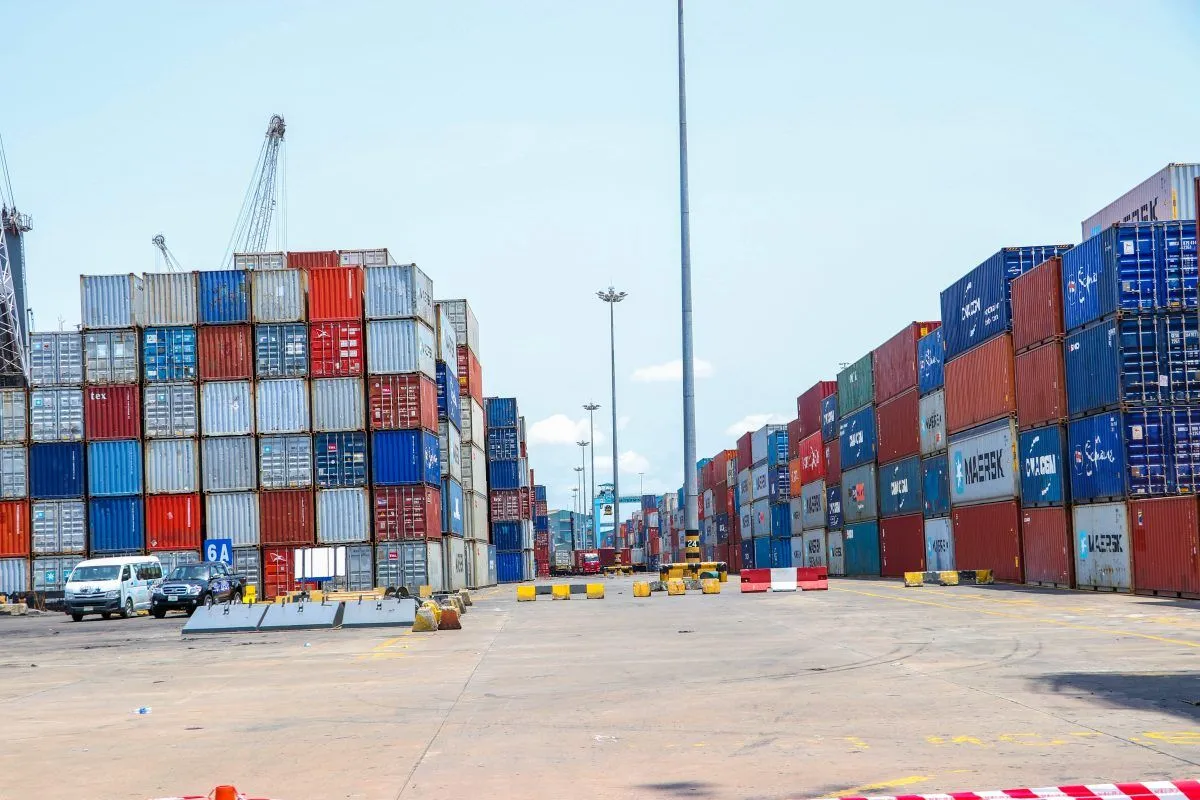
Key points
- The Nigerian Ports Authority announced that Apapa and Tin Can ports have placed among the top 20 most improved ports globally.
- The recognition comes from the World Bank’s Container Port Performance Index, marking a historic first for the country.
- Officials linked the achievement to widespread port reforms, digital tracking, automation, and a drop in red tape.
- Shorter ship turnaround times have helped lower shipping costs and bring back international freight companies.
- Port improvements have supported wider economic growth, contributing to a ₦7.54 trillion national trade surplus.
Main Story
The Nigerian Ports Authority (NPA) has secured major global recognition after the Apapa and Tin Can Island ports were ranked among the world’s top 20 most improved ports. Managing Director of the NPA, Dr. Abubakar Dantsoho, shared the development, reacting to the latest World Bank Container Port Performance Index (CPPI).
Dantsoho described the ranking as a historic breakthrough, noting that this is the first time Nigerian maritime gateways have ever broken into this global efficiency improvement category. The index tracks how quickly ships can pull into a port, offload, and depart without unnecessary delays.
For decades, both Apapa and Tin Can struggled with bad reputations fueled by intense cargo congestion, endless truck traffic gridlock, and slow, manual cargo inspections. These systemic bottlenecks inflated business costs and drove major international shipping lines to abandon Nigeria for neighboring West African ports.
The new global ranking confirms that recent changes have successfully turned the situation around. The NPA chief credited this shift to deep operational reforms, digital tracking tools, automation, and a major reduction in administrative red tape across nationwide port facilities.
These improvements are also having a positive ripple effect on the wider economy. Faster ship turnaround times have slashed logistics costs, speeded up local cargo deliveries, and restored the confidence of global shipping firms. According to the NPA, these streamlined operations have directly supported the country’s trade balances, helping generate a ₦7.54 trillion national trade surplus recently reported by the National Bureau of Statistics (NBS).
Looking ahead, port authorities say the next big step is keeping these improvements going to transition the locations from being just the “most improved” to ranking among the absolute most efficient ports in the world.
The Issues
- Keeping the ports running smoothly to maintain these global gains without letting cargo congestion build back up.
- Upgrading surrounding roads and transport links to permanently prevent truck gridlock outside the port gates.
- Transitioning completely from old paperwork systems to full digital automation across all remaining port agencies.
What’s Being Said
- Celebrating the turning point for local shipping, NPA Managing Director Dr. Abubakar Dantsoho stated: “For years, Apapa and Tin Can suffered reputational damage from congestion, truck gridlock and manual cargo clearance,” adding that faster vessel turnaround now cuts logistics costs and restores shipping firms’ confidence.
- Looking toward future goals for the maritime sector, Dantsoho added: “The recognition will strengthen investor confidence in Nigeria’s maritime sector globally. The next challenge is sustaining improvements to achieve higher future rankings.”
What’s Next
- Port engineers and technology teams will expand automation tools to eliminate any remaining manual cargo checking.
- The Ministry of Marine and Blue Economy will review current infrastructure investments to support ongoing modernization at the docks.
- Trade officials will launch new marketing campaigns aimed at winning back international shipping lines that migrated to neighboring countries.
Bottom Line
Nigeria’s Apapa and Tin Can ports have broken into the world’s top 20 most improved ports on the World Bank index, using automation and reform to cut ship delays and boost the maritime sector’s contribution to the nation’s ₦7.54 trillion trade surplus.





 has secured major global recognition after the Apapa and Tin Can Island ports were ranked ...)