Key points
- CAWIN Mobility and partners plan to build 10 solar-powered electric vehicle charging stations across Nigeria.
- The project also includes the deployment of more than 500 electric vehicles for commercial operations in Abuja.
- Partners signed agreements covering charging infrastructure, ride-hailing fleets and a technical training centre.
- The initiative aims to support Nigeria’s transition to cleaner transportation and develop local EV expertise.
Main story
CAWIN Mobility, in partnership with Blue Camel Energy and Joint Sustainable Energy, has unveiled plans to develop 10 solar-powered electric vehicle (EV) charging stations across Nigeria and deploy more than 500 electric vehicles for commercial operations in Abuja.
The announcement was made during the Abuja Electric Vehicle Ecosystem Strategic Partnership and Asset Handover Ceremony in Abuja.
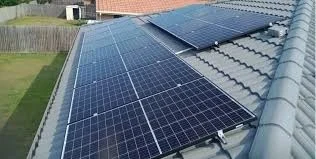
As part of the initiative, the three companies signed a Memorandum of Understanding to jointly develop the charging stations, which will combine solar energy, grid electricity and battery storage systems to provide uninterrupted 24-hour charging services.
The event also featured agreements covering the deployment of between 400 and 500 electric vehicles for ride-hailing services, the development of Nigeria’s pilot electric vehicle charging station and the establishment of the Abuja Electric Vehicle Technical Excellence Centre.
CAWIN Mobility said it intends to expand the charging network to 30 stations nationwide in the near future, describing the target as achievable given ongoing investments in Nigeria’s electric mobility ecosystem.
Speaking at the event, the Managing Director and Chief Executive Officer of CAWIN Mobility, Wayne Ji, said electrifying Nigeria’s public transport system could generate significant economic and environmental benefits.
He estimated that widespread adoption of electric public transport could save about $3.5 billion annually in fuel costs, reduce carbon emissions by nine million tonnes each year and increase drivers’ annual earnings by as much as $2,000.
Ji described the deployment of 500 electric vehicles and the establishment of the Abuja Electric Vehicle Technical Excellence Centre as the beginning of a new phase for Nigeria’s electric mobility industry.
He said the first phase of the project includes the country’s pilot electric vehicle charging station, stressing that reliable charging infrastructure remains essential for the growth of the sector.
To encourage wider adoption, Ji announced a hire-purchase, or rent-to-buy, financing model that would allow ride-hailing drivers to acquire electric vehicles through flexible payment arrangements.
The company also introduced a digital fleet management platform integrating driver recruitment, vehicle monitoring, charging management, risk control and asset protection to improve fleet operations.
Ji added that CAWIN Mobility’s nationwide programme launched in September 2025 to provide free electric vehicle maintenance training to 2,000 Nigerian youths was helping to build local technical capacity and support the development of a sustainable EV industry.
CAWIN Power Mobility’s Umar Uba Abubakar said the Abuja Electric Vehicle Technical Excellence Centre would provide technical training, certification programmes, battery technology courses, charging infrastructure training, high-voltage safety education and research to develop skilled professionals for the industry.
The Chief Executive Officer of Blue Camel Energy, Yusuf Suleiman, said the pilot charging station would serve as the foundation for 10 hybrid charging stations across Abuja, Lagos, Port Harcourt, Kano, Kaduna and Gombe.
He said the project was intended to accelerate Nigeria’s transition to electric mobility while promoting technology transfer, job creation and clean energy development.
The Managing Director and Chief Executive Officer of the Rural Electrification Agency, Abubakar Aliyu, also reaffirmed the Federal Government’s commitment to expanding renewable energy infrastructure.
The issues
Nigeria is seeking to accelerate the adoption of electric vehicles as part of broader efforts to reduce fuel consumption, lower carbon emissions and expand renewable energy use. However, the growth of the sector depends heavily on charging infrastructure, financing options, technical expertise and supporting policies.
What’s being said
“Electrifying public transport in Nigeria can save $3.5bn annually in fuel costs, reduce carbon emissions by nine million tonnes per year, and increase drivers’ incomes by up to $2,000 annually.” — Wayne Ji, Managing Director and CEO, CAWIN Mobility
“We are announcing the commencement of the development of our first pilot EV charging station, which represents the first step towards building a nationwide charging network.” — Yusuf Suleiman, CEO, Blue Camel Energy
What’s next
The partners will begin developing the pilot charging station and deploy the first batch of electric vehicles while expanding technical training and preparing for a nationwide charging network.
Bottom line
The initiative combines charging infrastructure, vehicle deployment, technical training and financing to lay the foundation for a larger electric mobility ecosystem in Nigeria.