







Key points
- Governor Dikko Radda inaugurated 152 housing units for internally displaced persons (IDPs) in the Jibia Local Government Area of Katsina State.
- The housing estate was built under the North-West Development Facility Project in partnership with the United Nations Development Programme (UNDP).
- Beneficiaries received safe shelter alongside household relief materials, food supplies, and targeted financial assistance to restart their lives.
- The intervention features critical infrastructure, including a Climate Hub Enterprise Centre, a solar-powered mini-grid, and livestock market upgrades.
- UNDP Resident Representative Elsie Attafuah commended the state’s counterpart funding and ownership in advancing regional peacebuilding and recovery.
Main Story
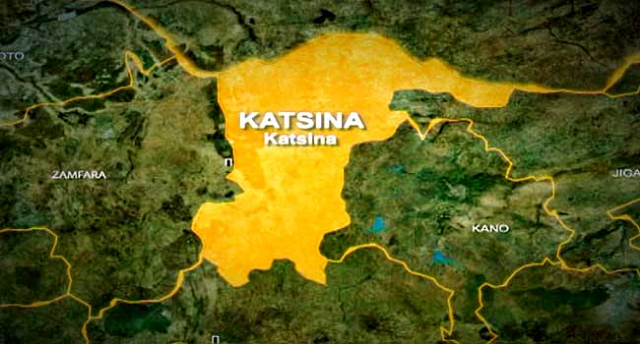
Governor Dikko Radda of Katsina State has inaugurated 152 housing units designed for internally displaced persons (IDPs) in the Jibia Local Government Area (LGA) of the state.
Speaking during the official inauguration ceremony on Thursday, the governor described the resettlement project as a major step toward restoring human dignity and rebuilding lives that have been severely disrupted by persistent regional insecurity.
The newly established housing estate was constructed under the umbrella of the North-West Development Facility Project, driven by a strategic partnership between the Katsina State Government, the United Nations Development Programme (UNDP), and various international development partners.
Designed to deliver safe shelter and sustainable livelihoods for families displaced by years of armed conflict and communal violence, the intervention offers comprehensive welfare support. Governor Radda disclosed that beneficiaries will not only receive the physical houses but are also being equipped with vital support items including mattresses, mats, blankets, cooking utensils, soap, and bags of rice, while designated vulnerable households will receive direct financial assistance to help them restart their economic lives.
The governor noted that the project forms part of a broader provincial strategy aimed at promoting human security, accelerating economic recovery, and fostering long-term community resilience across conflict-affected zones in the state. To ensure economic sustainability, the estate incorporates a Climate Hub Enterprise Centre, a solar-powered mini-grid, a veterinary clinic, market stalls, lock-up shops, rehabilitated cattle loading facilities, and solar electrification for the local cattle market.
This is supplemented by agricultural inputs for both dry and rainy season farming, alongside micro-grants for nano and small-scale enterprises. The Katsina State Government complemented the UNDP’s intervention by allocating the development land, building perimeter fencing, a worship center, street lighting, and clean portable water facilities.
Governor Radda attributed the successful rollout of the initiative to substantially improved security conditions brought about by community-based peacebuilding efforts and targeted state investments in advanced equipment for law enforcement agencies. He reported that the security landscape in Jibia has improved significantly, with zero deliberate attacks or kidnappings recorded recently, enabling local farmers to safely return to their fields, markets to reopen, and children to return to classrooms.
In her remarks, the UNDP Resident Representative in Nigeria, Elsie Attafuah, commended the state’s political commitment, noting that international support, including funding from Germany—would not have achieved such a deep impact without the substantial counterpart funding and local ownership demonstrated by the Katsina government across its housing, peacebuilding, and stabilization programs in the Jibia, Batsari, and Faskari LGAs.
The Issues
- Maintaining the current zero-attack security momentum to protect returning IDP families and newly installed public infrastructure.
- Scaling up micro-enterprise grants and agricultural support to transition displaced populations completely away from aid dependency.
- Replicating the integrated climate-resilient community model across other hard-hit local government areas like Batsari and Faskari.
What’s Being Said
- Emphasizing the holistic nature of the resettlement package, Governor Dikko Radda stated: “Beneficiaries will not only receive houses but also support items such as mattresses, mats, blankets, cooking utensils, soap and bags of rice, while some households would benefit from financial assistance to help them restart their lives,”.
- Commending the sub-national execution of the project, UNDP Resident Representative in Nigeria Elsie Attafuah noted that German support alone would not have achieved the impact without the substantial contributions and ownership demonstrated by the state government in implementing housing, peacebuilding and stabilisation programmes.
- Expressing the appreciation of the host community, the Chairman of Jibia LGA, Surajo Ado, described the project as a milestone to promote sustainable development, adding that the projects would go a long way in supporting displaced families and strengthening socio-economic recovery in the local government area.
What’s Next
- Beneficiary families will formally move into the 152 housing units and begin receiving their household setup items and financial grants.
- Technical operators will activate the solar-powered mini-grid and open the Climate Hub Enterprise Centre for local businesses.
- The Katsina State Government and the UNDP will continue their joint stabilization and recovery operations across neighboring Batsari and Faskari LGAs.
Bottom Line
Through a collaborative partnership backed by the UNDP and state counterpart funding, Katsina State has delivered 152 fully serviced, solar-powered housing units in Jibia LGA to safely resettle displaced families and restore commercial agriculture to the recovering border community.

 ...)